
DPD RI Papua Special Committee to Oversee Resolution of Conflict and Human Rights Violations
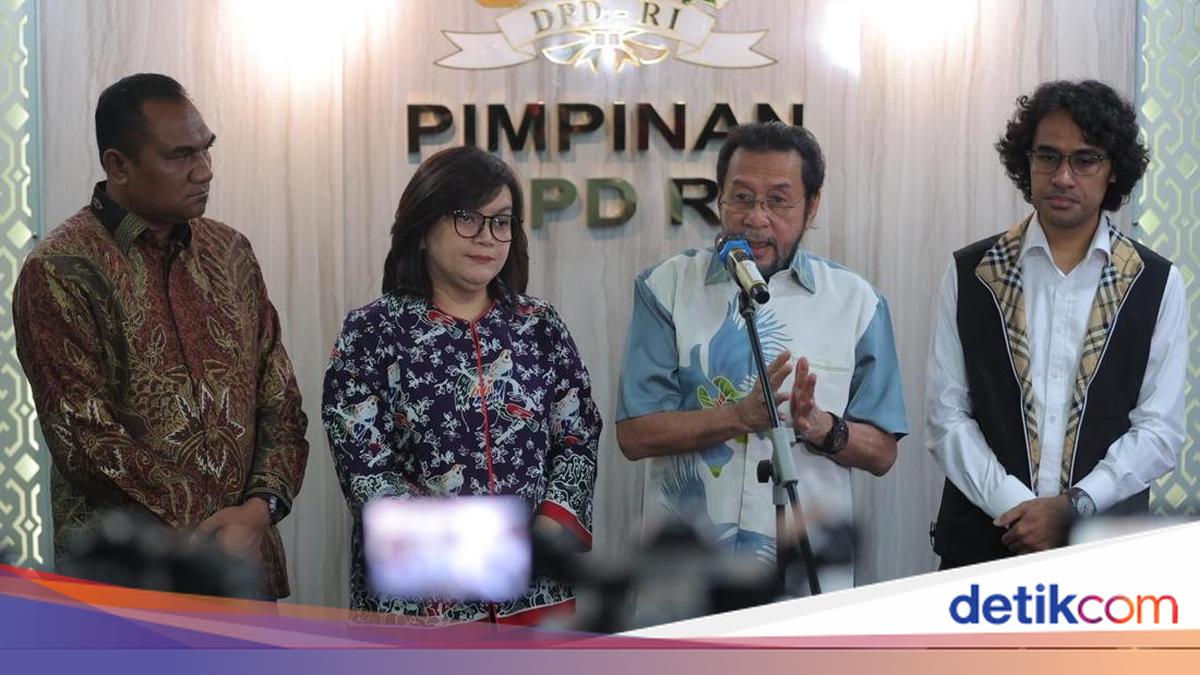
The Papua Special Committee (Pulses) of the DPD RI has emphasised its commitment to overseeing the resolution of security conflicts and humanitarian issues in Papua in an objective, comprehensive, and equitable manner. These efforts include ensuring that the resolution of human rights violations provides a tangible impact for victims and their families.
The DPD RI Papua Special Committee noted that the resolution of human rights issues in Papua has legal legitimacy through Presidential Decree (Keppres) Number 17 of 2022 regarding the Formation of the Non-Judicial Team for the Settlement of Past Gross Human Rights Violations, which was further implemented through Presidential Instruction (Inpres) Number 2 of 2023.
These regulations include several past gross human rights violation events, such as the Wasior 2001, Wamena 2003, and Paniai 2014 incidents, with an orientation towards the restoration of rights for victims or their heirs.
The Chairman of the DPD RI Papua Special Committee, Yorrys Raweyai, asserted that human rights issues in Papua must not stop at the level of discourse and norms. According to him, the state must ensure that the policies established truly deliver justice for the victims.
“Human rights issues in Papua must not end with reports and rhetoric. The state must be present to ensure that victims receive restoration, legal certainty, and guarantees that similar events do not recur,” he stated in a written statement on Thursday (3/9/2026).
In addition to past human rights cases, he also highlighted various current events suspected of containing human rights violations. Ongoing security conflicts in several regions of Papua have impacted civilian populations, including causing fatalities and displacing thousands of residents.
“Every victim must be heard, and every event suspected of containing human rights violations must be investigated seriously and thoroughly. We must not allow ongoing conflicts to turn the suffering of civilians into mere statistics,” he said.
Involving All Parties
In carrying out its duties, the DPD RI Papua Special Committee will work systematically by involving various stakeholders, including central and regional governments, non-governmental organisations, and customary institutions as cultural and regional representatives of the Papuan people.
In its next work agenda, the committee will invite the central government, specifically relevant ministries and agencies, including those overseeing politics and security, law and human rights, the TNI Commander, the National Police, and the Ministry of Home Affairs.
Local governments will also be involved to provide a realistic picture of the security and humanitarian conditions in conflict-affected areas.
From the community sector, the committee will listen to the views of religious, youth, and women’s representatives, as well as indigenous communities and social organisations that have long focused on human rights and security issues in Papua.
“The Papua Special Committee does not wish to draw conclusions from behind a desk. We will listen directly to the voices of victims, indigenous peoples, religious leaders, local governments, human rights activists, and all elements of Papuan society so that the resulting recommendations are truly based on field conditions,” he said.
He added that involving various parties is necessary so that the committee’s recommendations are not based solely on administrative reports but reflect the real conditions and aspirations of people at the grassroots level.
Development Must Not Sacrifice Community Rights
The DPD RI Papua Special Committee also highlighted broader human rights issues, including the impact of armed conflict on civilians, internal displacement, agrarian conflicts, indigenous rights to customary land, and the social impact of National Strategic Programmes (PSN) in several regions of Papua.
Raweyai assessed that while national development is a necessity, its implementation must not sacrifice the fundamental rights of indigenous peoples or create new problems.
“Development is important, but it must not be paid for with the loss of indigenous rights. Papua’s progress must go hand in hand with respect for human rights and the protection of community rights,” he emphasised.
Furthermore, the committee views it as vital to maintain a balance between efforts to uphold the integrity of the Unitary State of the Republic of Indonesia (NKRI) and the respect for human rights. Security and welfare approaches, according to Raweyai, must run in parallel and not negate one another.
Field Visits to Regions
Moving forward, the DPD RI Papua Special Committee plans to conduct working visits to several regions in Papua directly affected by security and humanitarian conflicts. These visits are intended to gather information from all layers of society and obtain direct data and documentation from the field. Areas of focus include Central Papua and Southwest Papua, which are affected by security conflicts, as well as South Papua, regarding the dynamics of development and the implementation of national strategic projects.
He ensured that the work of the committee will not merely remain as notes, but will become concrete recommendations for the government to follow up.
“We want the results of the Papua Special Committee’s work to be more than just notes on paper. The recommendations must be concrete, implementable, and truly felt by the people of Papua,” he concluded.
Source: jawawa.id (https://jawawa.id/newsitem/dpd-ri-papua-special-committee-to-oversee-resolution-of-conflict-and-human-rights-violations-1788426345)
Originally published by detikcom (https://news.detik.com/berita/d-8646800/pansus-papua-dpd-ri-kawal-penyelesaian-konflik-dan-pelanggaran-ham), translated from Indonesian