
DPD RI notes five obstacles in implementing Free Nutritious Meal Programme in West Papua
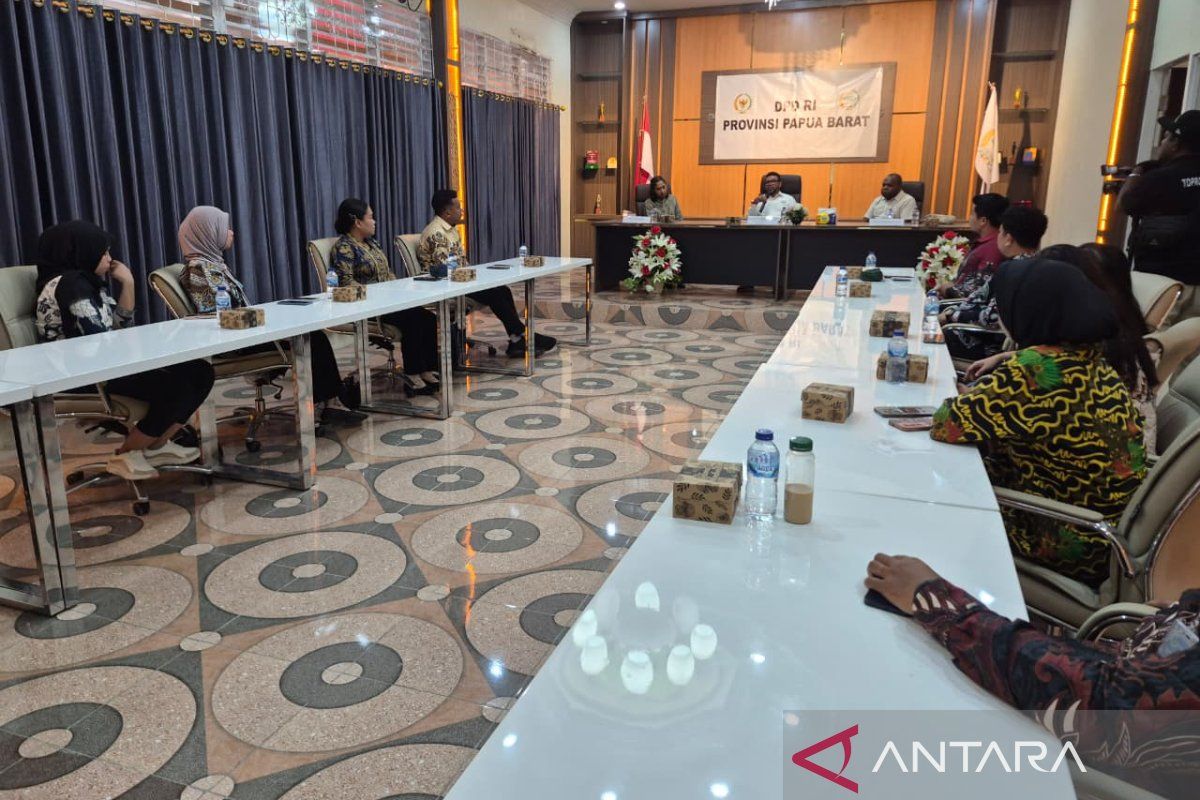
The Committee III of the DPD RI has noted approximately five primary obstacles in the implementation of the Free Nutritious Meal (MBG) Programme in West Papua Province, which require evaluation by the National Nutrition Agency (BGN) to optimise the programme’s delivery.
Speaking in Manokwari on Friday, the Chairman of Committee III DPD RI, Filep Wamaf_ma, stated that the governance of the MBG programme needs immediate improvement to ensure it provides a positive impact on the community, particularly for students and vulnerable groups. He emphasised that regional issues will be raised at the national level to refine one of President Prabowo’s priority programmes.
The first issue identified is the discrepancy in National Identity Number (NIK) data for students proposed by the Nutrition Fulfilment Service Units (SPPG) as beneficiaries. Wamafma suggested that ministries and agencies must collaborate with the BGN to ensure accurate data and prevent the emergence of fictitious beneficiaries.
Secondly, the number of SPPG kitchens distributed across seven regencies is currently insufficient to reach all students and the ‘3B’ group (pregnant women, breastfeeding mothers, and toddlers). Thirdly, high local price indices are impacting the cost of procurement and the distribution of food supplies. The BGN needs to consider adding more SPPG kitchens in underdeveloped, frontier, and outermost (3T) areas across West Papua, as there are currently only 16 kitchens serving approximately 7,177 beneficiaries. Wamafma noted that procurement costs that do not account for the high cost of living in Papua directly affect the quality of the meals provided.
The fourth issue concerns operational hours at SPPG kitchens, which have reportedly exceeded labour regulations, with kitchens operating through Saturdays and Sundays to meet demands. Finally, the responsibility for daily budget accountability for raw material procurement is being placed on the SPPG units, despite these activities being carried out by established partners. Wamafma intends to discuss these responsibilities with the Head of the BGN to clarify the roles and functions of both SPPGs and their partners.
Erika Vionita Werinussa, the BGN Regional Coordinator for West Papua, explained that the price index varies across the seven regencies. For instance, while Manokwari stands at Rp13,000 and can source vegetables from the Arfak Mountains, other regencies such as Kaimana, Teluk Wondama, Teluk Bintuni, and Fakfak face averages of Rp14,000 to Rp16,000. These areas struggle to meet daily raw material demands as supplies must be brought in from outside the region, such as chicken, which is sourced from outside West Papua. She suggested that an average price index of Rp20,000 is necessary to address these regional difficulties. Furthermore, Werinussa acknowledged the challenges in coordinating with local governments regarding the student data required for the programme’s beneficiaries.