
DPD RI Chair Calls for Evaluation of Regional Transfer Efficiency Amid PPPK Budget Crisis
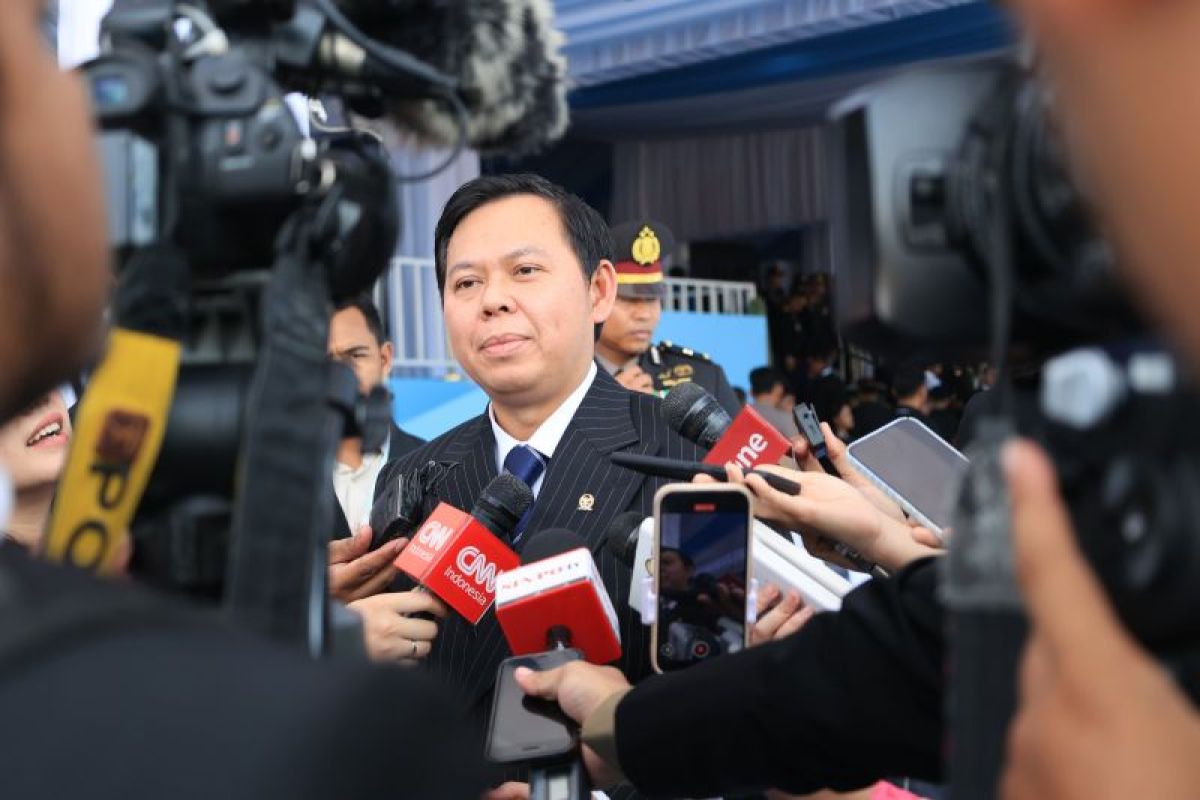
The Speaker of the Regional Representative Council (DPD RI), Sultan Baktiar Najamudin, has requested that the government evaluate the effectiveness of its efficiency policy for regional transfer funds (TKD) following the emergence of issues affecting thousands of government employees with work agreements (PPPK) who are threatened by regional budget constraints. “Not all regions have the ability to finance this because PPPK positions depend not only on regional proposals but also on regional financial capacity. However, because of the efficiency measures and cuts to central government transfers to the regions, this requires special attention from the government,” Sultan said via an electronic message received in Bengkulu on Wednesday. He was responding to the situation in Tidore Islands City, North Maluku, where thousands of PPPK workers are potentially affected by budget limitations. Sultan noted that each region has a different financial capacity to meet employee expenditure needs, while the budget efficiency policy and adjustments to transfers have added pressure to regional finances. He stressed that the issue requires a swift solution so that regional administrations can continue to function without disruption due to budget constraints for paying PPPK salaries. Sultan expressed hope that the evaluation would find the right formulation for the regional transfer scheme to provide a solution for regions experiencing fiscal pressure. Meanwhile, Chair of DPD RI Committee III, Filep Wamafma, stated that the DPD RI has coordinated with the government regarding the matter, and there is a commitment to review the central-to-regional transfer policy as part of efforts to find a solution to the PPPK issue. Previously, the Director General of Fiscal Balance at the Ministry of Finance, Askolani, stated that the government would evaluate and provide more support for state civil apparatus in the regions through additional TKD allocations in the 2026 State Budget. “We can push further in 2026 to fill the shortfall in potential PPPK spending in several regional governments that we have been monitoring,” Askolani said.