
DPD RI: Archipelagic Regions Bill a Solution for Equitable Island Development
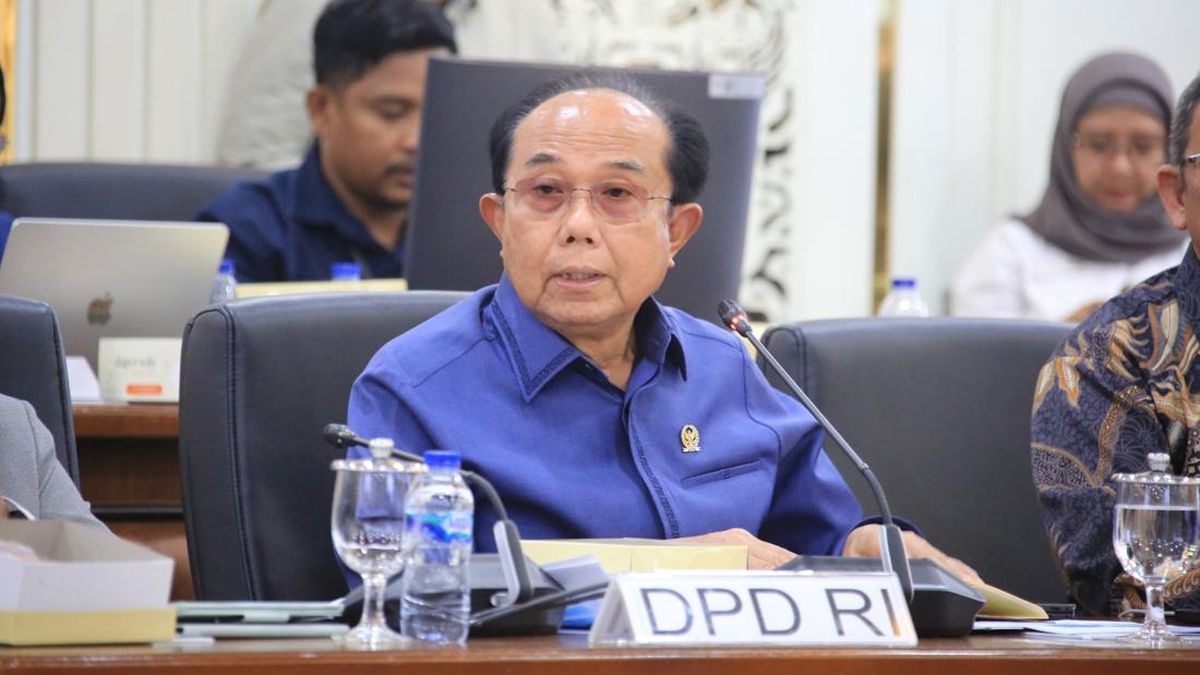
The Regional Representative Council (DPD RI) has stated that the Archipelagic Regions Bill (RUU Daerah Kepulauan) is intended as a solution for the development of archipelagic regions, not as a means to grant special privileges to certain areas. Instead, it aims to introduce affirmative policies to ensure these regions receive equal development opportunities.
Andi Sofyan Hasdam, Chair of the DPD RI Archipelagic Regions Bill Working Team, said the regulation is expected to strengthen governance, public services, connectivity, and the management of regional potential, as well as funding schemes suited to the characteristics of archipelagic areas. The urgency of the bill is underscored by the fact that approximately 28.5 million people live in ten archipelagic provinces, with around 3.7 million still living in poverty.
“It is time we transform the strategic potential of archipelagic regions into a real contribution to the nation’s progress,” Andi Sofyan said in an official statement. He noted that despite Indonesia being the world’s largest archipelagic state, millions living on small and outermost islands continue to face development inequality, including limited access to education, healthcare, connectivity, and suboptimal utilisation of marine potential.
Departing from these conditions, the DPD RI is advocating for the bill as a new foundation for a fairer national development model that aligns with Indonesia’s geographical character. The effort has now entered a crucial phase, with the DPD RI Working Team participating in a series of Hearing Meetings (RDP) with the House of Representatives’ Special Committee, alongside the Ministry of Home Affairs, Ministry of Defence, Ministry of Marine Affairs and Fisheries, and Ministry of Foreign Affairs. The cross-ministerial discussions aim to strengthen the bill’s substance to comprehensively address issues ranging from governance and fiscal justice to the strengthening of national defence and sovereignty.
Andi Sofyan asserted that the bill is an effort to correct a national development paradigm that has historically been oriented towards land territories. “We have acknowledged since the Djuanda Declaration that Indonesia is an archipelagic state, yet our orientation has remained land-based,” the Senator from East Kalimantan said.
Meanwhile, R. Graal Taliawo, Deputy Chair of the Working Team, stated that the bill was born from the need to establish a development paradigm that views Indonesia as an archipelagic nation with diverse regional characteristics. The Senator from North Maluku emphasised that the primary spirit of the bill is not to make regions more dependent on the central government, but to strengthen their capacity to manage their own potential, particularly in the marine and fisheries sectors. “This bill is about maximising existing potential. We should not think of it as a way for regions to beg from the central government,” he said.
Graal Taliawo also stressed that the development of archipelagic regions is inseparable from the nation’s strategic interests, noting that prosperous border areas will serve as the front line in safeguarding Indonesia’s sovereignty and strengthening its position as a maritime nation. The DPD RI hopes the deliberation of the Archipelagic Regions Bill can be concluded swiftly to provide a legal foundation for accelerating equitable development, enhancing the competitiveness of archipelagic regions, and affirming Indonesia’s identity as an archipelagic state capable of managing its maritime potential fairly and sustainably.