
DPD Group Leader in the MPR Questions MBG and Free Education Budgets
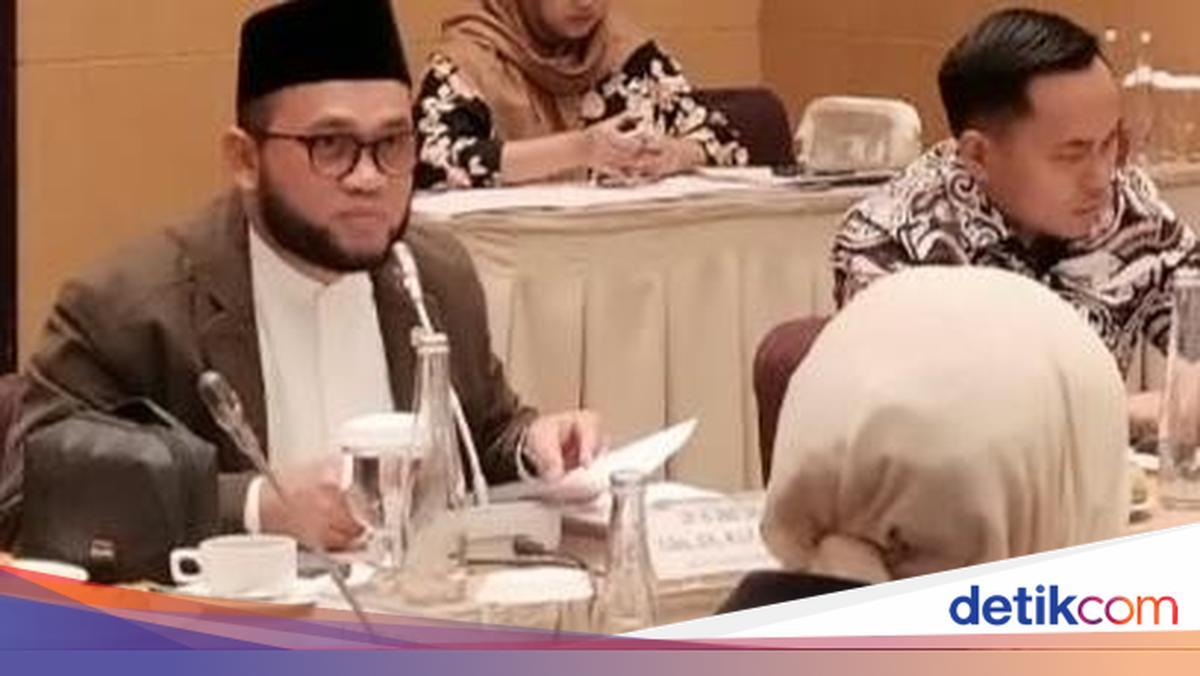
Dr Dedi Iskandar Batubara, head of the Regional Representative Council (DPD RI) group in the People’s Consultative Assembly (MPR RI), said the idea of free education was a noble one and reflected Indonesia’s national goal of educating its young people. He said it would also give practical effect to Article 31 of the 1945 Constitution.
Although the state budget (APBN) allocates 20 per cent of spending to education, Dedi said the funding was not enough to fulfil the constitutional mandate in full. The state was not yet able to make education entirely free, he said, because operating costs remained high.
“If the state can allocate Rp1 trillion a day to the Free Nutritious Meals (MBG) programme, in my view it should also be able to fund education,” Dedi said in a written statement on Thursday (5 November 2026).
He said expert estimates put the cost of educating a primary school pupil at about Rp4 million a year, or Rp24 million over six years. The corresponding estimated costs for each pupil at junior and senior secondary or vocational school were around Rp12 million.
“The current problem lies in regulations that do not yet provide enough scope for our education system, both in ensuring fairness of access between people in Java and outside Java and in providing equal opportunities to attend the best schools,” he said.
The DPD believes the government should first address disparities in education infrastructure between Java and other regions. This must also include ensuring an equitable distribution of teachers with comparable capabilities across the country.
Alongside physical infrastructure, Dedi highlighted the inadequate implementation of regulations, citing corruption by some bureaucrats. He said regulations needed further development to provide a robust legal framework that responded to needs on the ground.
At university level, financial barriers—including tuition fees, practical course costs, accommodation and books—continue to restrict access for people from low-income families. As a result, opportunities that are formally open to all are not necessarily enjoyed equally.
“Economic barriers need attention, because a person’s academic ability does not always correspond to their family’s financial means,” he added.
Dedi welcomed President Prabowo Subianto’s proposal to waive fees for state education institutions from primary school through university. However, he stressed that the idea required comprehensive discussion of the programme’s design, the costs it would cover and its funding arrangements.
He added that free higher education should not be understood solely as waiving the Single Tuition Fee (UKT). The government should also assess other associated costs and ensure fairness for students in disadvantaged, frontier and outermost regions (3T).
The need for such a policy is underscored by Indonesia’s gross tertiary enrolment ratio, which stood at about 32 per cent in 2024. Celios estimates that providing free higher education would require around Rp91.8 trillion a year.
Initiatives by regional governments, including the Gratispol programme in East Kalimantan, which waives UKT for new students, could provide important lessons.
“This regional experience is an important point of reference for formulating policy at national level,” Dedi concluded.
Source: jawawa.id (https://jawawa.id/newsitem/dpd-group-leader-in-the-mpr-questions-mbg-and-free-education-budgets-1793893929)
Originally published by detikcom (https://news.detik.com/berita/d-8740452/ketua-kelompok-dpd-di-mpr-soroti-anggaran-mbg-dan-pendidikan-gratis), translated from Indonesian