
Dozens of Ships Covertly Transit Strait of Hormuz with US Military Assistance
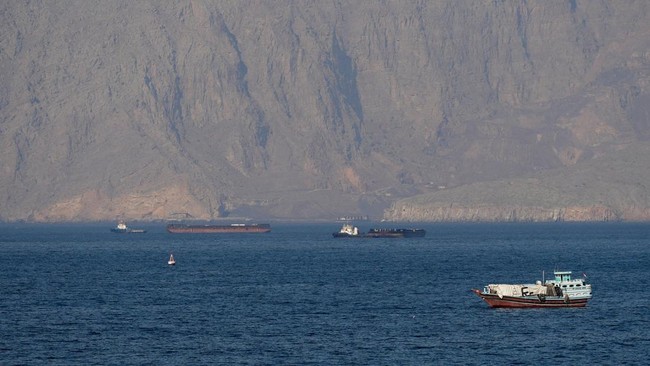
Nearly 40 vessels previously stranded in the Persian Gulf have successfully exited through the Strait of Hormuz over the past three weeks. The breakthrough came after ship operators covertly coordinated with the United States Navy, according to Lloyd’s List Intelligence data.
Lloyd’s List Editor-in-Chief Richard Meade stated that a number of shipowners submitted their voyage plans to the Bahrain-based Naval Cooperation and Guidance for Shipping (NCAGS) group. The coordination was undertaken to enhance vessel security while transiting one of the world’s most strategic shipping lanes.
“The decision to transit remains entirely in the hands of the ship operator. Industry operators tell us they were not centrally coordinated,” Meade said during a briefing on Thursday.
Meade explained there is an assumption within the industry that the US Navy provides limited assurance to help address potential threats to commercial ships passing through the Strait of Hormuz. However, a US defence official stressed to CNBC International that the US military does not conduct direct escorts of merchant vessels.
According to the official, US forces merely communicate and coordinate with ships wishing to transit Hormuz safely and freely. Nonetheless, shipping traffic through the strait remains far below normal levels prior to the outbreak of conflict.
Lloyd’s List data shows shipping activity through the Strait of Hormuz plummeted to its lowest point during the Iran conflict last May. The situation prompted President Donald Trump’s administration to launch a short-term US Navy mission called Project Freedom to help facilitate the flow of ships trapped in the Persian Gulf.
In early May, however, Trump abruptly terminated the programme. Consequently, ships remaining in the Gulf region faced high risks, both from attacks by Iranian forces and potential US sanctions if they cooperated with Tehran to obtain transit permits.
Tensions around the Strait of Hormuz escalated again this week following clashes between US and Iranian forces. The incident triggered a surge in global oil prices as investors worried that the ceasefire would collapse and ignite a wider war.
The Strait of Hormuz is a vital global energy trade conduit connecting the Persian Gulf with the Arabian Sea. Disruption to shipping in this region has the potential to impact global oil supplies and drive energy price volatility in international markets.