
Dozens of Hectares of Rice Fields in Bogor Hit by Drought, Threatening Crop Failure
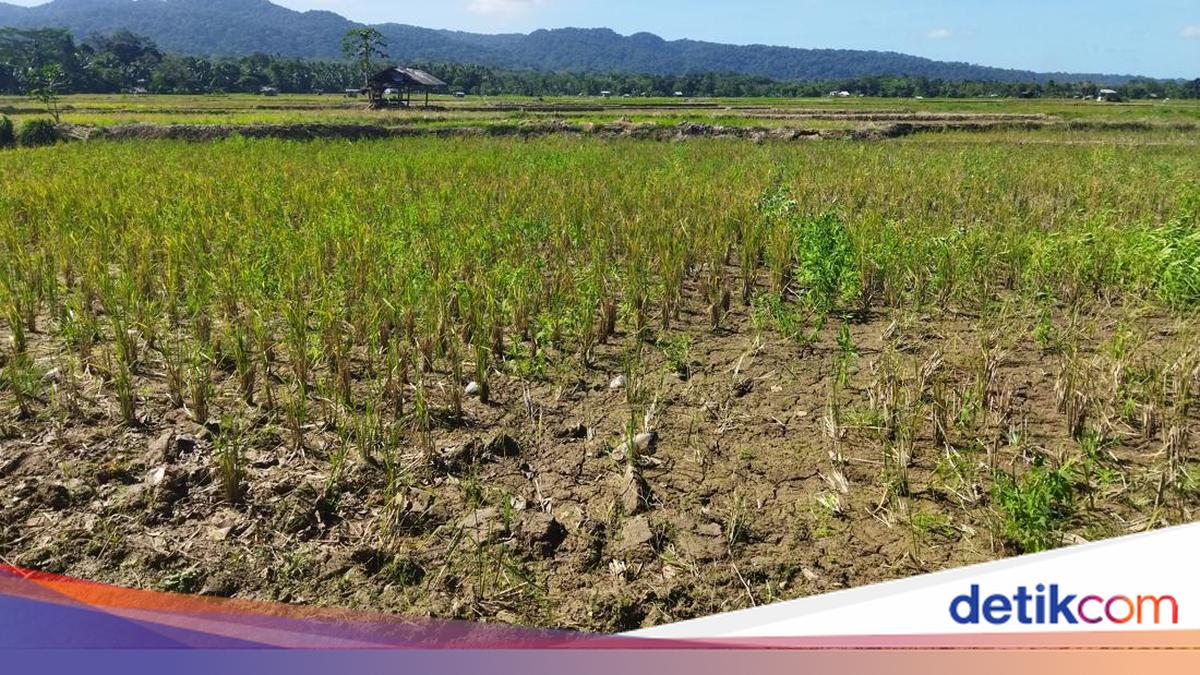
A prolonged dry season is impacting agricultural lands in the Jonggol District, Bogor, West Java. During the previous month, 38.1 hectares of rice fields experienced drought.
“As of August 2026, approximately 38.1 hectares of rice fields have experienced severe drought leading to crop failure (puso),” said the Head of the Bogor Regency Agriculture, Fisheries, and Livestock Office, Entis Sutisna, on Friday (4/9/2026).
Based on collected data, around 701.30 hectares of rain-fed rice fields in the Jonggol District could not be planted due to the lack of rainfall, according to reports from last July.
“Additionally, about 40.30 hectares of irrigated rice fields are experiencing drought due to reduced water flow and damage to the irrigation network. Between 7-15 July 2026, it was recorded that approximately 39.3 hectares of paddy crops were at risk of crop failure,” he stated.
He noted that measures are being taken to anticipate widespread impacts. These efforts include data collection, technical steps, water management regulation, and coordination with farmers.
“The condition of several rice fields in the Jonggol District, which are experiencing drought and cracked soil surfaces during the dry season, is a major concern. Drought management is being carried out by first ensuring the condition of every field on the ground,” he explained.
He emphasised that this is crucial because not all dry-looking rice fields are categorised as crop failures, ensuring that interventions are precisely targeted.
“We are conducting direct data collection and monitoring to ensure which lands are truly affected by drought and which are rain-fed fields that have not yet been planted due to water limitations. Therefore, the handling must be based on the real conditions in the field,” he said.
According to supplementary planting reports, some farmers planted around March and entered the harvest period in June. Following the harvest, most rain-fed rice fields were not immediately replanted due to insufficient water availability.
“Rain-fed rice fields depend entirely on rainfall and generally do not have alternative water sources during the dry season. This condition also means that the use of water pumps is not always possible, especially on lands that do not have sufficient water sources around the paddy areas,” he concluded.
Source: jawawa.id (https://jawawa.id/newsitem/dozens-of-hectares-of-rice-fields-in-bogor-hit-by-drought-threatening-crop-failure-1788505372)
Originally published by detikcom (https://news.detik.com/berita/d-8648242/puluhan-hektare-sawah-di-bogor-dilanda-kekeringan-terancam-gagal-panen), translated from Indonesian