
Dozens of Artisans Receive Technical Competency Training for Batik in Yogyakarta
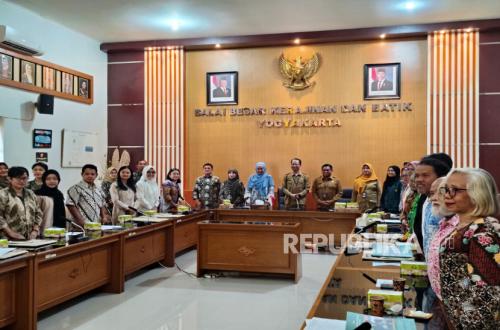
The Tourism Office (Dispar) of the Special Region of Yogyakarta, in collaboration with the Ministry of Industry’s Centre for Standardisation and Industrial Services for Craft and Batik (BBSPJIKB), has organised a competency-based training and certification programme for the creative economy to improve the technical skills of batik artisans. Imam Pratanadi, Head of the Yogyakarta Tourism Office, stated during the opening of the batik training on Monday that the five-day programme is a concrete step to enhance the technical competencies of batik makers, particularly in the scheme of synthetic dye colouring. He noted that mastering proper dyeing techniques would result in products that meet quality standards, possess good colour fastness, ensure production efficiency, and maintain occupational safety and environmental sustainability. The training, attended by 25 batik practitioners, will conclude with professional competency certification. Imam emphasised that a competency certificate is not merely a document but an official recognition of one’s abilities according to the Indonesian National Work Competency Standards (SKKNI). He said certification is crucial capital for increasing consumer confidence, broadening market access, enhancing professionalism, and strengthening the competitiveness of creative economy players at both national and global levels. He urged participants to take the training seriously, actively engage in discussions, practise diligently, and leverage the experience of competent assessors and instructors, rather than merely pursuing the certificate. Imam expressed hope that collaboration for such creative industry training would continue to be strengthened so that Yogyakarta’s batik becomes higher in quality, more innovative, sustainable, and capable of improving community welfare. He added that the ultimate goal is to produce competent and professional human resources who can elevate the dignity of Indonesian batik on the world stage. Zya Labiba, Head of BBSPJIKB at the Ministry of Industry, remarked that batik is not just a clothing product but a cultural identity, a source of creativity, and a driver of the people’s economy. She noted that UNESCO’s recognition of Indonesian Batik as an Intangible Cultural Heritage of Humanity on 2 October 2009 is proof of its globally acknowledged cultural value. This recognition, she said, is a mandate to continuously maintain quality, improve competence, and encourage innovation so that Indonesian batik remains relevant and competitive. She highlighted Yogyakarta’s strategic position as a national batik centre, where batik serves not only as a tourist attraction but also as a backbone for many MSMEs, artisans, designers, and creative economy actors, making the improvement of human resources an absolute necessity.