
Downstreaming that is reshaping the face of Indonesia's economy
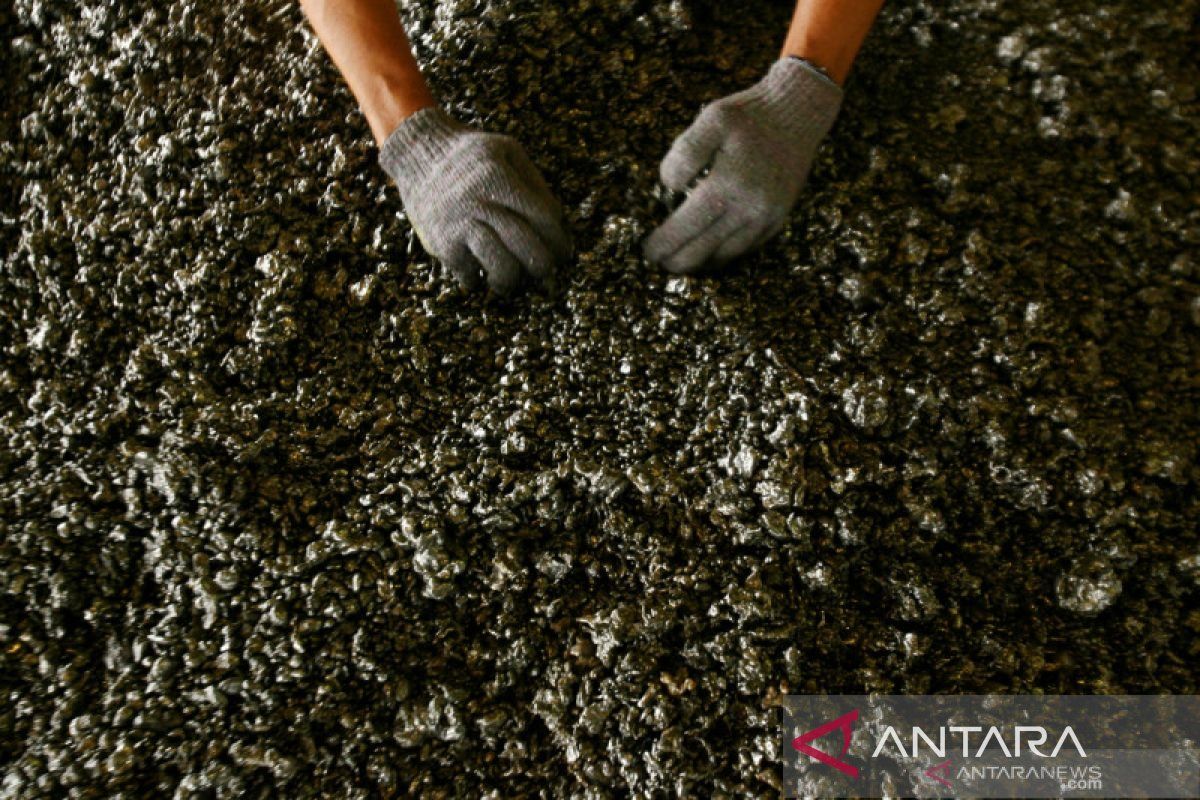
The success of downstreaming must not stop at large investment figures or increased industrial capacity. Downstreaming is not merely about processing minerals into value-added products, but about transforming the wealth stored in the earth’s depths into opportunities that can change the lives of millions of people. Mineral downstreaming is also not just about nickel, copper, tin, or bauxite. What is at stake is whether the natural wealth stored beneath the ground can truly improve the quality of life of the people living above it. For many years, Indonesia was known as a country rich in natural resources. However, that wealth did not always correlate directly with prosperity. For too long, this nation sold raw materials, while the greatest added value was enjoyed by other countries that processed them into higher-value products. As a result, Indonesia often became a spectator in an industrial chain that should have been built from its own strengths. Now, that perspective is slowly being changed. Downstreaming seeks to present a simple idea with an enormous impact: do not just sell what is taken from the earth, but build a new life through the process of refining it. The value of a mineral no longer stops when it leaves the mine, but continues to grow as it becomes an industrial raw material, opens jobs, creates new skills, and energises regional economies. Investment data for the first quarter of 2026 illustrates this change. Minister of Investment and Downstreaming/Head of BKPM Rosan Roeslani stated that downstreaming investment realisation reached Rp147.5 trillion, or approximately 29.6 percent of the total national investment of Rp498.8 trillion. This figure shows that nearly a third of national investment is now directed towards sectors that generate added value, rather than merely extracting natural resources to be sent to the global market. Within that figure, the mineral sector plays a very dominant role. Its investment value reached Rp98.3 trillion, or about 67 percent of the total national downstreaming investment. The size of this figure demonstrates that Indonesia’s main strength in the eyes of investors still rests on the mineral commodities that have long been the nation’s advantage. Nickel was the largest investment contributor, with a value of Rp41.5 trillion, or about 42 percent. It was followed by copper at Rp20.7 trillion, iron and steel at Rp17 trillion, bauxite at Rp13.7 trillion, and tin at Rp2.5 trillion. The remainder came from various other commodities such as gold, silver, cobalt, manganese, coal, silica sand, and rare earth metals.