
Downstreaming exports to create new economic sources for Indonesia
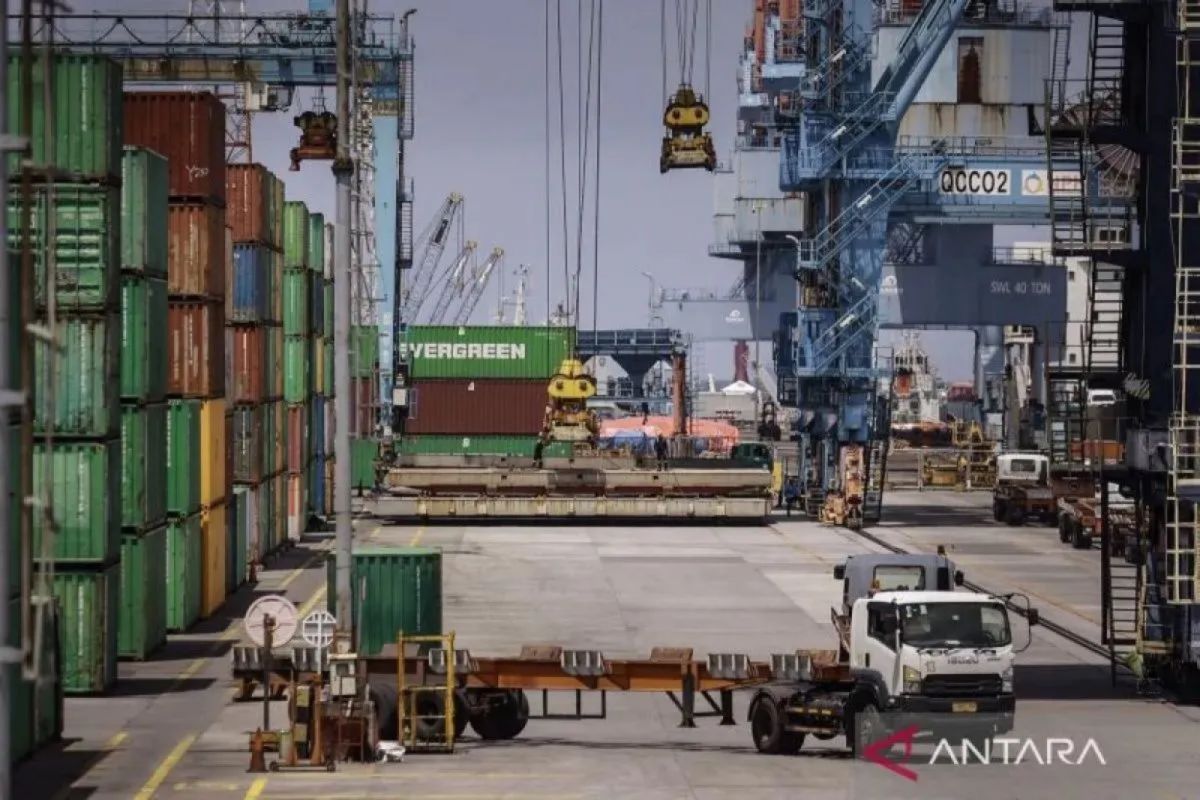
Jakarta (ANTARA) - Ade Holis, head of research at NEXT Indonesia Center, said strengthening downstreaming and export diversification is an important strategy to enhance Indonesia’s trade competitiveness while creating new sources of economic growth amid global trade dynamics.
According to Ade, the strategic steps that need to be accelerated include developing downstream industries in leading sectors such as palm oil, minerals, and manufacturing, so that Indonesian exports are increasingly dominated by high value-added products.
“What is more important is building a more diverse export structure with high added value that can withstand global economic turbulence. With such a foundation, net exports will become a long-term pillar of Indonesia’s economic growth,” Ade said in a statement received in Jakarta on Sunday.
He said the strategy would not only increase export value but also open new markets, create jobs, strengthen domestic industry, and improve Indonesia’s position in global supply chains.
“Through these measures, Indonesia not only has the opportunity to restore its trade balance surplus, but also to build a more productive export structure that is more resilient to global shocks and capable of contributing more significantly to national economic growth,” Ade said.
He added that Indonesian trade data shows the national export foundation remains fairly strong. A NEXT study based on data from Statistics Indonesia (BPS) recorded that Indonesia’s trade balance still posted a surplus of US$4 billion from January to May 2026.
During the January-May 2026 period, export value reached US$115.4 billion, growing 3.02 percent compared to the same period the previous year.
In May 2026, Indonesia recorded a trade balance deficit of US$1.6 billion, which, according to Ade, should be viewed as momentum to accelerate the transformation of the export structure, rather than merely chasing a monthly trade surplus.
He said the weakening of a number of key commodities serves as a reminder that dependence on raw commodity-based exports needs to be reduced through accelerated downstreaming and diversification of export products.
As such, Indonesia will have a stronger and more sustainable trade structure in facing changing global economic conditions.