
Downstreaming Becomes Sovereign Instrument in One's Own Country
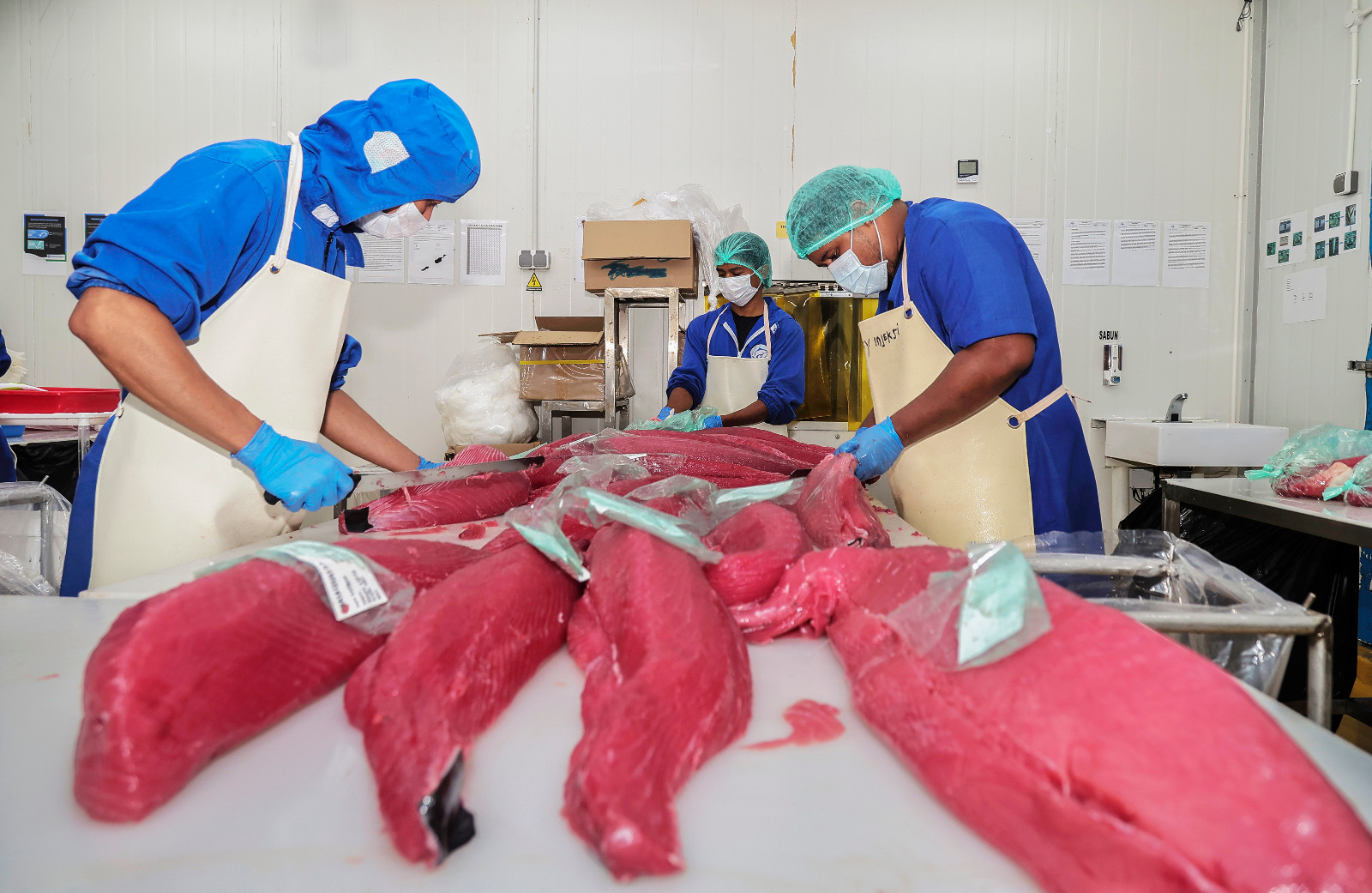
Energy and Mineral Resources Minister Bahlil Lahadalia has asserted that downstreaming is the main instrument for realising Indonesia’s sovereignty in natural resource management. According to him, downstreaming not only aims to increase the added value of commodities domestically but also to ensure that economic benefits are felt more equitably by the community, particularly in resource-producing regions.
During the launch and review of the book ‘10 Karya Nyata untuk Negeri: Setengah Abad Bahlil Lahadalia’ in Jakarta on Friday (7/8), Bahlil stated that the ideas presented in the book stemmed from President Prabowo Subianto’s directives on the importance of building sovereignty in national natural resource management. He believes downstreaming is the strategic path to achieving this goal. “How do we build sovereignty in natural resource management? Downstreaming is the instrument,” he stressed.
Nevertheless, Bahlil admitted that the initial phase of downstreaming was not fully aligned with the mandate of Article 33 of the 1945 Constitution and the values of Pancasila. He noted that the previous downstreaming model largely benefited the central government and investors, while communities in resource-producing areas had not yet felt optimal impacts. Therefore, Bahlil emphasised the importance of making downstreaming an instrument of welfare while ensuring local communities become key players in managing their own natural wealth. “I wanted to say at that time that downstreaming is an instrument of welfare. But also, local people must be masters in their own land,” he said.
Bahlil explained that one of the challenges in the early period of downstreaming was the lack of robust design and institutional framework. The programme was initially more focused on accelerating industrial processing development without comprehensive planning. He pointed out that the success of downstreaming in countries like South Korea, Japan, and China was largely determined by integrated governance and institutions. This issue also relates to financing sources. Bahlil revealed that the government had received criticism from several economists and national figures, including the late Faisal Basri and former Vice President Jusuf Kalla, regarding the large share of benefits enjoyed by foreign parties due to the dominance of foreign investment in resource processing projects. Bahlil said this occurred because domestic banks were initially reluctant to finance capital-intensive downstream projects, leading to a reliance on foreign investment. However, he noted that conditions are changing with increased domestic financing support, including through the Daya Anagata Nusantara Investment Management Agency (Danantara).
Bahlil also stated that downstreaming is expected to expand job opportunities, increase state revenue, strengthen national industry, and improve the welfare of communities in resource-rich areas. To ensure this process, the government is maintaining its export ban policy on bauxite ore and copper concentrate. He said this policy is necessary so that raw materials can be processed domestically and encourage the growth of downstream industries. “Going forward, I think some commodities whose export bans we must maintain include bauxite and copper,” he explained. He stressed there is no alternative but to build domestic processing industries so that the added value of natural resources can be enjoyed by Indonesia.
Chief Executive Officer of Danantara Indonesia, Rosan Perkasa Roeslani, said his agency is continuously coordinating with Bahlil as Minister of Energy and Mineral Resources to ensure downstream projects can be realised immediately. According to him, these downstream projects are directed at creating added value, building industries, and opening up large-scale employment. “We are always coordinating with the Minister of Energy and Mineral Resources to review these downstream projects that we will soon implement in order to create added value, industry, and jobs,” he said.
The critical mineral downstreaming policy has admittedly propelled Indonesia into a major player in the global nickel supply chain. However, this success is considered not yet proportional to the welfare of communities in producing regions. Amidst the surge in investment and increased added value from downstreaming, local governments receive a share of revenue sharing funds that is not commensurate with the social and environmental burdens they bear from mining activities. A recent report from the Indonesian non-profit organisation Cerah, titled ‘Reformasi DBH Minerba untuk Hilirisasi Mineral Kritis yang Berkeadilan’, reveals a gap in the benefit-sharing mechanism for critical mineral downstreaming. The current revenue sharing fund formula is still based on mining activities, meaning it fails to capture the added value generated from nickel processing and refining in industrial estates. As a result, nickel-producing provinces like Central Sulawesi only receive a small portion of the fiscal benefits while shouldering significant burdens.
Source: jawawa.id (https://jawawa.id/newsitem/downstreaming-becomes-sovereign-instrument-in-ones-own-country-1786657835)
Originally published by Media Indonesia (https://mediaindonesia.com/ekonomi/921254/hilirisasi-jadi-instrumen-berdaulat-di-negeri-sendiri), translated from Indonesian