
Downstream Processing of National Industrial Salt Purification
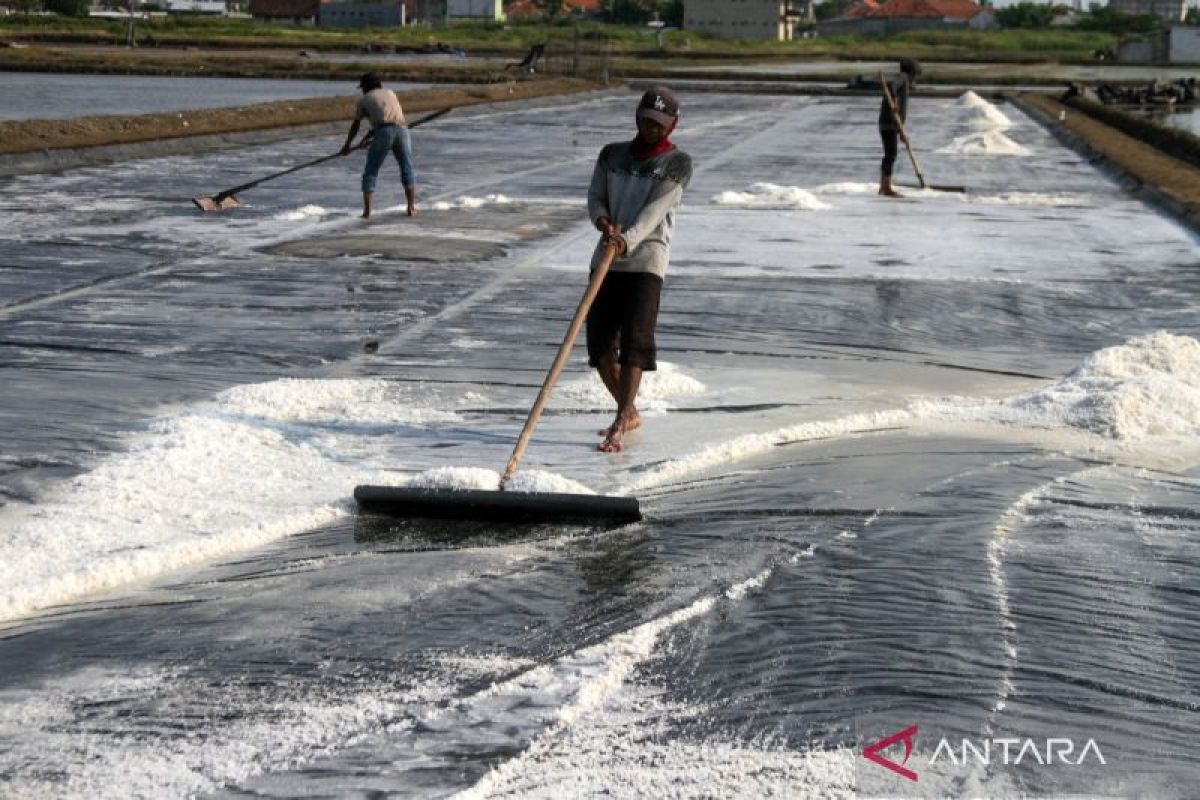
Jakarta (ANTARA) - The government’s target of achieving national salt self-sufficiency by 2027 is now being tested by a contradictory reality on the ground.
On one hand, the political commitment to stop import dependence continues to be trumpeted on the public stage. Yet on the other, empirical data actually show a contrary trend.
Between January and May 2026, the volume of industrial salt imports was recorded at a soaring 936,000 tonnes, jumping approximately 13.1 per cent compared with the same period the previous year.
That figure confirms that national manufacturing’s need for overseas raw material supplies remains extremely high.
The rise in imports has sparked a strong reaction from members of parliament in Senayan. Through their oversight function, the legislature has firmly demanded that the government tighten and limit additional salt import quotas.
Behind the controversy over import restrictions, a fundamental question often overlooked has emerged: why does the national manufacturing industry seem reluctant to absorb salt produced by local salt farmers, even though the country’s salt pond land potential reaches 33,216 hectares?
The fundamental problem of the national salt sector is in fact not a lack of land area or a shortfall in harvest volumes, but rather a very wide quality gap.