
Downstream Investment Realisation Tops Rp 300 Trillion, Dominated by Minerals
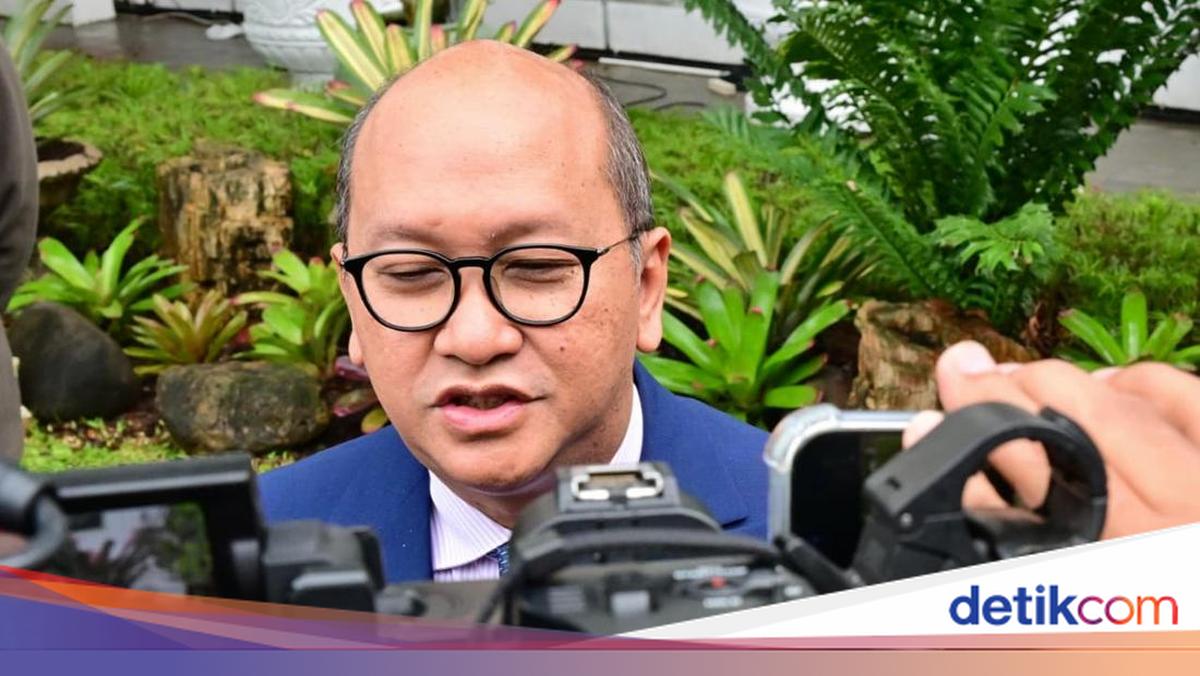
Minister of Investment and Downstream Industry/Head of the Investment Coordinating Board (BKPM), Rosan Roeslani, recorded growth in total investment in the downstream sector. This growth was underpinned by the minerals segment, which contributed more than Rp 200 trillion.
Total downstream investment realisation reached Rp 300.1 trillion up to the first half of 2026, growing 6.9% year-on-year. Rosan said the contribution of downstreaming to total investment realisation reached 29.7% up to the end of June 2026.
Meanwhile, on a quarterly basis, total downstream investment realisation reached Rp 152.7 trillion, up 5.7% year-on-year in the second quarter of 2026. This figure amounted to 29.8% of total investment realisation in the second quarter of 2026.
“The contribution of investment in downstreaming reached almost 30%, or 29.7%. That is a 6.9% increase compared to the previous year,” Rosan said at a press conference at the Presidential Palace complex in Central Jakarta on Thursday (16/7/2026).
Mineral Downstreaming
Rosan explained that the minerals sector still dominated downstream investment, with a total achievement of Rp 206.5 trillion. This downstream investment included nickel products worth Rp 71 trillion, bauxite Rp 53.8 trillion, copper Rp 37.4 trillion, iron and steel Rp 30.2 trillion, silica sand Rp 5.9 trillion, and a number of other mineral commodities amounting to Rp 8.2 trillion.
However, based on second-quarter 2026 data, bauxite became the largest, with total downstream investment of Rp 40.1 trillion. This occurred due to the construction of a number of bauxite facilities. Total mineral downstream investment in the second quarter reached Rp 108.2 trillion.
“Usually nickel is always number one, but now there has been a shift towards bauxite. Bauxite is number one — usually, as we know, it is always nickel — so this is a shift to bauxite because there are indeed several bauxite developments carried out by both domestic and foreign players, meaning bauxite has for the first time taken the top spot after nickel,” he explained.
Plantations and Forestry
Meanwhile, for the plantation and forestry sector, total downstream investment reached Rp 54.4 trillion. The breakdown is as follows: palm oil downstreaming Rp 29.5 trillion, logs Rp 16.3 trillion, rubber Rp 5 trillion, and other plantation and forestry products amounting to Rp 3.6 trillion.
Furthermore, investment realisation in the oil and gas sector reached Rp 35.4 trillion. Finally, investment realisation in the fisheries and marine sector amounted to Rp 3.8 trillion.
“Going forward, we will also encourage downstreaming in the plantation and forestry sectors, as well as in oil and gas, including fisheries and marine resources,” he said.
In terms of regional distribution, Rosan said downstream investment was dominated by areas outside Java, at 75.7%, or around Rp 227.3 trillion. Meanwhile, Java accounted for 24.3%, or around Rp 72.8 trillion.
“Domestic investment amounted to Rp 87.3 trillion, while foreign direct investment was Rp 212.8 trillion. So, as we know, this is largely in North Maluku, Sulawesi, West Nusa Tenggara and elsewhere,” he concluded.
Source: jawawa.id (https://jawawa.id/newsitem/downstream-investment-realisation-tops-rp-300-trillion-dominated-by-minerals-1784202643)
Originally published by finance.detik.com (https://finance.detik.com/berita-ekonomi-bisnis/d-8576784/investasi-hilirisasi-tembus-rp-300-t-didominasi-mineral), translated from Indonesian