
Download Link for the 2026 Hajj Pilgrimage Guide Available
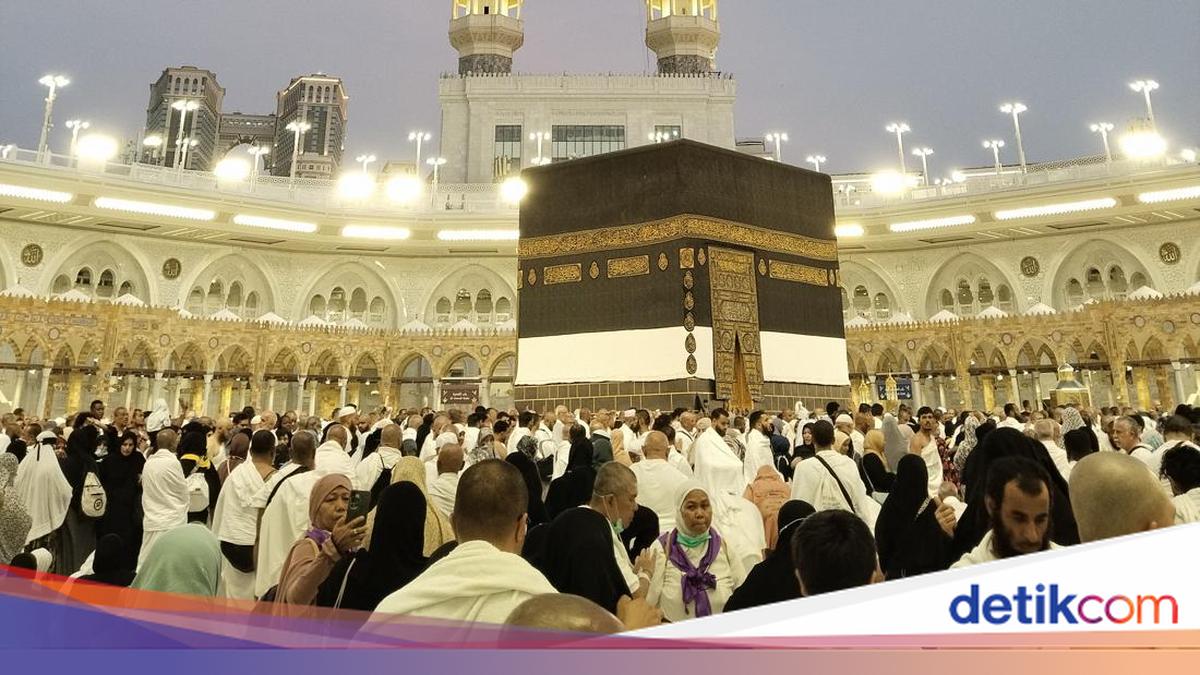
For prospective Hajj pilgrims, understanding the contents of this guide is essential for a smooth journey. The document contains mandatory guidelines regarding regulations, mobility, and the procedures for performing the religious rites in the Holy Land.
According to the official website of the Hajj Affairs Office, the official 2026 Hajj pilgrimage guide from the Saudi Ministry of Hajj and Umrah can be downloaded online.
Summary of the 1447 H Hajj Pilgrimage Guide Contents:
Based on the guidance document, there are several fundamental aspects strictly regulated by the Saudi Arabian government. Here are the five main summary points from this year’s Hajj guide:
- Mandatory Use of the Nusuk Application and Card
The government emphasises that there is no Hajj without valid permission. The Hajj Visa is the only approved permit for performing the rituals for those arriving from outside the Kingdom. Pilgrims are strictly required to download the ‘Nusuk’ application. Additionally, pilgrims must always carry the physical or digital Nusuk Card, as this serves as the primary access permit to Masjid al-Haram and the Holy Sites.
- Transportation and Mobility Guidelines
Pilgrim movement has been systematically organised using official fleets. When using bus fleets, pilgrims are requested to always wait in designated areas and adhere to group schedules. The government also facilitates the Holy Sites Train for mobility between ritual sites. For intercity travel, pilgrims can utilise the Haramain High-Speed Railway. Pilgrims are advised to remain vigilant against unauthorised vehicles.
- Health and Heat Exhaustion Prevention
To prevent the risk of heat exhaustion, pilgrims are required to drink sufficient amounts of water continuously. In addition to the requirement of carrying an umbrella when going outdoors, pilgrims are strictly prohibited from leaving their tents during peak hours.
- Emergency Contact Numbers and Services
The government has prepared alert channels to ensure the safety and comfort of the pilgrims. If pilgrims encounter any service negligence from any party, they can report it to the Pilgrim Service Centre at number 1966. The guide also includes several other important numbers. Pilgrims can contact 911 for the integrated emergency number. There is also contact 937 for health information and 8002451000 for religious fatwa services, which are available in various languages.
- Hajj Schedule and Timeline
Another vital part of this guide is the chronological order of the Hajj rituals. The established timeline is as follows:
8 Zulhijah (Day of Tarwiyah): Pilgrims enter the state of Ihram and proceed to Mina.
9 Zulhijah (Day of Arafah): Pilgrims perform Wuquf at Arafah, followed by departure to Muzdalifah.
10 Zulhijah (Day of Sacrifice/Nahr): Pilgrims perform the stoning of Jamrah al-Aqabah, shaving or cutting hair, and Tawaf al-Ifadah.
11, 12, and 13 Zulhijah (Tashriq Days): These days focus on the stoning of the three Jamarat. Pilgrims are required to stay overnight in the Mina area.
Farewell: Pilgrims are required to perform Tawaf al-Wada’.