
Don't Wait Until You're Sick: Government Strengthens Health Detection and Services
The government continues to strengthen the transformation of the national health system by prioritising disease prevention and early detection.
One such effort is being carried out through the Free Health Screening Programme (CKG), which gives the public the opportunity to detect diseases early so they can be treated promptly before developing into more serious conditions.
The government is also encouraging the public to make health checks part of a healthy lifestyle, while ensuring that screening results can be followed up through education, treatment, or referral according to medical needs.
The CKG programme, launched by President Prabowo Subianto on 10 February 2025, is one of the government’s steps to shift the orientation of health services from a focus on treatment towards strengthening promotive and preventive efforts.
Health Minister Budi Gunadi Sadikin said the first phase of CKG implementation showed a positive response from the public. By the end of 2025, the programme had reached 38 provinces through 10,588 health facilities, with 70 million of the 73 million people who registered having undergone health screening.
This achievement is an important foundation for supporting the government’s target of increasing the life expectancy of Indonesians from around 72 years to 76 years.
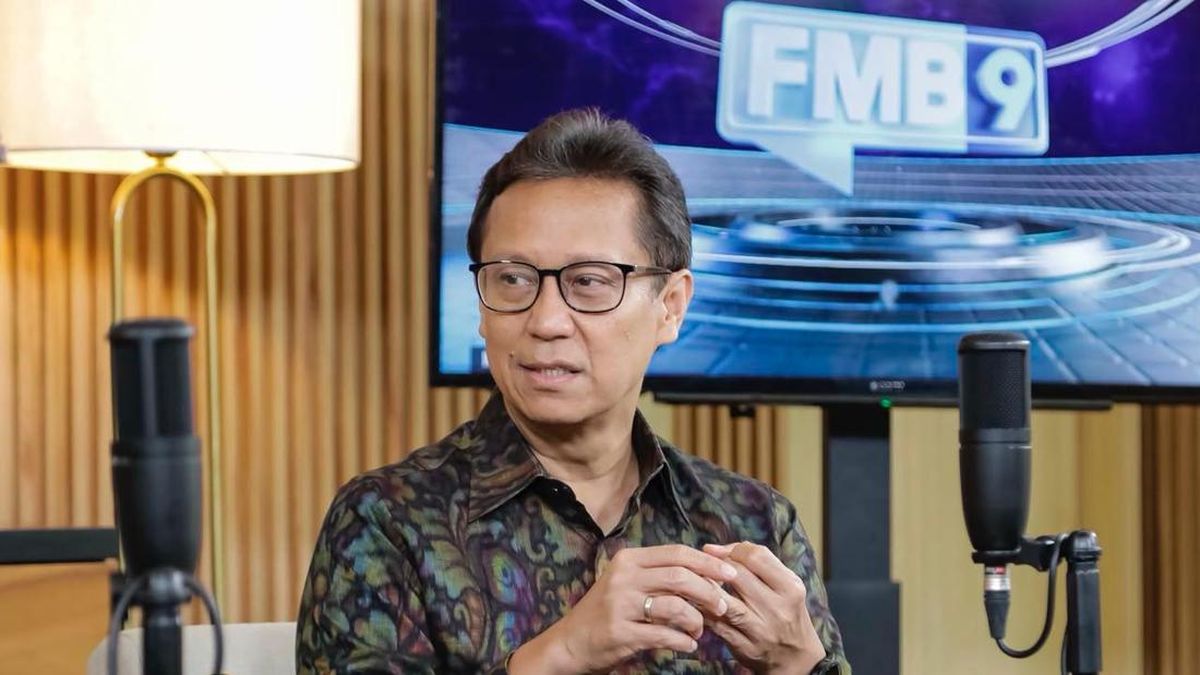
“President Prabowo has tasked me with increasing the life expectancy of Indonesians from 72 years to 76 years. To raise life expectancy, we have to look at why many Indonesians die prematurely,” Budi said during the Forum Merdeka Barat 9 (FMB9) dialogue titled “Realising Equitable Health for the Indonesian People” on Tuesday (21/07).
Early Detection to Reduce Disease Risk
According to Budi, deaths in Indonesia are still dominated by non-communicable diseases (NCDs), such as stroke, heart disease, cancer, and kidney failure. A number of these diseases can be prevented or controlled if their risk factors are identified early.
Ministry of Health data published on 20 February 2025 shows that almost 75% of deaths in Indonesia are caused by non-communicable diseases. Cardiovascular diseases, including heart attacks and strokes, claim nearly 800,000 lives each year.
This situation underscores the importance of regular health checks, particularly to monitor blood pressure, blood sugar levels, and cholesterol. These three indicators serve as basic parameters for detecting the risk of hypertension, diabetes, heart disease, stroke, kidney failure, and other chronic diseases.
“Those three diseases can actually be prevented. One way is to have regular health checks so we know the condition of our bodies. The easiest indicators to observe are blood pressure, blood sugar, and cholesterol,” Budi said.
Routine screening is important because high blood pressure, diabetes, and high cholesterol often do not cause symptoms in the early stages. A person may feel healthy but actually already have risk factors that could develop into serious illness.
By knowing the condition of their bodies earlier, people have the opportunity to make lifestyle changes, such as improving their diet, increasing physical activity, avoiding smoking, and obtaining treatment before complications arise.
CKG Followed by Treatment and Referral
The government has ensured that CKG implementation does not stop at the screening stage. People found to have risk factors or diagnosed with certain diseases will receive follow-up according to their health condition.
This follow-up includes lifestyle change education, free medication, further examinations, and referral to health facilities with more comprehensive services.
“This year we have started providing the medication. Health checks and treatment are free, and there are also referrals for certain diseases,” Budi said.
This service development is being carried out so that screening results genuinely provide benefits. CKG participants not only learn about their health condition but also receive guidance on the steps to take after the screening.
Director of Harapan Kita Hospital and Expert Adviser to the Ministry of Health, Ariani Dewi Widodo, considers changing mindsets to be one of the important challenges in implementing CKG.
According to Ariani, some people are still reluctant to undergo screening because they are afraid of discovering illnesses they may have. In fact, early detection actually opens up greater opportunities to prevent diseases from developing into more severe conditions.
“The perception needs to be corrected first. People are often afraid of health checks because they are afraid of being found to be ill. In fact, by knowing early, we can prevent the condition from developing from yellow to red, and it can even return to green,” she said.
She added that controlling chronic diseases such as hypertension and diabetes is not enough if it relies solely on medication. Treatment needs to be accompanied by lifestyle changes, from maintaining a healthy diet and regular physical activity to getting adequate rest and following the advice of health workers.
Expanding TB Detection and Treatment
In addition to preventing non-communicable diseases, the government is also strengthening the handling of tuberculosis (TB), which remains one of the biggest health challenges in Indonesia.
Referring to the Global TB Report 2025, Indonesia is still the country with the second-highest TB burden in the world after India, with around 1,080,000 new cases and 126,000 TB-related deaths each year, making accelerated detection and treatment one of the government’s priorities.
The scale of these figures shows the importance of expanding case finding while ensuring every patient receives treatment to completion.
Budi stressed that TB can be cured if detected early and treated properly. The public is also asked not to stigmatise TB sufferers because stigma can make someone reluctant to get tested or stop treatment before it is finished.
“If it is detected more quickly and the patient takes medication, within about one month the patient is no longer infectious. That is why we have to find as many cases as possible so they can be treated immediately,” he said.
To support the acceleration of case finding, the government is expanding TB screening through the procurement of around 10,000 X-ray machines and portable PCR devices. This equipment will be placed down to the community health centre (puskesmas) level so that screening becomes more accessible.
Strengthening diagnostic facilities is expected to accelerate patient identification, treatment provision, and break the chain of transmission within families and communities.
Successful TB treatment also requires patient discipline in taking medication to completion. Family support is needed so that patients continue therapy as advised by health workers and do not stop treatment prematurely.
Equitable Facilities Strengthen Access to Services
Prevention and treatment efforts are also supported through the construction and strengthening of health facilities in various regions.
After completing the construction of 22 hospitals in 2025, the government began building 12 new hospitals in 2026. This construction will be followed by 20 additional hospitals in the next phase.
New hospitals are prioritised for areas that still lack specialist health services. These facilities will be equipped with modern medical equipment, such as CT scanners, mammography, cardiac catheterisation laboratories (cath labs), and cancer screening and treatment facilities.
Strengthening health facilities is intended to ensure that people in the regions no longer have to travel long distances or be referred to large cities to obtain certain medical services.
Source: jawawa.id (https://jawawa.id/newsitem/dont-wait-until-youre-sick-government-strengthens-health-detection-and-services-1786341118)
Originally published by CNN Indonesia (https://www.cnnindonesia.com/nasional/20260809124228-25-1390278/jangan-tunggu-sakit-pemerintah-perkuat-deteksi-dan-layanan-kesehatan), translated from Indonesian