
Don't Underestimate It: Papaya Business Profits Reach Rp 300 Trillion!
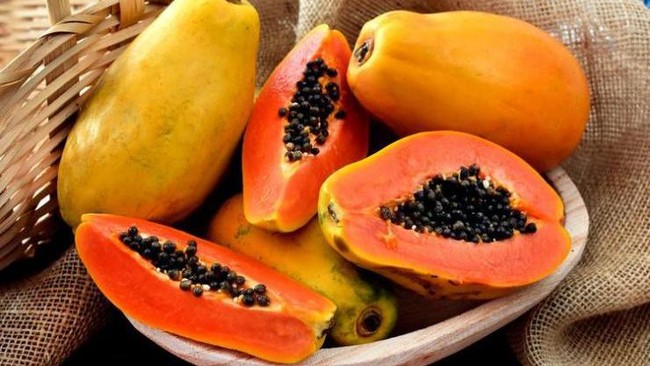
Jakarta, CNBC Indonesia - Papaya now has a market value of US$14.2 billion in 2024 and is projected to grow to US$22.41 billion, or approximately Rp385.45 trillion, by 2033. This industry is expanding due to a combination of global health trends, product innovation, and increasingly sophisticated supply chain integration. Behind this growth, papaya is no longer just traded as fresh fruit but also as a raw material for the food, pharmaceutical, and cosmetics industries. Asia Pacific Dominance, Developed Countries Drive Premiumisation Asia Pacific is the centre of global papaya market dominance, supported by tropical climates, cultivation expertise, and integrated supply chain systems. This region excels not only as a producer but also as a consumption and export hub. Meanwhile, developed countries exhibit a different market character. This difference reflects the fragmented structure of the global market: Asia as a production base, while developed countries become high-value markets with strict standards. Downstreaming as the Key Driver The biggest transformation in the papaya industry is the shift from the fresh fruit market to processed products. Items such as puree, dried fruit, and papain extracts are now the main drivers of added value. Papain, an enzyme produced from papaya, has wide applications in the pharmaceutical, food, and cosmetics sectors. This positions papaya as part of a high-value bioactive industry chain. Additionally, processing also addresses the high perishability of the fruit. Fruits that do not meet fresh market standards can still be utilised as industrial raw materials, thereby reducing waste and increasing efficiency. Nevertheless, risks such as plant diseases and climate change persist. The perishable nature of papaya also drives the need for expensive cold chain infrastructure. To overcome this, industry players are increasingly relying on technology, including artificial intelligence (AI), to improve harvest prediction accuracy, logistics efficiency, and quality management. New Direction: Sustainability and Modern Supply Chains Looking ahead, sustainability is a key factor in global papaya trade. Practices such as regenerative agriculture, water use efficiency, and digital traceability are becoming new standards demanded by international markets. At the same time, the industry’s main strength no longer lies solely in production but in the ability to manage supply chains efficiently, from harvest to distribution. In other words, competitiveness is no longer determined by who can produce the most but by who can deliver products consistently, with high quality, and high added value. 5 Largest Papaya Producing Countries in the World Several countries produce papaya in large quantities, including Indonesia. Here are the five largest papaya producing countries in the world, according to 2023-2024 data from the Food and Agriculture Organisation (FAO) and World Population Review. 1. India India is the world’s largest papaya producer. There, papaya is widely grown in various Indian states, particularly Andhra Pradesh, Gujarat, Maharashtra, and Karnataka. With a tropical and subtropical climate, India has ideal conditions to support high year-round papaya production. Common varieties grown in India include Pusa Delicious, Coorg Honeydew, and Red Lady. In a year, India records a production scale of more than 5.5 million tons of papaya. This large production places India far ahead of other countries in global papaya production. Papaya is a year-round fruit in India, supported by regular irrigation, improved hybrid seeds, and organic farming practices. Due to its health benefits, including vitamins A and C as well as antioxidants, papaya has become a favourite in health-conscious diets. Papaya is an important part of many Indian diets and is often consumed raw or ripe. 2. Dominican Republic The Dominican Republic ranks second in global papaya production, with a scale of 1.28 million tons. This country leverages its tropical climate and continues to expand papaya cultivation for local consumption and exports. Most of its production is destined for the fresh fruit market in North America and Europe. 3. Mexico Mexico produces around 1.13 million tons of papaya each year. This country is a major exporter of papaya, particularly to the United States. The Maradol variety is the most widely grown in Mexico, known for its bright orange flesh and large size. 4. Brazil Brazil produces more than 1.1 million tons of papaya each year. The southeast region, such as Bahia and Espírito Santo, is the main papaya planting zone. Papaya is a staple fruit in Brazil and is consumed daily in the form of juice, desserts, and fresh dishes. 5. Indonesia Indonesia produces approximately 1 million tons of papaya each year. Most papaya is cultivated by smallholder farmers intercropped or on mixed land with other crops. Popular papaya types in the local market include California, Bangkok, and Hawaiian Red. In addition to these five countries, nations like Mexico, the Philippines, Thailand, and Vietnam also produce large quantities of papaya. These countries contribute to the global supply through export markets. Production in Indonesia Papaya grows optimally in humid tropical regions at altitudes of 0-700 metres above sea level, with temperatures of 22-30°C, making it highly suitable for mass cultivation in Indonesia. Additionally, this plant is relatively quick to harvest. Papaya can begin fruiting 6-9 months after planting. All these factors drive the large scale of papaya production in Indonesia. Based on 2023 data from the Central Statistics Agency (BPS), Indonesia produced 1,238,692 tons of papaya in just one year.
Source: jawawa.id (https://jawawa.id/newsitem/dont-underestimate-it-papaya-business-profits-reach-rp-300-trillion-1777031501)
Originally published by CNBC Indonesia (https://www.cnbcindonesia.com/research/20260424153227-128-729652/jangan-dianggap-remeh-cuan-bisnis-pepaya-tembus-rp-300-triliun), translated from Indonesian