
Don't Get It Wrong: The Difference Between Qurban and Aqiqah
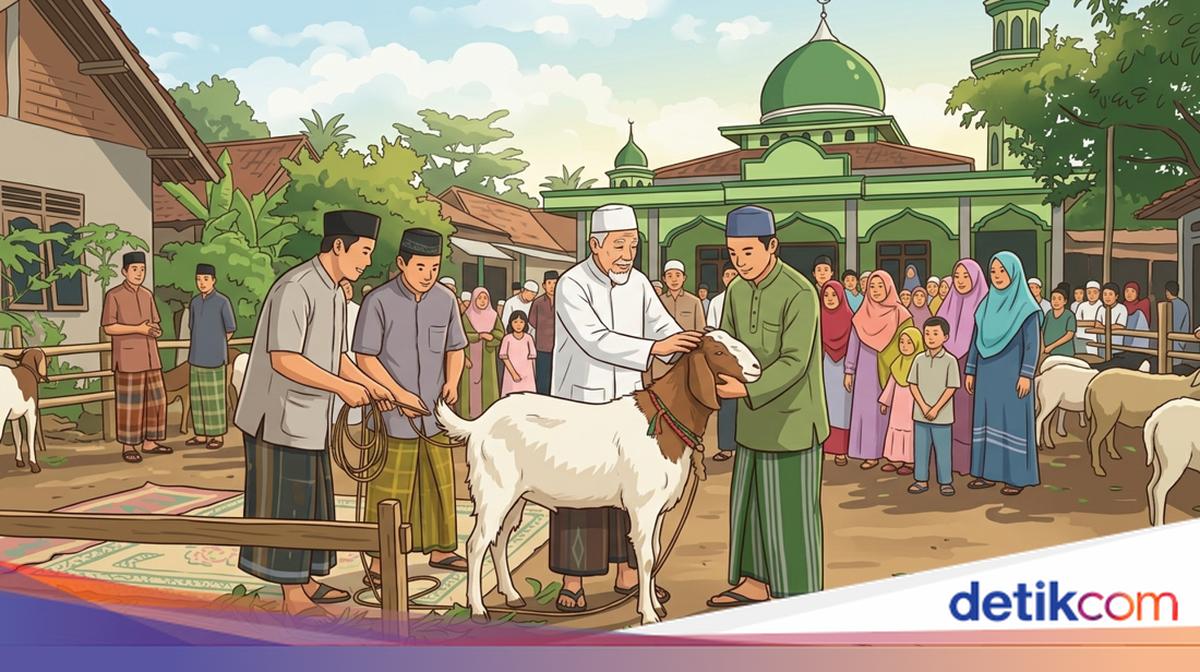
Both Qurban and Aqiqah involve slaughtering animals, but they have distinct purposes, rulings and timings.
What is the Qurban?
Qurban is an act of worship that involves slaughtering an animal during Eid al-Adha, specifically on the date 10 Dzulhijjah or the days of Tasyrik between 11-13 Dzulhijjah. Outside these dates, the slaughter is not considered Qurban.
The hukum (ruling) of this act is sunnah mu’akkadah for Muslims who are able. However, some scholars require it for those who want to ensure sufficient provision. The primary purpose of Qurban is to draw closer to Allah and to remember the sacrifice of the Prophet Ibrahim (AS).
The injunction for Qurban is based on the Qur’an, where Allah says: فَصَلِّ لِرَبِّكَ وَانْحَرْۗ Meaning: “Therefore pray to your Lord and sacrifice.” (QS. Al-Kautsar: 2)
The animals that can be sacrificed include camels, cows, goats, or sheep. There are several conditions for Qurban animals, including being healthy and of sufficient age. The minimum ages are: goats at least 1 year old, cows at least 2 years old, and camels at least 5 years old. After slaughter, the Qurban meat should be distributed, especially to the poor.
What is Aqiqah?
Aqiqah, on the other hand, is the slaughtering of an animal as a form of gratitude for the birth of a child in the family. Aqiqah is a Sunnah Mu’akkadah or highly recommended Sunnah.
Ideally, Aqiqah is performed on the seventh day after the child’s birth or on the 14th, 21st day, or at any time while the child is alive. This is under the prophetic tradition of Muhammad (SAW): كُلُّ غُلَامٍ رَهِينَةٌ بِعَقِيقَتِهِ تُذْبَحُ عَنْهُ يَوْمَ سَابِعِهِ وَيُحْلَقُ وَيُسْمَّى Meaning: “Every child is held ransom by his Aqiqah; slaughter for him on the seventh day, shave his head, and give him a name.” (HR. Abu Dawud and Tirmidhi)
It is also narrated in the hadith of Imam Al-Bukhari from the companion Salman bin Amir ad Dhabi: مَعَ الْغُلَامِ عَقِيقَةٌ فَأَهْرِيقُوا عَنْهُ دَمًا، وَأَمِيطُوا عَنْهُ الْأَذَى Meaning: “Beside (the birth) of a child, Aqiqah. So shed blood for him and remove his impurity.” (HR. Al-Bukhari).
The main purpose of Aqiqah is a form of gratitude to Allah for the birth of a child and to release the ‘pledge’ of the child as mentioned in the hadith above.
As for the animals that can be sacrificed in Aqiqah, they are limited to goats or sheep. For a male child, it is recommended to sacrifice two goats; for a female child, one goat. Then the meat is cooked before being distributed to neighbours, family, and the poor.
“For a male child, two goats should be sacrificed; for a female child, one goat.” (HR. Ahmad and Tirmidhi)
Can Qurban and Aqiqah be Combined?
This is a question that often comes to mind, but these two acts of worship should not be combined into a single execution. The reason is that each act has its own intention, rationale, and objective.
In conclusion, while Qurban and Aqiqah share similarities in slaughtering animals, their differences lie in timing. Qurban can only be performed during Eid al-Adha, whereas Aqiqah can be performed at any time.
This is a discussion on Qurban and Aqiqah according to Islamic teachings. May it be beneficial!