
Don't Cover Coughs with Your Palm – The Correct Way
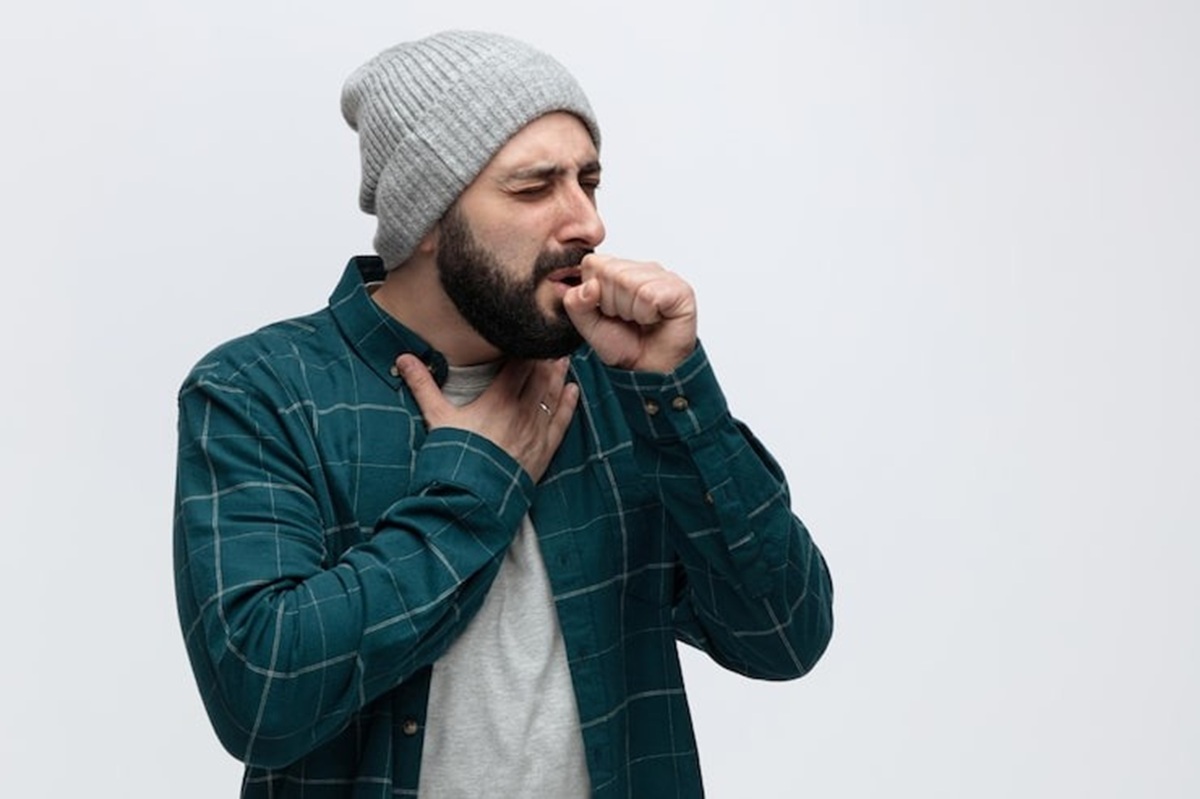
Coughing and sneezing are often seen as minor, everyday occurrences. However, covering a cough with the palm of the hand can actually increase the risk of spreading viruses and bacteria to others. Therefore, understanding the correct cough etiquette is essential to minimise disease transmission.
According to Halodoc, influenza and various respiratory infections spread through droplets or tiny fluid particles expelled during coughing or sneezing. These droplets can carry viruses and remain airborne or adhere to surfaces.
When someone coughs or sneezes without covering their mouth and nose, pathogen-containing droplets can travel up to 1.8 metres. Some viruses are known to survive in the air for hours and on surfaces for up to 48 hours.
Therefore, covering a cough properly is not just about politeness, but a crucial step to protect those around you from infection.
Many people reflexively cover their mouths with their palms when coughing. However, this method actually facilitates the spread of germs.
After coughing, hands typically touch various surfaces such as door handles, tables, mobile phones, lift buttons, and public transport handrails. Consequently, viruses or bacteria can transfer to these surfaces and infect others who come into contact with them.
Respiratory viruses often enter the body when contaminated hands touch the eyes, nose, or mouth.
To reduce the risk of spreading illness, the following steps are recommended when coughing or sneezing:
Use a tissue to cover the mouth and nose when coughing or sneezing to prevent droplets from spreading into the air.
If no tissue is available, use the inside of the elbow to cover the cough or sneeze. This method is safer than using the palm of the hand.
Masks help reduce the spread of droplets into the open air, especially in public or crowded places.
Used tissues should be disposed of immediately in a lidded bin to prevent them from becoming a source of germs.
Washing hands with soap and running water or using an alcohol-based hand sanitiser with at least 60% alcohol content is essential after coughing or sneezing.
In addition to practising proper cough etiquette, maintaining hand hygiene is key to preventing virus transmission. The public is advised to wash hands regularly, particularly after using the toilet, before eating, and after touching objects in public spaces. Avoid touching the face before hands are thoroughly clean.
When unwell, reduce physical contact such as handshakes, hugs, or kisses, especially with infants and the elderly, who have weaker immune systems.
Masks should also be monitored. If a mask becomes damp, replace it immediately and avoid reusing single-use masks. When removing a mask, take it off by the straps at the back without touching the front.