
Don't Celebrate Just Yet! Indonesia's Footwear Industry Remains Wary Despite 11% Q2 Rebound
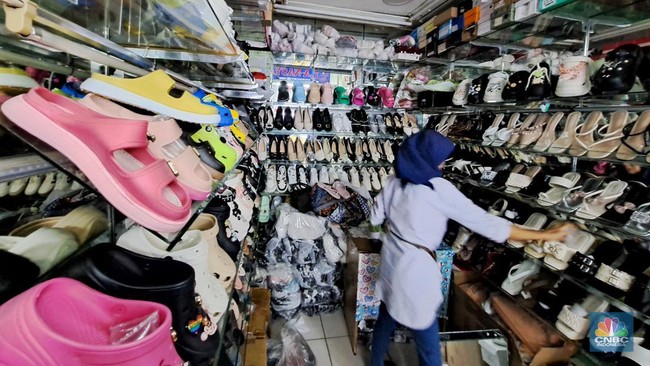
The domestic footwear industry continues to face pressure from the influx of imported products entering the domestic market. Imported products, both legal and illegal, are considered to have highly competitive prices, further squeezing locally made goods.
Secretary General of the Indonesian Footwear Association (Aprisindo) Yoseph Billie Dosiwoda stated that the import issue is one of the main challenges facing the footwear industry in the domestic market.
“From the domestic market side, the challenges are not light. The industry is facing a flood of imported products, both legal and illegal, with very competitive prices that are pressuring local products,” Billie told CNBC Indonesia.
Additionally, he mentioned that ongoing regulatory and supervisory obstacles, including Indonesian National Standard (SNI) certification, various permits, and unbalanced import practices, are adding to the pressure on the national footwear industry.
“On top of that, the many mandatory regulations add to the cost burden and administrative requirements, as well as lengthy processes,” he added.
According to Billie, the pressure from imported products is an issue that needs attention amidst the footwear industry’s efforts to maintain the domestic market. This is especially true given that Indonesia has a large market with a population of around 288 million people.
“Looking ahead, given the uncertain geopolitical situation and people’s purchasing power which is still declining, we see that opportunities for improvement remain, especially if driven by several key factors: global demand stability, improved export market access, and stronger government policies to protect export and domestic markets, and strengthen the domestic supply chain. Because Indonesia has a potential population of 288 million. If every person wears shoes, it means the market is still there,” he explained.
He assessed that the 11.30 per cent growth in the leather, leather goods, and footwear industry in the second quarter of 2026 is not yet sufficient reason to consider the industry fully recovered. Protection of the domestic market and strengthening of the supply chain are still deemed necessary for this growth to continue.
“However, without appropriate policy intervention, both in import controls, ease of raw material access, and appropriate labour-intensive industry incentives, for example through a machinery restructuring programme, this growth risks being unsustainable,” said Billie.
Overall, Billie said his side sees signals of improvement in the national footwear industry. However, this improvement is not yet fully robust and is still overshadowed by various structural challenges, both domestic and international.
“Both in the export and domestic markets,” he concluded.
Source: jawawa.id (https://jawawa.id/newsitem/dont-celebrate-just-yet-indonesias-footwear-industry-remains-wary-despite-11-q2-rebound-1786517497)
Originally published by CNBC Indonesia (https://www.cnbcindonesia.com/news/20260812122904-4-758557/jangan-happy-dulu-industri-sepatu-ri-was-was-meski-bangkit-11-di-q2), translated from Indonesian