
Don't Buy the Wrong One! The Difference Between Investment-Grade Luxury Goods and Mere Trends
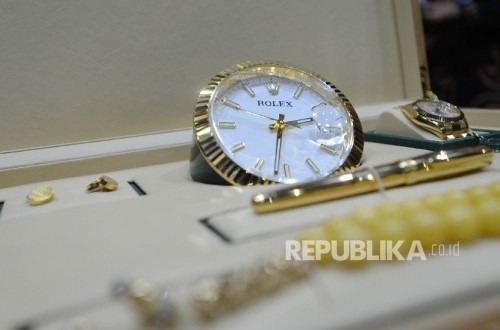
JAKARTA – Members of the public are increasingly eyeing alternative investment instruments by collecting premium watches, branded bags and even classic cars. Whilst these were once synonymous with symbols of social status, some luxury goods are now being positioned as safe haven assets.
This is reflected in global market dynamics. Various economic reports project that the international preloved luxury market will reach a value of USD 60.55 billion by 2029. The trend is driven by growing interest among the upper class in using bags and luxury watches as highly liquid assets.
Economist and lecturer at Universitas Muhammadiyah Yogyakarta, Susilo Nur Aji Cokro Darsono, said the trend reflects the public’s increasing literacy regarding the importance of investment diversification. “In the past, investment was synonymous with stocks, bonds, gold or property. Now there is growing interest in alternative assets such as luxury watches, premium bags, works of art, and classic cars,” he said in a written statement over the weekend.
Nevertheless, Susilo reminded that not all luxury goods can be categorised as investment instruments. From an economic perspective, an asset can only be called an investment if it is able to maintain or increase its value over the long term.
According to Susilo, the appreciation of an item’s value is fundamentally influenced by the law of supply and demand. When demand rises whilst supply remains limited, the opportunity for price appreciation becomes greater.
“The main influencing factors are scarcity, brand reputation, authenticity and ownership history, secondary market liquidity, as well as historical and cultural value,” said Susilo.
Global investors no longer consider only brand names, but also pay attention to the degree of scarcity and cultural value. According to Susilo, this is what enables certain brands to retain their value over time. Rolex, Patek Philippe and Hermes, for example, are considered to have successfully built competitive advantages.
“Rolex, Patek Philippe and Hermes have succeeded in creating an economic moat through high quality, limited production, and a strong secondary market,” he said.
Data from WatchCharts shows the luxury watch market index rose by around 5.1 per cent over the past year. Rolex recorded an increase of around 4.6 per cent, whilst Patek Philippe rose by as much as 12.1 per cent. Meanwhile, Hermes Birkin and Kelly bags continue to demonstrate value resilience, with very minimal depreciation of around 0.2 per cent.