
Don't Be Complacent! Verifying Information Is Crucial to Protect Digital Assets
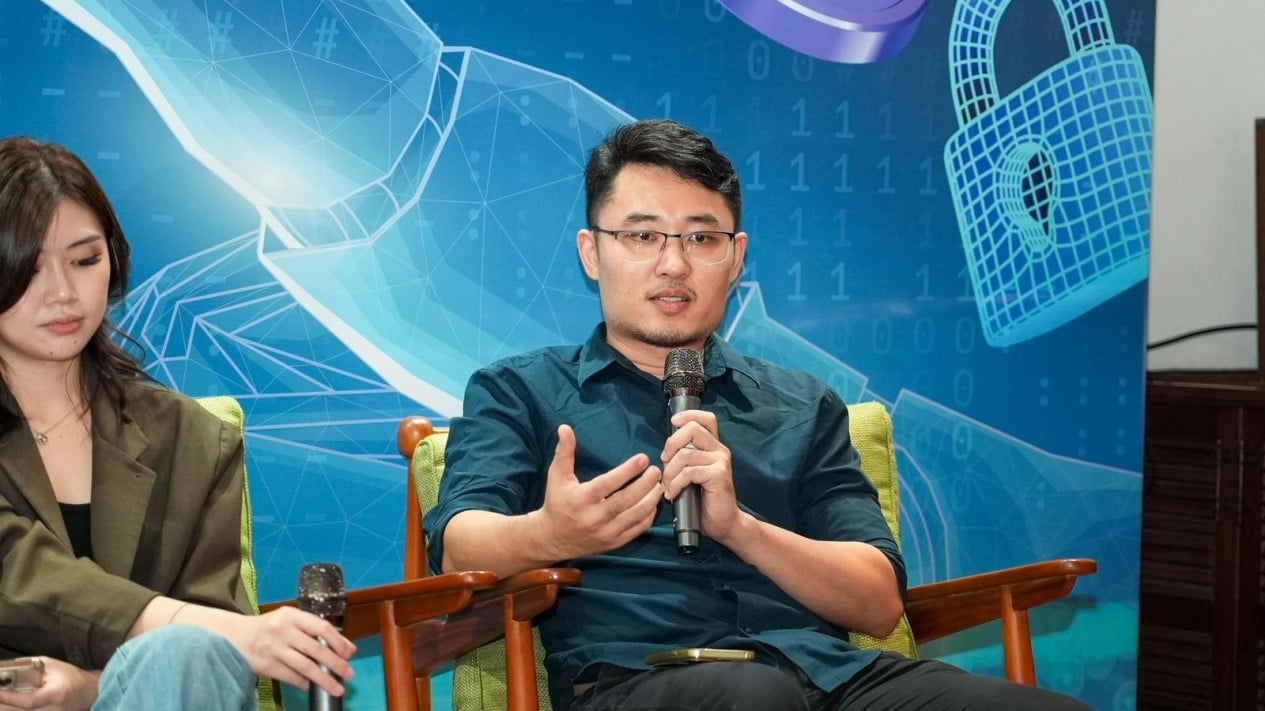
Jakarta – The public needs to get into the habit of verifying and even independently researching information before making decisions regarding digital assets, including when conducting crypto asset transactions.
Indodax Chief Information Security Officer (CISO) Ledy explained that the evolution of security technology has shifted the pattern of threats in the crypto asset ecosystem. Previously, perpetrators mostly attempted to exploit system weaknesses. Now, many incidents occur because perpetrators target the psychological aspects of users, designed to influence how a person makes decisions.
“Many people still assume the biggest threat comes from system hacking on exchanges. In fact, in several recent cases, perpetrators gained access because victims unconsciously provided important information or clicked on dangerous links that resembled official services,” Ledy said in a statement on Tuesday, 30 June 2026.
He noted that the development of artificial intelligence (AI) is making various fraud modes increasingly convincing. Besides deepfakes and voice cloning, perpetrators are now also utilising fake advertisements on social media such as Facebook, manipulation of search results (AI search engine repositioning), and impersonation of official Customer Support (CS) via instant messaging applications like WhatsApp.
Therefore, Ledy stated that building security or cyber hygiene through the habit of verifying information, maintaining the confidentiality of personal data, and recognising various manipulation formats is essential in strengthening user protection.
“Platforms can provide various layers of security systems. But ultimately, every decision remains in the hands of the user. For this reason, we always remind the public not to be easily trusting and to always verify before providing information or making decisions related to digital assets,” he said.
He assessed that improving digital security literacy needs to go hand in hand with strengthening technology. As various AI-based fraud modes develop, education on how to recognise social engineering, phishing, deepfakes, and the misuse of digital identities is becoming increasingly important to strengthen user protection.