
Donald Trump's Bomb Threat: Why is Oman Now Under Threat?
The threat appeared suddenly. “If Oman obstructs,” President Donald Trump told Fox News, referring to his efforts to reopen the Strait of Hormuz, “we will bomb them heavily.”
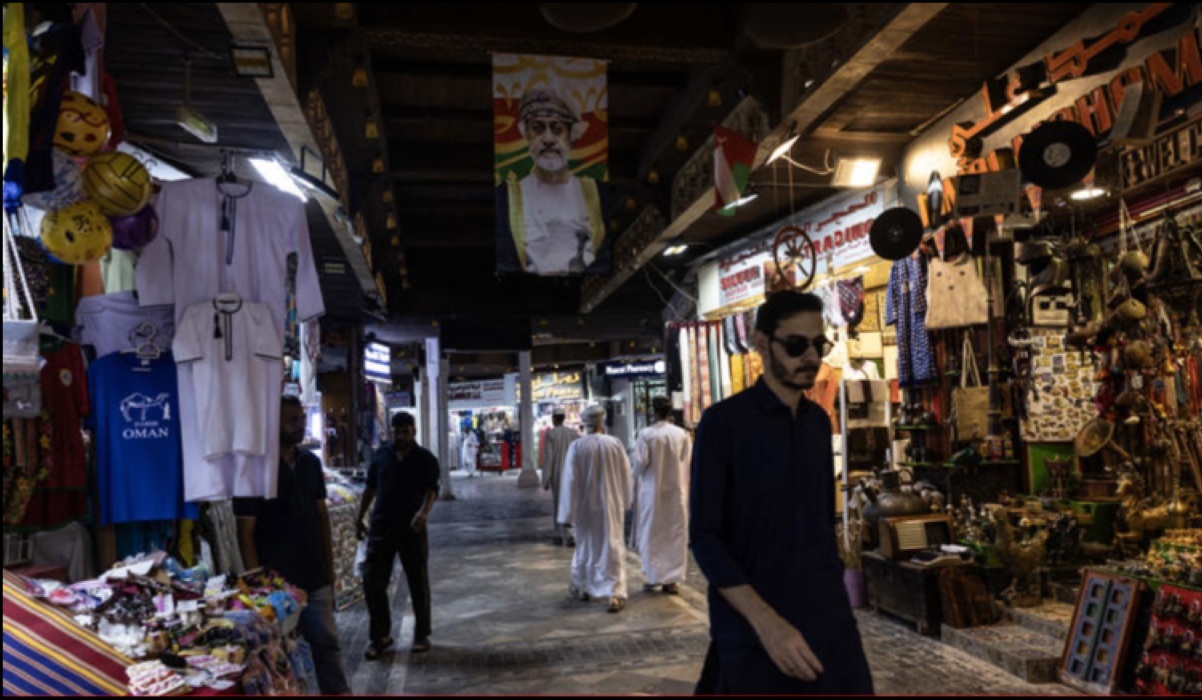
Omani citizens are left bewildered. In their culture, boasting or aggressive threats are highly taboo. For a long time, this small nation at the southeastern tip of the Arabian Peninsula has been known for its hospitality, natural beauty, and reputation as a neutral state amidst the complexities of the Middle East.
Last February, Omani Foreign Minister Badr Albusaidi mediated three rounds of negotiations between the United States and Iran. Following a meeting in Geneva on 26 February, Albusaidi reported significant progress. However, just one day after he stated that a peace agreement was close, the US and Israel began bombing Iran, triggering a war that has lasted for more than six months.
Trump’s threat on 17 August felt particularly shocking because the tentative peace framework he signed with Tehran in June specifically tasked Oman with conducting dialogues with Iran regarding the future of the Strait of Hormuz.
Oman, led by Sultan Haitham bin Tariq since 2020, has long built a reputation as the ‘Switzerland of the Middle East’. The foreign policy established by his predecessor, Sultan Qaboos bin Said, was to be “a friend to all, an enemy to none.”
Oman has acted as a mediator in various crises, ranging from the Iran-Iraq War in the 1980s and the Qatar blockade to the civil war in Yemen. However, this role has frequently drawn criticism from other Arab neighbours who desire a firmer stance against Iran.
Experts argue that Trump’s frustration is rooted in the perception that Oman is too close to Iran. Tyler Parker, an assistant professor of political science at Mercer University, noted that Trump dislikes Oman’s role in the 2015 Iran nuclear deal, which was perceived as detrimental to the US.
Furthermore, rumours have emerged that Oman is open to a toll system for ships passing through the Strait of Hormuz—a claim refuted by Muscat but which previously incited anger in Washington.
Despite the threats, US-Oman relations are actually very deep. The two nations share annual trade worth approximately US$4 billion. There is even a Trump-branded golf course project worth US$500 million scheduled to open in Oman in 2028.
However, public sentiment in Oman is beginning to shift. Boycotts of US businesses have increased since the conflict in Gaza broke out. Omani citizens are now questioning whether their policy of silence and neutrality remains effective in an era of aggressive political rhetoric.
“We do not beat the drum loudly because that is not the Omani way,” said Baabood. “But we know that causes people to misunderstand us. Perhaps it is time for us to tell our story a little louder.”
Oman has postponed a regional meeting in Salalah intended to discuss new maritime routes in the Strait of Hormuz. The delay occurs amidst heightened tensions between Iran and the Gulf states.
President Masoud Pezeshkian has asserted that Iran is ready to reopen the Strait of Hormuz if the US implements the Islamabad Memorandum (the lifting of sanctions and cessation of the war in Lebanon).
Iran and Oman continue to negotiate the security mechanism for the Strait of Hormuz, even as the situation intensifies following US cancellations of ceasefires and subsequent attacks.
The Iranian government has set seven requirements that the United States must meet before the Strait of Hormuz can be reopened.
A merchant vessel was recently attacked in the Strait of Hormuz near Qeshm Island, resulting in one fatality. The incident occurred amidst escalating Iran-US tensions.
Iran, Iraq, and the Gulf states are scheduled to hold a meeting in Oman on 14 September 2026. Discussions in Salalah will focus on establishing safe routes for commercial shipping in the Strait of Hormuz.
Donald Trump predicts that the war with Iran will end after the US mid-term elections. A total blockade of ports by the US Navy remains a key component of the economic pressure exerted on the Tehran regime.
Source: jawawa.id (https://jawawa.id/newsitem/donald-trumps-bomb-threat-why-is-oman-now-under-threat-1789372415)
Originally published by Media Indonesia (https://mediaindonesia.com/internasional/933164/ancaman-bom-donald-trump-mengapa-oman-kini-terancam), translated from Indonesian