
Dompu Receives 3,000 Rabies Vaccine Doses from Central Government
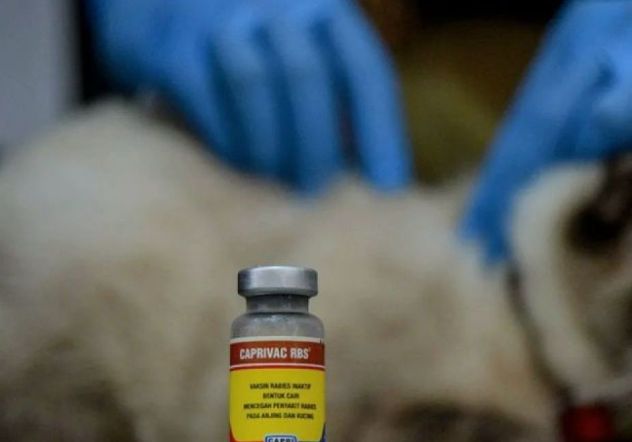
The Dompu Regency Government in West Nusa Tenggara (NTB) has received 3,000 doses of rabies vaccine from the central government in 2026. The move is a strategic effort to reduce rabies transmission, which remains a serious threat in the region.
Head of the Dompu Regency Livestock and Animal Health Service, Ilham, stressed that vaccination of rabies-transmitting animals (HPR), particularly dogs, is a key instrument in protecting the public from the risk of fatal bites. However, he noted that the current amount of assistance is still far from ideal.
Based on data from the relevant service, the HPR population in Dompu Regency is estimated at 10,000 animals. With 3,000 doses, vaccination coverage has only reached 30 percent, while public health safety standards demand a higher figure.
“For rabies control, the safe point must reach 70 percent of HPR vaccinated from the total population. The number of doses we currently have is still far from sufficient,” Ilham said in Dompu on Friday (15/8).
In addition to limited vaccine stocks, Ilham highlighted operational constraints. The central government assistance has not been accompanied by support for field implementation costs. Therefore, cross-sector collaboration and regional budget support are needed so that the vaccination process can run optimally.
Rabies control in Dompu faces cultural and behavioural challenges among animal owners. Ilham revealed that many residents still allow their pet dogs to roam without supervision, especially after the harvest season.
“The habit of people bringing dogs home after harvest and then letting them roam is the main obstacle. Owners must be responsible, ensuring their animals are tied up or caged, and regularly receive medical care,” he added.
In addition to vaccination, the regional government is also carrying out control procedures for wild HPR or animals showing clinical symptoms of rabies in accordance with applicable animal health protocols.
The urgency of rabies handling is reinforced by data from the Dompu Regency Health Service. Head of the Disease Prevention and Control Division, Hj. Maria Ulfah, reported that up to July 2026, 488 cases of HPR bites had been recorded in the area.
Maria confirmed that all bite victims have received medical treatment at local community health centres, ranging from washing wounds with soap to administering Anti-Rabies Vaccine (VAR) for humans.
“The availability of medicines and vaccines for bite victims is currently still sufficient. However, treatment alone is not enough. There must be upstream prevention measures through population control and HPR health in the field,” Maria explained.
She emphasised that rabies handling requires collective synergy involving the TNI, Polri, village governments, urban wards, and the active participation of all levels of society to create an environment safe from the threat of rabies.