
Dompet Dhuafa Presents ZISWAF as Poverty Alleviation Model at World Bank Forum
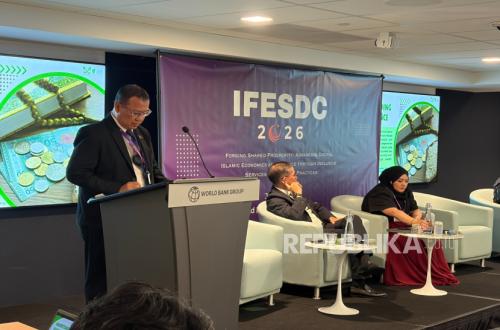
The World Bank hosted a global conference in Washington, D.C., where Dompet Dhuafa Chairman Ahmad Juwaini presented the role of Islamic social finance in achieving social welfare. Speaking at the IFESDC 2026 forum, he emphasised the importance of Zakat, Infaq, Sadaqah, and Waqf (ZISWAF) instruments as a key pillar of the economy that complements the commercial sector in eradicating poverty. Juwaini explained that Islamic social finance acts as a wealth redistribution instrument to meet basic societal needs, alleviate poverty, and realise social justice. He noted that integrating social funds with commercial and microfinance schemes—through blended finance—can drive sustainable community self-reliance. The synergy of ZISWAF and microeconomic strengthening, he said, can break the chain of usurious transactions, empower micro, small, and medium enterprises (MSMEs), and encourage beneficiaries (mustahik) to become zakat payers (muzaki). Throughout 2025, Dompet Dhuafa recorded fundraising of Rp 426.3 billion and disbursed Rp 425.9 billion, impacting more than 2.82 million beneficiaries across Indonesia through programmes in education, economic empowerment, and health. Juwaini stressed that the success of social finance instruments is crucial in supporting national development targets as outlined in the National Medium-Term Development Plan (RPJMN) 2025–2029. The IFESDC 2026 conference was attended by over 200 delegates, including regulators, policymakers, academics, and global Islamic finance practitioners.