
Domino Effect of War and Climate Change, Food Prices Rise 50 Percent
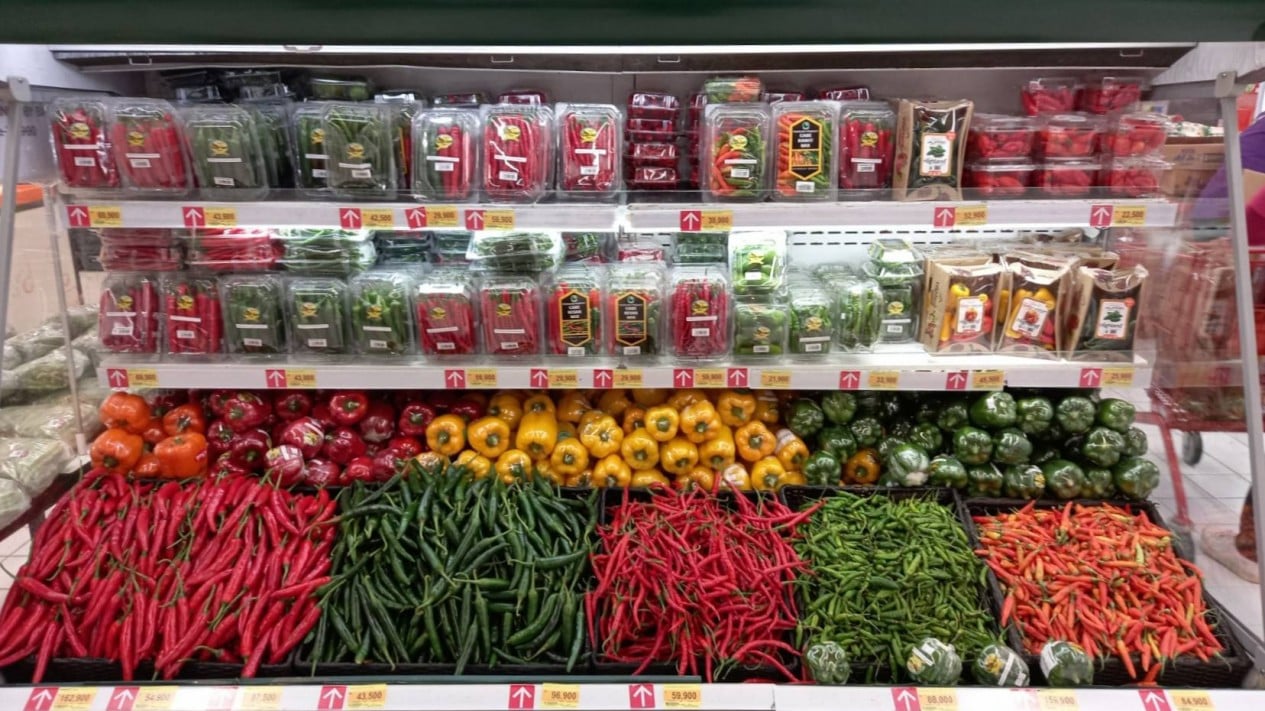
The surge in global food prices is once again in the spotlight amid ongoing pressures from the cost-of-living crisis. The rise in food commodity prices is not only affecting developing countries but also striking advanced nations like the UK.
This situation illustrates that the world’s food system is facing immense pressure from various angles, from climate change to geopolitical turbulence.
In recent years, people in various countries have had to adapt to steadily rising prices for staple goods. Moreover, this trend is expected to persist in the near future. Recent research indicates that food price increases could become even sharper, worsening household burdens and heightening the risk of broader economic crises.
According to an analysis by the think tank Energy and Climate Intelligence Unit (ECIU), food prices in the UK are projected to soar by up to 50 percent by November 2026 compared to levels at the start of the cost-of-living crisis in mid-2021. This surge is described as a “grim milestone” because the price increases that would normally occur over nearly two decades are now happening in just around five years.
The price hikes are triggered by a combination of various factors, ranging from extreme weather due to climate change, global supply chain disruptions, to dependence on fluctuating oil and gas prices.
Several staple foods have recorded significant increases. Products such as pasta, frozen vegetables, chocolate, eggs, and beef have seen price rises between 50 percent and 64 percent. Even olive oil has jumped more sharply by 113 percent, reflecting high sensitivity to energy costs, synthetic fertiliser, and climate impacts like droughts and heatwaves.
The impact of these price increases is also directly felt in household spending. From 2022 to 2023, the average household food shopping cost rose by £605, equivalent to around Rp13.9 million (assuming an exchange rate of Rp23,000 per pound). Of this amount, approximately £244 or Rp5.6 million was driven by energy price surges.
Food inflation pressures are further exacerbated by several commodities affected by climate change, such as butter, milk, beef, chocolate, and coffee. Prices for these items have risen more than four times faster than other food products, making them the main drivers of food inflation.
Source: jawawa.id (https://jawawa.id/newsitem/domino-effect-of-war-and-climate-change-food-prices-rise-50-percent-1777892037)
Originally published by VIVA.co.id (https://www.viva.co.id/bisnis/1896320-efek-domino-perang-dan-perubahan-iklim-harga-pangan-naik-50-persen), translated from Indonesian