
Dominated by CPO and Palm Oil Derivatives, Rail-Based Services Support Industrial Supply Chain, Exports, and B50 Biofuel Readiness
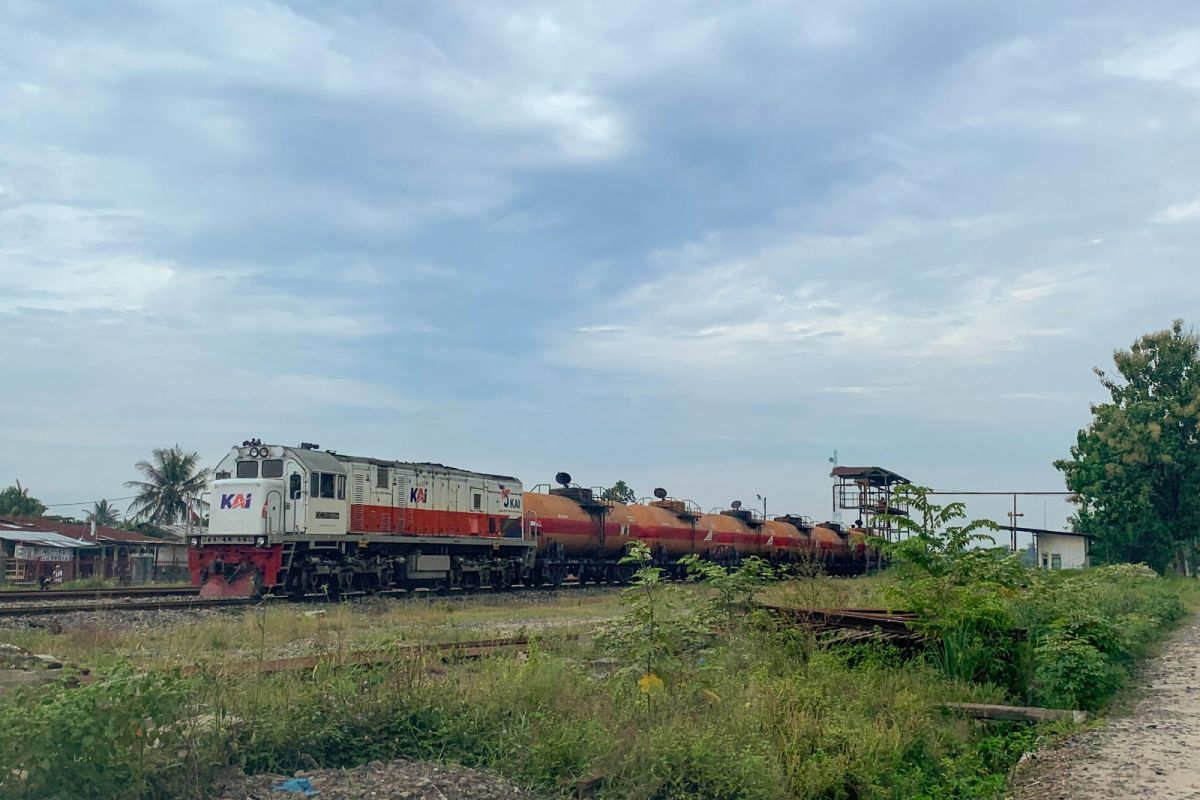
Jakarta - PT Kereta Api Indonesia (Persero) recorded plantation freight services totalling 324,579 tonnes in the first semester of 2026. This figure represents a 17.83% increase compared to the 275,475 tonnes recorded in the first semester of 2025, an addition of 49,104 tonnes. The majority of plantation commodities served by KAI consist of crude palm oil (CPO) and palm oil derivative products. These commodities are strongly linked to the processing industry, inter-regional trade, exports, and the demand for bioenergy raw materials. KAI’s Vice President of Corporate Communication, Anne Purba, stated that the increase in plantation freight volume demonstrates the business sector’s need for consistent, high-capacity logistics services connected to production hubs, industry, and ports. “Plantation commodities, especially palm oil, play a vital role in economic activity across various regions. Smooth distribution helps maintain the supply of industrial raw materials, supports exports, and strengthens the competitiveness of Indonesian commodities,” Anne said. According to Anne, the role of commodity distribution is increasingly relevant alongside the strengthening of industrial downstreaming and the direction of national energy policy. The need for bioenergy raw materials, including supporting the readiness for B50 biodiesel utilisation, requires a reliable supply chain so that the movement of commodities from production areas to processing points can be more systematically planned. “The national energy agenda requires strong logistical support. When the demand for bioenergy raw materials increases, including in preparation for B50, the distribution of CPO and its derivative products needs to be supported by an efficient, consistent, and connected logistics system,” Anne stated. In various regions of Sumatra, rail-based plantation logistics services play a role in connecting production areas with processing industries and ports. The movement of these commodities supports business activities, maintains supply continuity, and impacts the economies of regions dependent on the plantation sector. From a sustainability perspective, railways offer added value by being able to serve large volumes in a single journey. This distribution model helps reduce the burden on heavy vehicles on roads, supports energy efficiency per tonne of goods, and strengthens more measurable logistics options for high-volume commodities such as CPO and its derivatives. Anne added that the improvement in plantation freight services is a positive signal for national logistics. Stronger connectivity between production areas, processing industries, and ports will help the flow of goods run more efficiently and strengthen Indonesia’s position in the global plantation commodity supply chain. “KAI will continue to strengthen logistics services to support the nation’s productive sectors. Through railways, the distribution of plantation commodities can take place more efficiently, support regional economies, and strengthen the supply chain of Indonesia’s strategic commodities, including those related to national bioenergy needs,” Anne concluded.