
Domestic Workers Protection Act Passed: A New Chapter in Safeguarding Household Workers
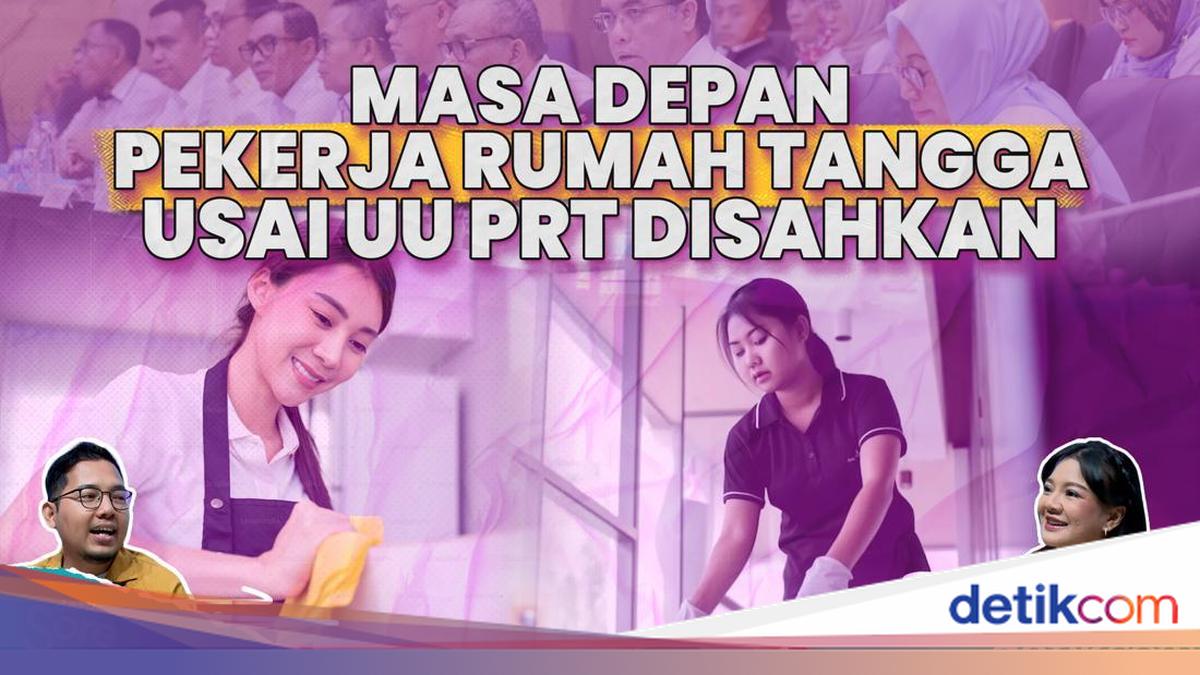
The House of Representatives (DPR), through a plenary session at the Senayan parliamentary complex in Jakarta on Tuesday (21/4/2026), finally passed the Domestic Workers Protection Bill (RUU PPRT) into law. The session was chaired directly by Deputy Speaker of the DPR, Sufmi Dasco Ahmad.
This aligns with the government’s commitment to strengthening human rights for domestic workers. Labour Minister (Menaker) Yasssierli stated that Decent Work for Domestic Workers, or decent work for household workers (PRT), is essential to provide protection for these workers. This protection relates to guarantees of fair wages, working hours and rest times, rights to holidays and leave, protection from discrimination, sexual violence, as well as guarantees of occupational safety and health.
“The government strongly agrees to include domestic workers as having the status of general workers who receive rights in accordance with their dignity and human dignity,” he said in a written statement, quoted from detikFinance on Tuesday (21/4/2026).
Meanwhile, DPR member from the Golkar faction, Nurul Arifin, assessed that this law will become one of the instruments to protect women in the workforce. Quoting detikNews, Nurul stated that the new regulation is a form of the state’s bias towards women as a vulnerable group.
“I view the presence of the PPRT Bill as a concrete step by the state in translating the spirit of Raden Ajeng Kartini into policies that favour vulnerable women’s groups, especially domestic workers,” said Nurul Arifin, quoted from detikNews on Tuesday (21/4/2026).
There are 12 crucial points contained in this new regulation. Two of the most highlighted aspects are the matter of workers’ age. The law states that parties under 18 years of age or already married who work or have worked as PRT before this law takes effect are given exceptions and their rights as PRT are still recognised. The second is the matter of wage protection.
What are the challenges in implementing this new regulation at the household level? Follow the discussion with Tadjudin Effendi, an expert in labour from UGM.