
Domestic Coal Supply Deemed to Require New Scheme, Aspebindo Reveals Reasons
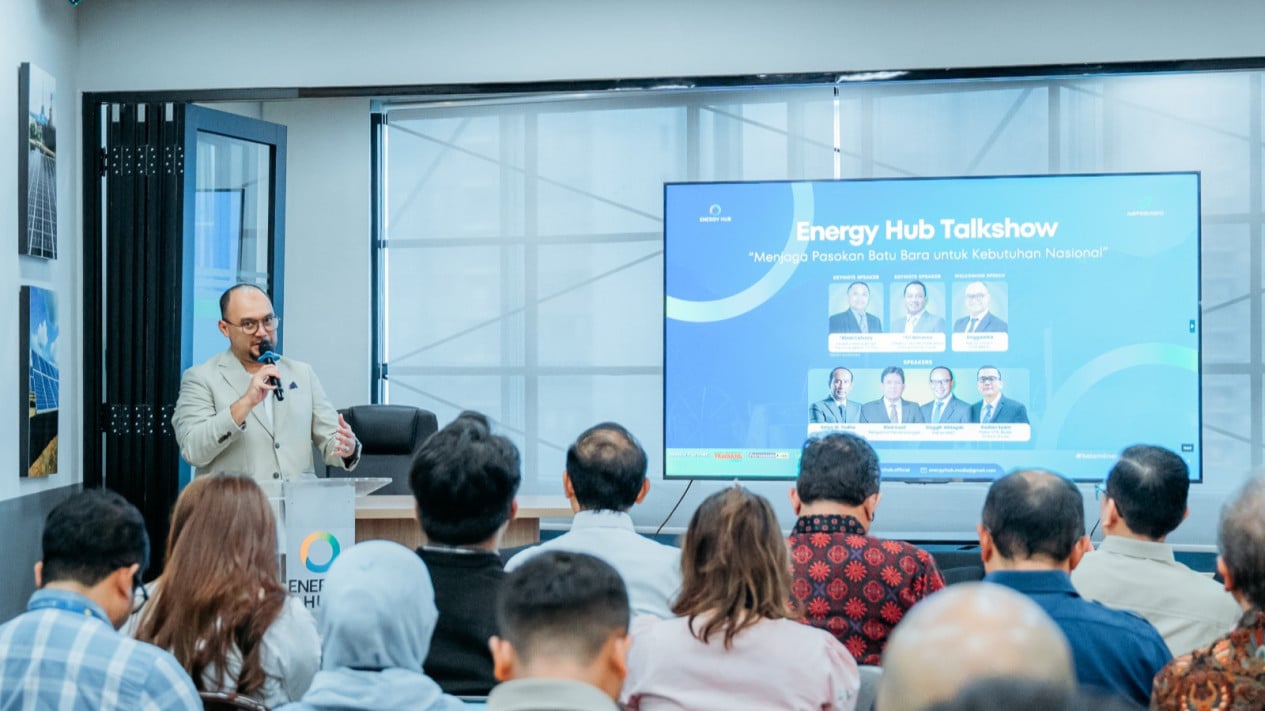
The General Chairman of the Indonesian Energy, Mineral and Coal Suppliers Association (Aspebindo), Anggawira, assesses that fulfilling coal supply for domestic needs remains a recurring problem year after year. According to Anggawira, these challenges are becoming more complex because national energy demand continues to increase, while businesses face rising production costs. Meanwhile, the price of coal for the Domestic Market Obligation (DMO) has not changed for the past eight years.
This was conveyed by Anggawira during a discussion titled ‘Safeguarding Coal Supply for National Needs’. ‘The issue of coal supply, in our view as business actors, is indeed a challenge every year. At the same time, the DMO price has not been adjusted for eight years, while production costs continue to rise. This is a dilemma,’ said Anggawira in a written statement on Thursday, 9 July 2026.
He explained that adjusting the DMO price cannot be done simply. If the coal price for power generation is increased, the basic cost of electricity supply could also potentially rise. This situation is particularly sensitive because the government has committed not to increase electricity tariffs for the public. Currently, the DMO coal price for the national electricity sector is set at USD 70 per tonne, while the DMO price for industrial sectors such as smelters, cement, and fertiliser is USD 90 per tonne.
‘If the DMO price is raised, the selling price of electricity will certainly be affected. Moreover, the government has stated it will not adjust electricity tariffs,’ he said. Therefore, Anggawira is encouraging the government to prepare a new approach to safeguard domestic coal supply. He argued that the policies formulated must be able to maintain a balance between supply certainty, the capabilities of business actors, and the sustainability of the national electricity sector.
One scheme he believes could be considered is a funding mechanism similar to that applied in the palm oil industry. Through such a scheme, levies or contributions are collected and then managed to support the sector’s sustainability and maintain the stability of its industrial ecosystem.