
Domestic Coal Priorities and National Energy Resilience Strategy
Geopolitical uncertainties worldwide in recent years have underscored that energy is not merely an economic commodity but the foundation of national sovereignty. Supply chain disruptions, regional conflicts, and rivalries among producer nations have repeatedly triggered surges in global energy prices and pressured economic stability.
In this context, countries with control over their energy resources are better positioned to maintain stability, while those dependent on global markets become more vulnerable. For Indonesia, this raises a strategic question: should coal be prioritised for domestic needs, not just for electricity, but also for energy resilience, industry, and economic sovereignty?
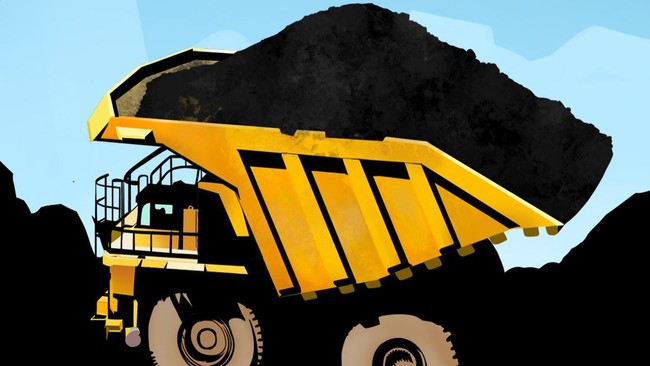
Indonesia is one of the world’s largest coal producers. National production reaches hundreds of millions of tonnes annually, with much of it exported. Meanwhile, domestic energy demands continue to rise with economic growth and industrialisation.
The national electricity system remains heavily reliant on coal as a baseload source capable of providing stable, large-scale power supply. Yet, Indonesia still depends on imports of oil, LPG, and various industrial raw materials. This is the recurring paradox: resource-rich, yet not fully sovereign in its utilisation.
In modern energy systems, a strong baseload is essential for stability. New and renewable energy sources like solar and wind hold great potential but are intermittent and require robust storage and grid support.
Gas can serve as a transitional source, but it remains subject to price fluctuations and infrastructure dependencies. Under these conditions, coal continues to be the backbone ensuring the reliability of the national electricity system. Without a guaranteed coal supply, electricity stability becomes more vulnerable, with direct impacts on industry and the economy.
However, coal’s role extends beyond power generation. In the context of national resilience, coal can also serve as a strategic feedstock for energy and chemical industries. Developing coal gasification to produce dimethyl ether or DME as a substitute for LPG is a tangible example.
Each year, Indonesia spends a substantial budget on LPG imports, much of which is used by households. If a portion of this demand is replaced by domestically produced DME from coal, pressure on the trade balance and state budget could be significantly reduced. Besides DME, coal can be processed into methanol, ammonia, and various other derivatives. These products offer far higher added value than exporting raw coal.
Developing downstream coal industries can also strengthen the national industrial structure, create jobs, and reduce dependence on imported strategic raw materials. Countries that have successfully built industrial strength always ensure their natural resources are not just exported but processed for domestic benefit.
In an increasingly uncertain global situation, the idea of prioritising coal for national needs becomes ever more rational. Domestic priority does not mean halting exports but ensuring that domestic requirements, especially for electricity and strategic industries, take precedence over global market interests.
This principle aligns with the constitutional mandate that natural resources must be utilised as much as possible for the prosperity of the people. When energy needs increase while production is diverted abroad, national resilience becomes vulnerable to external fluctuations.
In the short term, the most urgent step is to ensure that coal needs for domestic power plants are met without reliance on international markets. Domestic supply obligation policies must be implemented consistently to keep the electricity system stable.
The government also needs to accelerate coal downstream projects, particularly for DME and basic chemicals, to curb energy and industrial raw material imports. Strengthening strategic energy reserves is crucial to provide response capacity during global disruptions.
In the medium term, domestic priorities must be accompanied by infrastructure strengthening and energy diversification. Coal can remain the primary baseload, but the development of gas, geothermal, hydropower, and solar must be accelerated to create a more balanced system.
Integrating the national electricity grid, building energy storage, and bolstering downstream industries will make the energy system more resilient. At the same time, advancing clean coal technologies and efficiency is necessary to ensure its use aligns with environmental commitments.
In the long term, this strategy must be part of a vision for energy and industrial self-reliance. Indonesia cannot suffice with merely possessing resources; it must master technology, industry, and financing.
Developing gasification, petrochemical, fertiliser, and synthetic fuel industries will determine whether Indonesia can achieve sovereignty in the energy sector or remain dependent on others. Energy resilience ultimately is not determined by reserves but by the ability to control the entire value chain.
Of course, policies prioritising domestic needs require political courage and meticulous planning. Considerations such as state revenues from exports, trade relations, and investment needs must be managed carefully. However, in an increasingly uncertain world, many countries are placing national interests above market ones. Energy is positioned as a strategic instrument, not merely a commodity.
Ultimately, the question of whether coal should be prioritised is not about the past but the direction of the future.