
Dollar Slumps, Gold Price Surprises with Sudden Surge
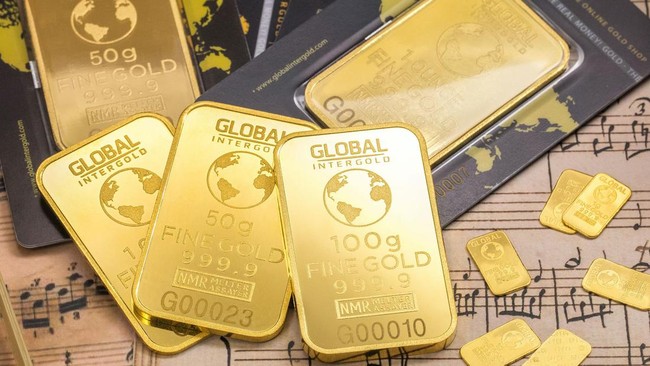
Gold prices strengthened, supported by a weakening US dollar after United States inflation data came in line with expectations. This condition increases the likelihood that the Federal Reserve will hold interest rates steady next month.
Citing Refinitiv, gold prices at the close of trading on Friday (14/8/2026) settled at US$ 4,375.89 per troy ounce. The price strengthened by 0.59%. This increase was welcome news after prices fell 1.29% on Thursday.
Over the week, gold prices rose 0.79%. This gain extends the positive trend for gold, which has now strengthened for two consecutive weeks.
"A lower US dollar index is an external factor supporting gold prices today," said Jim Wyckoff, market analyst at American Gold Exchange, as quoted by Refinitiv.
The US dollar index fell to 99.67, its lowest position in six days, making dollar-denominated gold cheaper for buyers outside the US.
Gold also received support from an unexpected decline in US nonfarm payrolls in July, as well as this week’s inflation data, which was generally in line with expectations.
These conditions significantly reduced expectations of a rate hike next month. The majority of analysts now expect the US central bank to maintain interest rates in the 3.50%-3.75% range.
Data from the CME FedWatch Tool shows the market now sees only a 33% chance of a rate hike in September, down from 55% the previous week.
"Since we expect the Fed will not raise interest rates, gold prices still have the potential to rise again," said Commerzbank.
Lower interest rates tend to support gold, as the precious metal is a non-yielding asset.
On the other hand, shipping traffic through the Strait of Hormuz appeared to have nearly ground to a halt after two more vessels were attacked. The United States also said it could maintain a naval blockade against Iran indefinitely.
Oil prices are poised to record a weekly gain due to these developments.
"If oil prices continue to rise, that will be a negative factor for the metals market because it could drive inflation and prompt central banks to raise interest rates," said Wyckoff.