
Does the Iran War Threaten US Superpower Status?
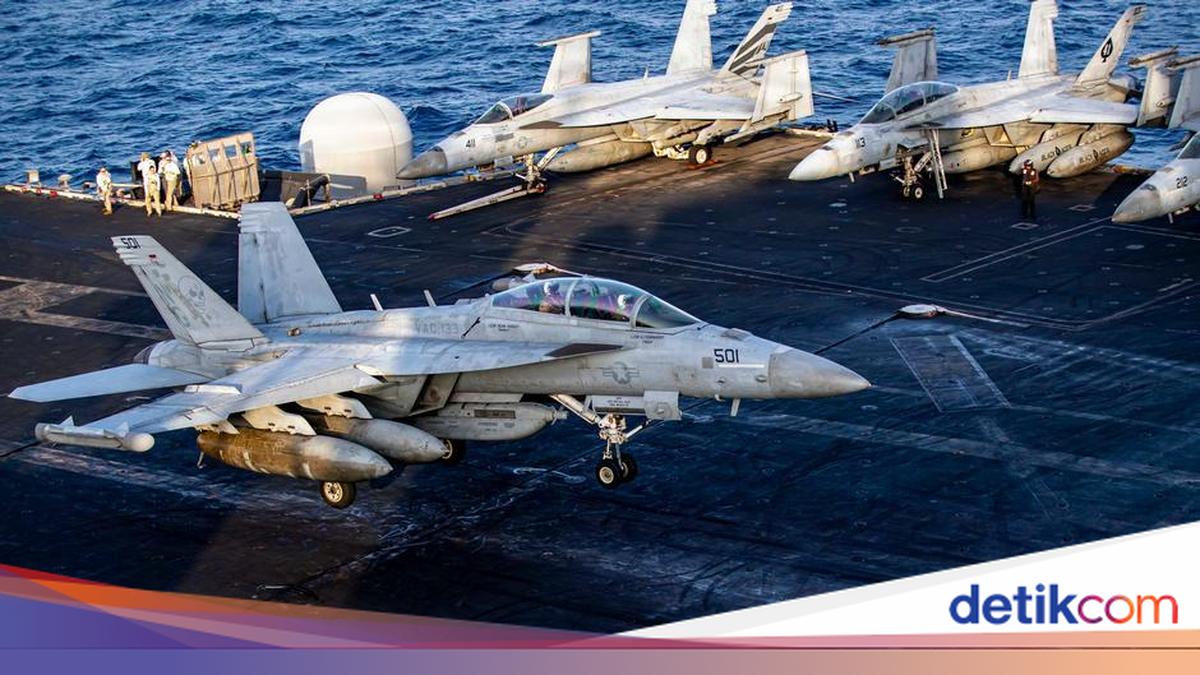
President Donald Trump announced a deal with Iran to end the conflict he initiated alongside Israel more than three months ago, declaring, “Ships of the world, start your engines.” In a post on Sunday (14/06), Trump also stated he had “fully authorised” the reopening of the Strait of Hormuz without cost. “Let the oil flow!” he added.
The US and Iran are scheduled to sign a memorandum of understanding in Geneva, Switzerland, this week. Although details remain secret, Trump later said the strait would be “fully opened” only after the deal is signed. However, unconfirmed reports from pro-government Iranian media suggest Tehran’s future role regarding the strait remains under negotiation. The Fars news agency reported that the issue of “Iranian-Omani sovereignty over the Strait of Hormuz” was introduced into the talks at the last minute, while also claiming the United States had “accepted” the payment of fees to Iran. When asked for clarification on Monday (15/06), US Vice President JD Vance told CNBC that Washington “expects the strait to be opened without levies in the long term,” adding that “this will be discussed further in technical negotiations.”
The Iran war demonstrates the limits of US power. Despite the lack of transparency surrounding the deal, it is clear the US could not fully dictate terms regarding the Strait of Hormuz to Iran, even with its overwhelming military superiority. Iran’s ability to use drones, mines, and small boats to halt maritime traffic highlighted the limitations of American power in guaranteeing freedom of navigation and the smooth flow of global trade. “The Iran war showcased America’s extraordinary military superiority, but also its inability to convert that superiority into strategic victory,” said Rebecca Lissner, a senior fellow in US foreign policy at the Council on Foreign Relations. “This is a blow to America’s image as a global superpower and weakens its position as the guarantor of freedom of navigation. The war leaves the US in a weaker position than when the conflict began.”
When launching the war, Trump set goals including “annihilating” Iran’s conventional navy. This target was largely met, with the Centre for Strategic and International Studies (CSIS) assessing that “Iran lost most of its naval capability in less than 10 days.” However, Iran did not need a conventional fleet to disrupt traffic in Hormuz. Asymmetric drone attacks on energy facilities in the Gulf region proved effective as a deterrent against US escalation, and Iran’s proxies in Yemen and Lebanon remain a threat. US and Israeli air strikes also decimated much of the Islamic Republic’s leadership and military capabilities. Meanwhile, the conflict worsened conditions for Iranian civilians, who had previously faced a harsh crackdown while protesting the government. Trump has not mentioned their fate or the idea of “regime change” since the conflict began. Regionally, Tehran’s relations with Gulf states have also deteriorated, signalling potential prolonged instability. Gulf nations are now questioning the reliability of the US security umbrella after their civilian and energy infrastructure proved vulnerable.
Moving forward, the main strategic issue remains the Strait of Hormuz, with the world waiting to see if the US will grant Iran some degree of control over the shipping lane. “Even if the deal succeeds in reopening the strait, Iran now has bargaining power it did not possess before,” Lissner said. “The United States has demonstrated that it is either unable or unwilling to force Iran to open the strait. This means the world must live with the risk that Iran could close it again at any time.” Having successfully disrupted global energy supplies for months, it remains unclear why Iran would relinquish this advantage without compensation. One widely reported point is the possibility of Iran receiving around 12 billion US dollars from its frozen funds even before nuclear talks begin, essentially as a reward for opening the strait. However, the US has denied this. While global markets are breathing a sigh of relief, doubts persist about whether shipping in Hormuz will truly return to normal. “The deal appears to potentially formalise Iranian control over the strait, opening the door for Tehran to levy fees on passing ships,” Lissner said. “Perhaps that is why Trump has so far not released the text of the agreement, so its contents cannot be verified.”
For decades, American power rested on military superiority and a commitment to what it called a rules-based order with its allies. In the context of global trade, this meant the US guaranteed freedom of navigation and the smooth distribution of goods, including oil. The United States designed this global system and benefited the most from it. However, Donald Trump has long been sceptical, viewing it as a system that disadvantages America. This stance was reflected in erratic tariff policies last year, which continue to fuel global economic uncertainty despite some being rescinded. The 2015 nuclear deal with Iran, negotiated by the Obama administration, exemplified a US-led multilateral approach, involving close cooperation with European allies as well as China and Russia. Though imperfect, this approach allowed pressure on Iran to be applied gradually and in a coordinated manner, while preventing open conflict. Trump scrapped that deal in 2018 and apparently remains convinced that military pressure can force Iran into an agreement.