
Does Sweet Tuak Contain Alcohol? Here Is the Explanation
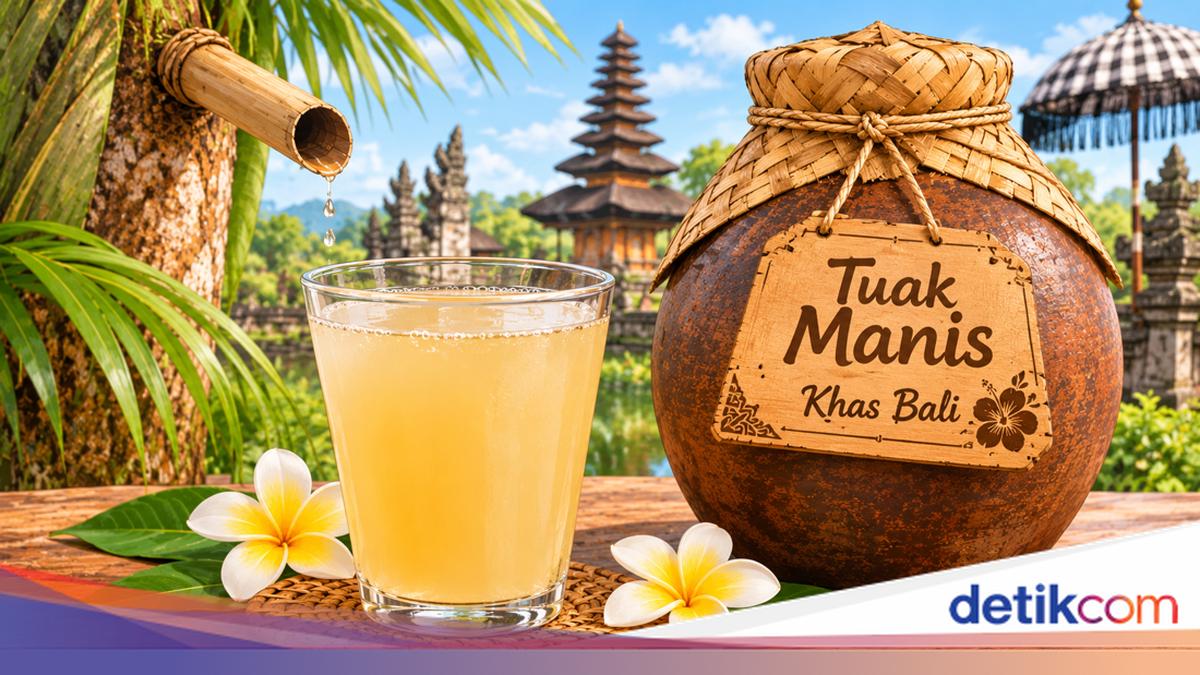
Tuak manis is a traditional drink made from sap tapped from the sugar palm. It can be found in several areas, including Bali, Lombok and Sulawesi. So, does sweet tuak contain alcohol?
As its name suggests, freshly tapped tuak manis tastes fresh and sweet. People in Lombok call the sap tuak manis. The sap is collected by tapping the male flowers of the sugar palm. Tuak can also be made from other trees, such as coconut and palmyra palms.
The raw ingredients for Balinese tuak are similar. On the island, tuak is made from sap tapped from sugar palm (jaka), coconut (nyuh) and palmyra (ental or siwalan) flowers. Konin, a sugar palm native to Indonesia, is found from southern China to the west coast of India.
From tapping to tuak
After the male flowers are cut, the dripping sap is collected in a container, usually made of bamboo. The cleanliness of the container matters: an unclean receptacle allows yeasts and bacteria to enter more easily, speeding up fermentation.
The sap should be processed promptly. One study says it should be processed no later than about 90 minutes after it leaves the bamboo container, unless it is kept in a refrigerator.
Balinese tuak has an interesting additional ingredient. Coconut fibre, or lau, is used as a natural preservative and also gives the drink a light brown colour.
The difference between sweet tuak and alcoholic tuak
Sweet tuak differs from alcoholic tuak because of fermentation. The yeast Saccharomyces cerevisiae converts sugar (glucose) into ethanol and carbon dioxide. If the process continues, the result eventually turns into vinegar.
Put simply, sweet tuak is fresh sap or sap that has undergone only limited fermentation. Alcoholic tuak is sap that has fermented for longer.
Research by Lidiawati and colleagues (2024) in Soppeng, South Sulawesi, tested sugar-palm sap kept at room temperature. No alcohol was detected in samples stored for four hours; samples stored for seven hours had an alcohol content of 9.5 per cent, while those stored for 10 hours reached 16 per cent. The seven- and 10-hour samples were classified as alcoholic drinks capable of causing intoxication.
The same pattern—in which the alcohol content of tuak rises over time—was observed in a study by Pradnyandari and colleagues (2017) on sugar-palm tuak in Bongkasa village, Badung, Bali. Ethanol content rose from 8.15 per cent on the first day to 11.6 per cent on the fifth day.
The taste and aroma of the tuak also changed. On the first day it tasted sweet and slightly sour, with a fresh aroma; by the fifth day it tasted very bitter and had a somewhat unpleasant smell.
Different results were recorded in Tabanan. Aryasa and colleagues (2019) tested sugar-palm tuak in Sanda village, Pupuan district, Tabanan, over seven days and found ethanol levels ranging from 4.8 to 5.2 per cent, with the highest level on the third day. The subsequent decline was attributed to some of the alcohol changing into other compounds, such as esters.
The findings of the three studies are not consistent. The samples, locations, storage periods and measurement methods also differed, so the alcohol content of tuak cannot be generalised. What all the studies have in common is that storage time affects tuak’s taste, aroma and alcohol content.
Tuak in Balinese culture
For Balinese people, tuak is more than a drink. Tuak, arak and brem are used in Hindu rituals as tetabuhan, or offerings to Bhuta Kala when presenting segehan. These offerings are made during mecaru and bhuta yadnya ceremonies, and are intended to maintain harmony between bhuana alit (the human body) and bhuana agung (the universe).
They also carry symbolic meaning. Arak and tuak represent the sacred syllable Ah-kara, while brem represents Ang-kara; together, the three are often interpreted as symbols of duality in Balinese philosophy.
During prayers, arak and brem are poured onto the ground at the beginning and end of the prayer. This is an act of respect for the different layers of the world, from the realms of the gods and ancestors to the underworld.
The sale of tuak in Bali
The Bali Provincial Government protects arak, tuak and brem through Bali Governor Regulation No. 1 of 2020 on the Governance of Balinese Fermented and/or Distilled Drinks. Promulgated on 29 January 2020, the regulation consists of nine chapters and 10 articles.
Governor Wayan Koster said the regulation was based on the view that arak, tuak and brem are part of cultural diversity that should be protected and harnessed for a culture-based economy. The protection covers Balinese tuak and arak, artisanal products, and arak or brem used in religious ceremonies. Producers, distributors and sub-distributors must hold permits.
Sales of traditional drinks in Bali are also restricted. They may not be sold at youth centres, by street vendors, at accommodation and campsites, or near places of worship, educational institutions, government offices and health facilities. Sales to minors and schoolchildren are also prohibited.
Source: jawawa.id (https://jawawa.id/newsitem/does-sweet-tuak-contain-alcohol-here-is-the-explanation-1793771462)
Originally published by detikBali (https://www.detik.com/bali/kuliner/d-8737683/apakah-tuak-manis-mengandung-alkohol-begini-penjelasannya), translated from Indonesian