
Does Frequent Seblak Consumption Trigger Ovarian Cysts? Here's What the Doctor Says
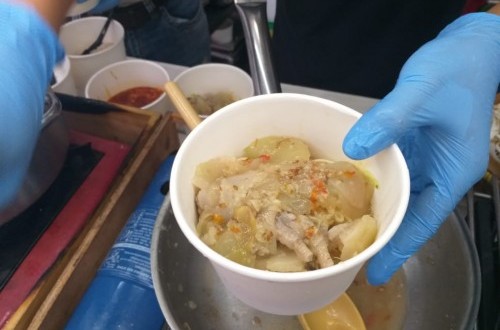
A viral video on TikTok shows a woman with a belly as large as a pregnancy, but who turns out to have an ovarian cyst. According to the young woman, the cyst she has was caused by eating seblak too often. So, is it true that excessive seblak consumption can trigger an ovarian cyst?
An obstetrician-gynaecologist, Dr I Gusti Ayu Sri Darmayani SpOG, said that to date there is no scientific journal proving that seblak consumption specifically can cause an ovarian cyst. According to her, an ovarian cyst is a multifactorial condition and more closely related to hormonal disturbances, the ovulation process, genetic factors, inflammation, and the body’s metabolic state.
Nevertheless, she emphasised that a diet low in fibre, high in saturated fat, and frequent consumption of ultra-processed foods is associated with increased systemic inflammation that could affect ovarian function. “Indeed, a diet high in processed foods and low in fibre, high in saturated fat, high in simple sugars, high in sodium, and ultra-processed foods are linked to increased systemic inflammation and oxidative stress which can affect ovarian function,” Dr Sri told Republika when contacted, on Wednesday (20/5/2026).
She disclosed that the most common trigger factors for an ovarian cyst are hormonal disturbances and ovulation. In a normal menstrual cycle, the follicle in the ovary matures and then ruptures to release the egg. If the follicle fails to rupture or fails to shrink after ovulation, fluid can accumulate and form a functional cyst.
Other triggering factors include obesity, ultra-processed diets, high sugar and fat intake; excess adipose tissue can disrupt the metabolism of reproductive hormones, increase chronic inflammation, and worsen insulin resistance, thereby affecting ovarian function.