
Doctors urge routine eye checks for diabetics to prevent blindness
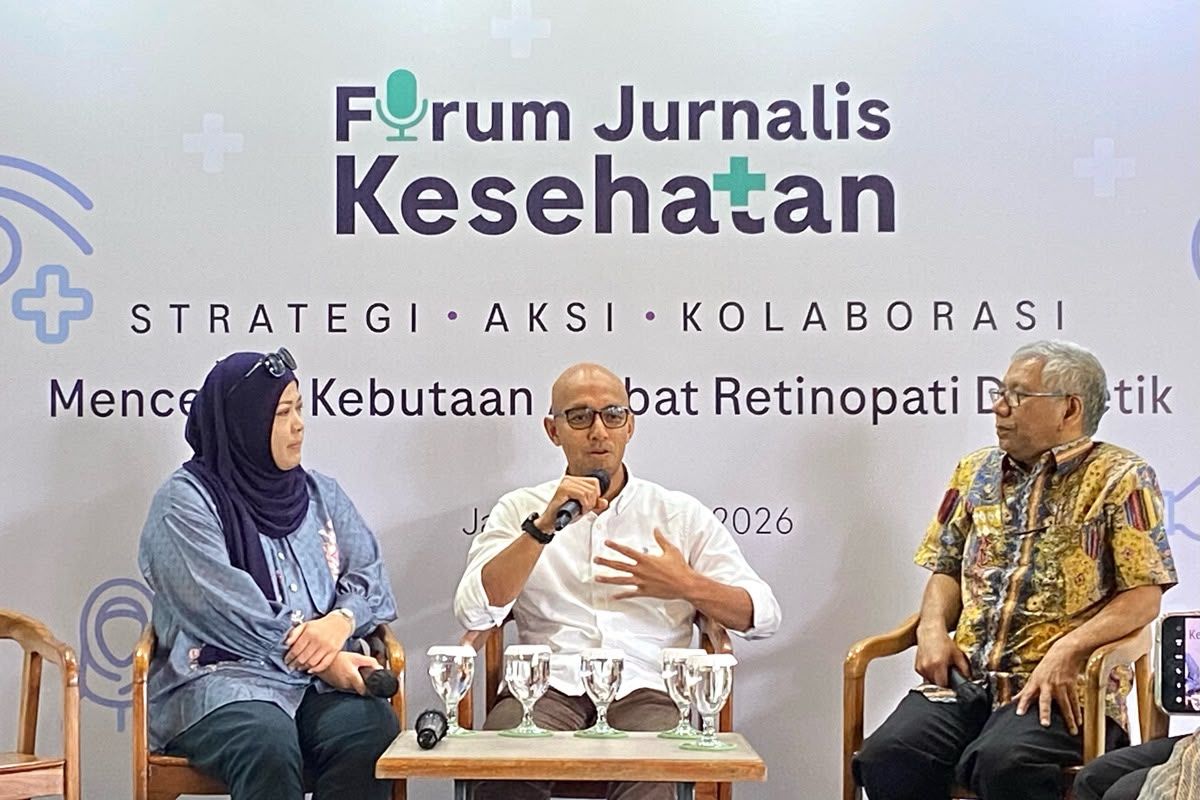
Jakarta - Doctors are urging people with diabetes to undergo regular retinal examinations to prevent diabetic retinopathy (DR), a complication affecting the retina’s blood vessels that often develops without early symptoms until it threatens vision.
Professor Dr Muhammad Bayu Sasongko, an ophthalmologist from Universitas Gadjah Mada, stated that diabetic retinopathy is one of the most common diabetes complications, yet it remains less recognised than heart or kidney complications. “Diabetic retinopathy is actually one of the most prevalent complications, but many patients assume vision decline is normal due to age or diabetes, so they only seek treatment when the condition is already severe,” Bayu said in Jakarta on Monday.
According to Bayu, the risk of diabetic retinopathy increases for diabetics who do not control their blood sugar, have hypertension, high cholesterol, or a smoking habit. The longer a person lives with diabetes, the greater the risk of retinal damage.
Based on an analysis of data from the Health Care and Social Security Agency (BPJS Kesehatan), approximately 5.2 million diabetics in Indonesia have already developed diabetic retinopathy, and around 1.2 million of them require further treatment such as laser therapy, injections, or surgery.
Therefore, Bayu urged diabetics to undergo periodic retinal screening even if they have not yet experienced vision problems. The examination can be performed through fundus photography or retinal imaging, which is now available in various types of devices, including portable units.
Professor Dr Em Yunir, Chairperson of the Indonesian Endocrinology Association (Perkeni), stated that blood sugar control remains the primary measure to slow retinal damage, but it must be accompanied by routine eye examinations.
Bayu noted that diabetic retinopathy cannot be fully reversed. However, if detected early, the progression of the disease can be slowed, thereby reducing the risk of severe vision impairment and blindness.