
Doctors Urge Pregnant Women to Consume Vitamins to Prevent Cleft Lip
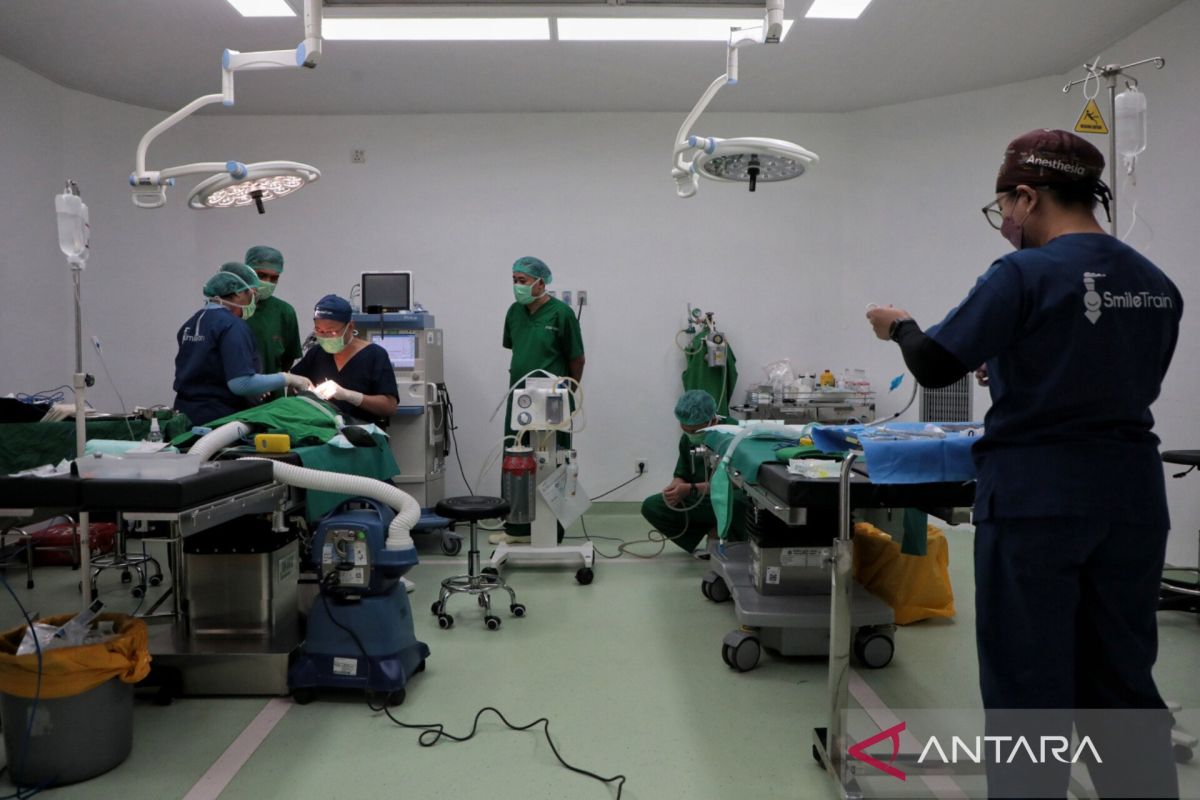
Juliette Pieter, Director of RSUD Tebet in South Jakarta, has urged pregnant women to routinely consume vitamins and maintain their physical condition to avoid excessive fatigue, aiming to help prevent the risk of babies being born with cleft lips.
“Cleft lip is not solely due to hereditary factors, but occurs because the embryonic formation does not fuse perfectly. It can also happen if the mother suffers from a deficiency in certain nutrients during pregnancy,” Juliette told reporters in Jakarta on Wednesday.
Juliette encouraged pregnant women to attend regular prenatal check-ups at Posyandu (integrated health posts) or Puskesmas (community health centres) to receive necessary health monitoring and supplements. “Attend check-ups at Posyandu or Puskesmas more diligently, as pregnant women will receive vitamins such as folic acid and blood-boosting tablets,” she added.
In addition to meeting nutritional needs, pregnant women are also advised to manage their physical condition to avoid overexertion during pregnancy. According to Juliette, preventative measures during pregnancy are crucial because cleft lips can affect a child’s ability to eat and speak, as well as their psychosocial condition as they grow up.
Meanwhile, Mimi, the parent of a patient undergoing cleft lip surgery, expressed gratitude that her child was given the opportunity to undergo the procedure. Mimi stated that her son, Faris, who is now thirteen months old, is undergoing his second stage of surgery following a previous lip operation. She discovered her son’s condition via an ultrasound at 24 weeks of pregnancy.
“I felt sad and devastated, but the family continued to provide support,” she said. According to Mimi, the free surgery programme is immensely helpful to families because the treatment process is faster than the regular route. “Through this programme, once the screening is passed, surgery can proceed immediately. It is much faster,” she noted.
She expressed hope that more similar assistance programmes would be available so that more children with cleft lips could undergo surgery and achieve a better quality of life. According to data from the Ministry of Health, cases of cleft lip and palate in Indonesia reach approximately 7,500 cases per year.