
Doctor Warns Against 'Kerokan' for Chest Pain
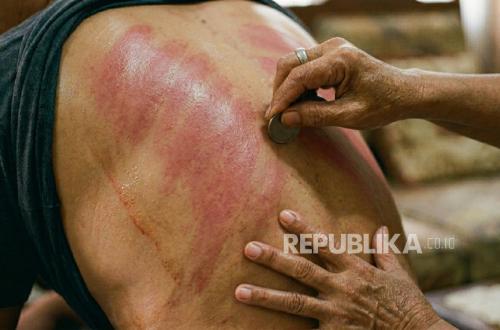
A cardiologist has warned that the traditional Indonesian practice of ‘kerokan’ (coin rubbing) should never be used as first aid for chest pain, as it can dangerously delay critical medical treatment. Dr Febtusia Puspitasari, Sp.JP, FIHA, FASCC, a member of the Indonesian Association of Cardiovascular Specialists (PERKI), explained that many people mistakenly believe the red marks appearing on the skin after kerokan indicate that trapped ‘wind’ has been released. In reality, the opposite is true biologically. ‘Do not do it, because when we perform kerokan, the surface blood vessels actually rupture. The redness is from the blood vessels. There are various types of blood vessels, including those deeper inside,’ she stated during a media briefing in Jakarta on Tuesday (9/6/2026). She further explained that the sensation of comfort and relaxation after kerokan is actually caused by the warming effect of the balm used, combined with psychological suggestion. While the warmth can dilate blood vessels, the effect is instantaneous and only occurs on the skin’s surface for a short period. This action does not address the underlying problem, especially if the pain is caused by a blockage in the heart’s blood vessels. ‘The balm is warm. When the body is warm, the blood vessels will dilate, but the effect is instant and not long-lasting. Unlike blood-thinning medications, which have a long-term effect, balms only provide a short-term effect,’ she said. If someone nearby suddenly complains of chest pain or shortness of breath, the key is not to panic. A noisy and panicked atmosphere can make the patient more anxious, which ultimately increases the workload on their heart. The first step is to calm the person down and make them comfortable, for instance by loosening their tie.