
Doctor Tifa Rejects Peace with Jokowi in Diploma Case Trial
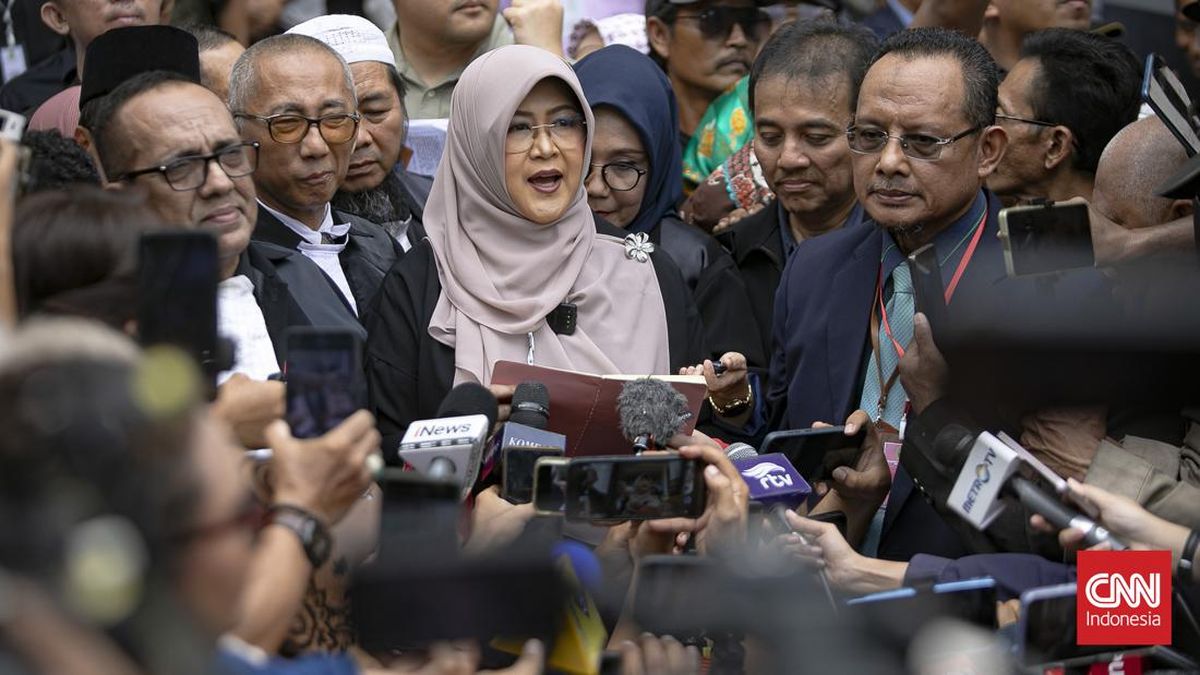
Defendant Tifauzia Tyassuma, known as Dokter Tifa, has rejected an offer to pursue a peace settlement in her first trial at the East Jakarta District Court on Thursday (2/7). She faces charges of alleged defamation and slander related to accusations of a fake diploma against Indonesia’s 7th President, Joko Widodo (Jokowi).
During the session, after the prosecutor read the indictment, the panel of judges explained a provision in the Criminal Procedure Code (KUHAP) that allows a defendant to seek restorative justice or a peace agreement because the criminal threat in the indictment is under five years.
“So, defendant, from the indictment that was read out earlier, there are several articles in the indictment that meet the provisions of Article 204 Paragraph 5, with a threat of under five years, so you can pursue or attempt a peace settlement with the victim,” the judge said.
“Then, if not, will you acknowledge the indictment in accordance with the provisions of Article 205 Paragraph 1 or 206 Paragraph 1, or will you submit a challenge?” the judge added.
Tifa was then given time to consult with her legal counsel. She subsequently stated her refusal of the restorative justice proposal.
“So, based on my consultation with my advocates, firstly, I will not undertake restorative justice,” Tifa said.
“Secondly, I will submit a challenge. Thirdly, I will not accept a plea bargain,” Tifa stated.
The judge then declared that the trial would be continued on Thursday (9/7) the following week.
During the session, the prosecutor indicted Tifa with a primary charge under Article 434 paragraph 1 in conjunction with Article 441 paragraph 1 in conjunction with Article 126 paragraph 1 of the Criminal Code. The subsidiary charge was under Article 433 paragraph 1 in conjunction with Article 441 paragraph 1 in conjunction with Article 126 paragraph 1 of the Criminal Code.
Tifa was also charged with a second primary indictment under Article 434 paragraph 1 of the Criminal Code. The second subsidiary charge was under Article 310 paragraph 1 of the Criminal Code, or Article 35 in conjunction with Article 51 paragraph (1) and/or Article 32 paragraph (1) in conjunction with Article 48 paragraph (1) of Law Number 11 of 2008 concerning Electronic Information and Transactions in conjunction with Article 126 paragraph (1) of the Criminal Code, or Article 32 in conjunction with Article 48 paragraph 1 of Law Number 11 of 2008 concerning Electronic Information and Transactions in conjunction with Article 126 paragraph (1) of the Criminal Code.