
Doctor states HPV vaccine remains effective for women who have given birth
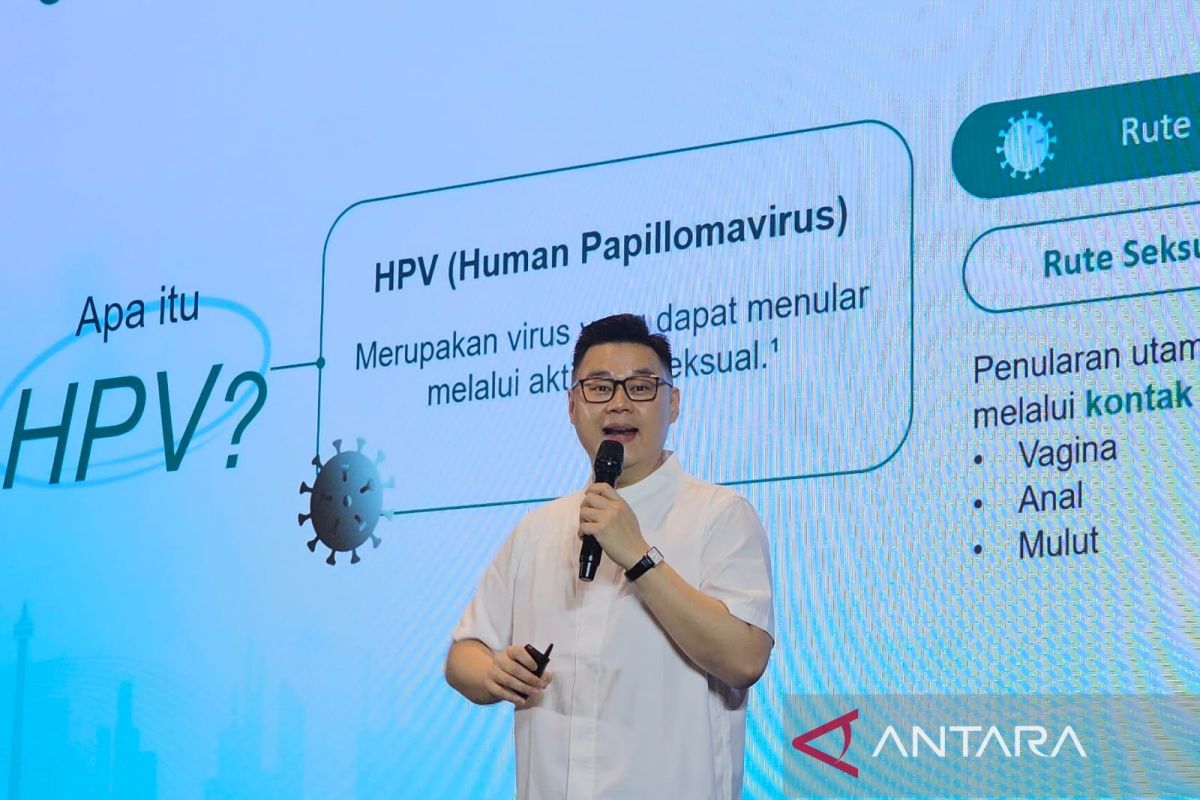
Jakarta (ANTARA) - Obstetrician and gynaecologist specialist Dr Darrell Fernando, Sp.OG, SubspFER, MRCOG, MM, MARS, stated that administering the Human Papillomavirus (HPV) vaccine remains effective for women who have given birth, particularly those of reproductive age, to prevent cervical cancer.
According to the doctor, who trained at the University of Indonesia in the subspecialty of Fertility and Reproductive Endocrinology, many married and postpartum women in Indonesia have not yet received the HPV vaccine, which is essential for protecting reproductive organ health.
“It’s never too late; for example, if someone is already married or has had sexual relations, it’s fine—first check, then we’ll assess each individual’s condition. It’s never too late to catch up on the vaccine anyway,” said Dr Darrell during a discussion attended in Jakarta on Saturday.
HPV is a virus that spreads through sexual activity, and for unvaccinated individuals, especially women, it often leads to major issues such as cervical cancer or womb cancer.
Based on 2022 Globocan data, cervical cancer is the third most common cancer in Indonesia, with 36,964 cases.
Therefore, to avoid adding to future cases, HPV vaccination, especially for women of reproductive age, needs to be promoted vigorously.
Dr Darrell noted numerous misconceptions in society about HPV infection. One is the belief that a woman is safe from HPV after marriage and childbirth because she has only one partner.
He said this view must be debunked, as HPV can still transmit even without multiple partners, given the virus’s ability to adhere through skin contact.
If the HPV adhering to the skin is penetrated through sexual intercourse, it becomes dangerous.
According to Dr Darrell, the HPV vaccine not only prevents cervical cancer but is also effective against other serious diseases such as anal cancer, vaginal cancer, and oropharyngeal cancer. Even for men, this vaccine effectively prevents penile cancer and genital warts.
Similar to Dr Darrell’s presentation, the Ministry of Health (Kemenkes) through its programmes demonstrates that providing the HPV vaccine to the public is a step towards eliminating cervical cancer by 2030.
One such Kemenkes programme is the free HPV vaccination for girls in grades 5 and 6 of primary school (or aged 11-12 years) through the national School Children’s Immunisation Month (BIAS) programme.
Most recently, Kemenkes also plans to start providing the HPV vaccine to 11-year-old boys to reduce cervical cancer rates, considering that men can be carriers and transmit the HPV virus to their sexual partners.