
Doctor Shares Tips to Protect Yourself from Forest Fire Haze, Masks Alone Are Not Enough
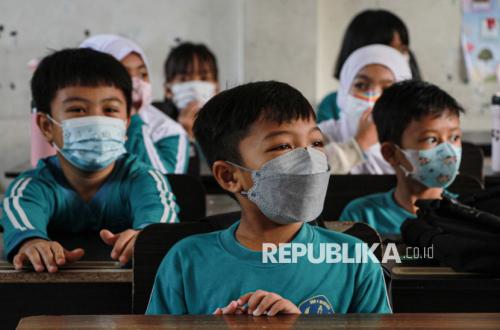
Forest and land fires (karhutla) are occurring in various regions of Indonesia. According to data from the Ministry of Health up to Friday (21/8/2026), karhutla has spread to 87 districts/cities in seven provinces: Jambi, Riau, South Sumatra, West Kalimantan, Central Kalimantan, South Kalimantan, and East Kalimantan. Of that number, around 3 million people in 37 districts/cities are directly exposed to the haze. This disaster also has the potential to disrupt public health in the affected areas.
Dr Nova Maryani, a specialist in anaesthesiology and intensive care therapy as well as a lecturer at UMY, said the impact of fire smoke depends greatly on the level and duration of exposure. Therefore, exposure to smoke for even a few days can trigger respiratory problems in healthy people.
“If exposed for more than two to three days, even healthy people can be affected. Smoke exposure can trigger irritation and symptoms of upper respiratory tract infection. In addition, if the smoke lasts for weeks, the impact will be even wider and trigger a surge in patients,” said Dr Nova in a written statement.
Nova explained that fire smoke contains very small particles. Besides fine particulates, the combustion process also produces various toxic gases. One of the most dangerous gases for the body is carbon monoxide (CO).
Carbon monoxide is very dangerous because it binds more easily to blood haemoglobin than oxygen. As a result, the amount of oxygen carried by the blood throughout the body is reduced. Thus, the impact of smoke not only attacks the lungs but can also disrupt the function of other vital organs.
The public is urged to seek medical attention immediately if they experience severe symptoms. These symptoms include worsening shortness of breath, coughing up blood, difficulty carrying out activities, and lips turning bluish.
For prevention, Nova reminded the public not to rely solely on the use of masks. This is because the size of smoke particles is so small that they can still be inhaled into the lungs.
“Therefore, protection needs to be complemented by reducing outdoor activities. In addition, close windows or ventilation when the smoke is thick, and use an air purifier with a HEPA filter if available,” said Nova.