
Doctor: Myth That Cervical Cancer Only Targets Married Women
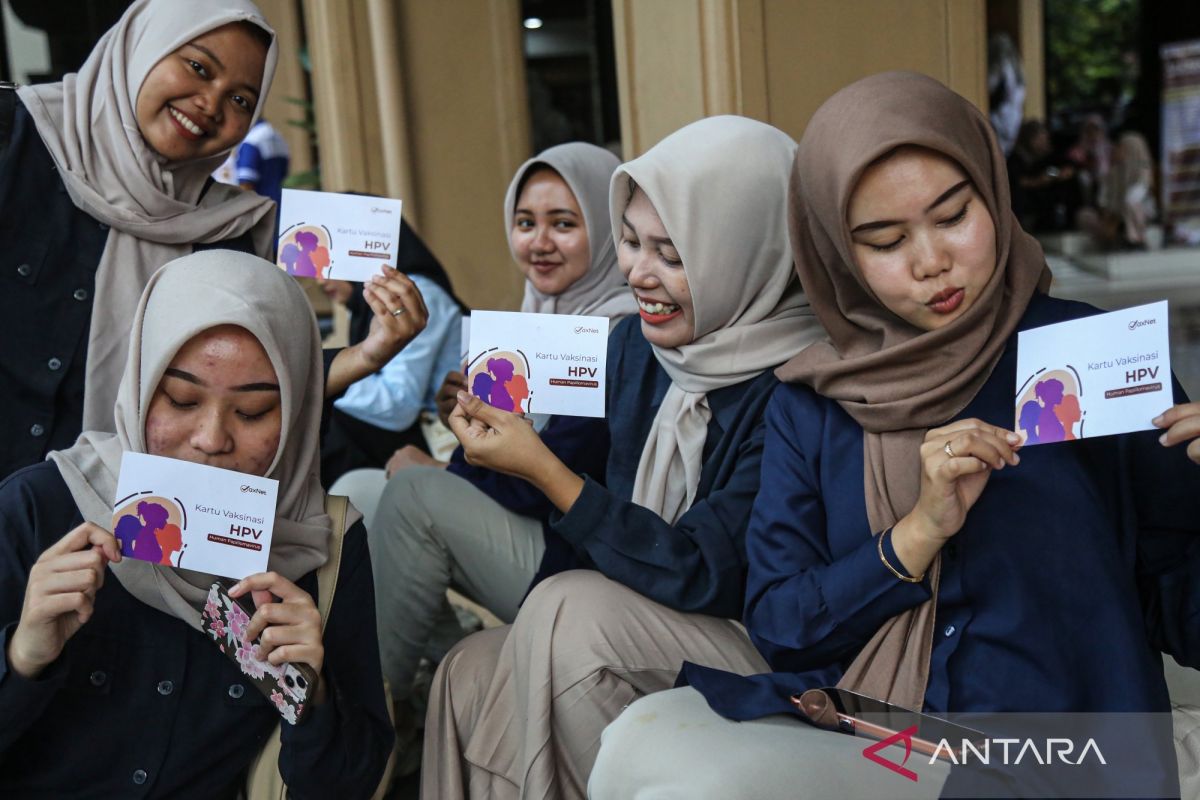
Jakarta (ANTARA) - Dr. I Gusti Ayu Nari Laksmi Dewi, SpB, Subsp.Onk (K), a surgical oncology sub-specialist, has stated that the notion that cervical cancer risk only affects women who are married or sexually active is a myth.
According to her, this belief is a myth because women who are not yet married still face a risk of cervical cancer, so early prevention remains necessary.
“Those who are not married still have a risk of developing (cervical cancer); they can still get it. Even if they are under 17 years old and have never been sexually active,” said I Gusti Ayu when met at the Kaiser Cancer Center, BSD City, Tangerang, on Thursday.
Cervical cancer is a cancer that arises in the lower part of the uterus (the cervix), which connects directly to the vagina. Its main cause is infection with HPV (Human Papillomavirus), a very common virus transmitted through sexual contact. However, all women can develop it, particularly those who have been sexually active, regardless of age.
She noted that the HPV vaccine does provide protection, especially when given to children under 17 years of age, with an effectiveness of around 95 per cent. Meanwhile, for women who are already married, it still provides benefits, although the level of protection decreases.
“So even if someone has already received the HPV vaccine, they should still have a pap smear if they are married,” said the doctor, a graduate of Airlangga University.
Furthermore, Gusti added that administering the vaccine especially to children aims to provide them with more optimal protection against the risk of cervical cancer.
“It is now part of the government programme, so primary school-age children are already receiving the HPV vaccine; its purpose is to gain maximum protection later in life,” said the doctor, who practises at Pasar Minggu Regional General Hospital.
This national programme targets children aged 11 and 12, with the vaccine administered in two doses. In addition, the government is targeting HPV vaccination coverage — for both girls and boys — to reach 90 per cent by 2030.
HPV vaccination is considered highly important and effective in reducing deaths from cervical cancer, a disease that places a heavy health burden on Indonesia, with around 36,000 new cases each year, almost 60 per cent of which end in death — equivalent to around 56 people every day.
Source: jawawa.id (https://jawawa.id/newsitem/doctor-myth-that-cervical-cancer-only-targets-married-women-1785419727)
Originally published by Antara (Indonesian) (https://www.antaranews.com/berita/5673056/dokter-mitos-mengira-kanker-serviks-hanya-mengincar-perempuan-menikah), translated from Indonesian