
Doctor Internships: A Buffer or Victims of the Health System?
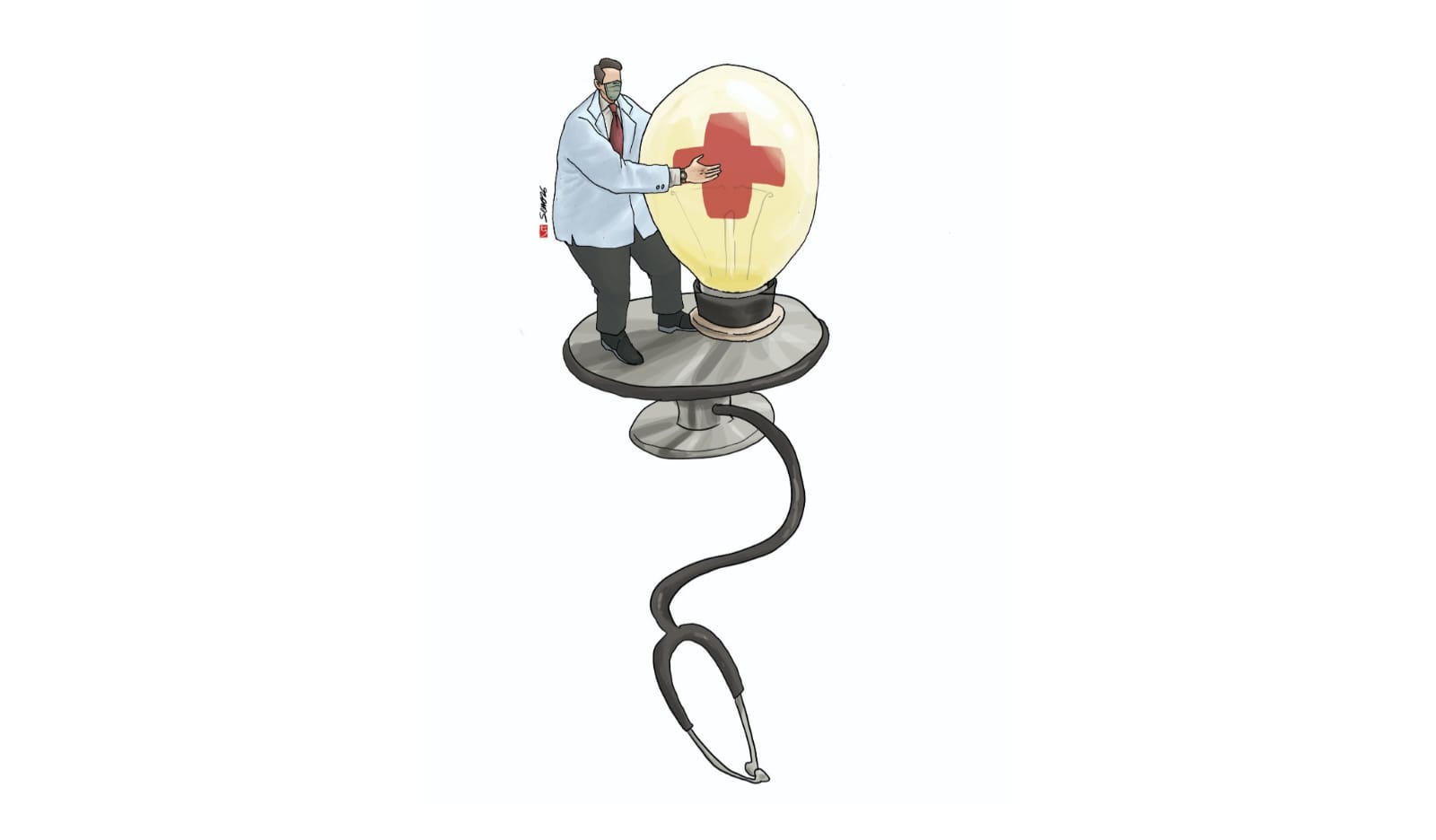
In less than five months, six intern doctors have died in Indonesia. The causes may vary, but the message is the same: their deaths must not be seen as merely unfortunate coincidences. In a mature health system, the death of healthcare workers is regarded as a sentinel event — an extremely rare occurrence that must trigger a thorough evaluation of the system.
Regrettably, in Indonesia such incidents are still often viewed as individual problems. We busy ourselves finding out what happened to the doctor, but rarely ask: what kind of system allowed that situation to occur?
On paper, Indonesia’s medical internship programme is designed to bridge the transition between medical education and independent practice. It is an apprenticeship model. Ideally, this period should be a safe learning environment where newly graduated doctors hone their clinical skills under good supervision. In practice, however, the internship programme often serves a different function. It has become a hidden ‘workforce prop’ for a health system short on resources.
YOUNG DOCTORS PLACED IN A CATCH-ALL, UNCLEAR POSITION
Young doctors are placed in a highly ambiguous position. They bear genuine clinical responsibility, work long shifts and treat real patients, yet receive no full protection as workers. Nor do they always receive adequate supervision as apprentices. They exist in a grey zone: expected to work like employees without being treated as workers; expected to learn like students without academic protection.
A healthy system must not be built on ambiguity. If intern doctors are apprentices, their supervision must be rigorous and structured. If they are workers, employment protections must be guaranteed. Sadly, the internship system has provided neither.
The culture within medical education makes matters worse. Exhaustion is still regarded as part of becoming a ‘true doctor’. An old belief persists that the greater the suffering endured, the more resilient the doctor formed. It sounds noble, but it is fundamentally mistaken. Exhaustion is not a symbol of dedication. Exhaustion is a threat to patient safety.
International research has repeatedly shown that burnout and sleep deprivation among doctors are associated with increased medical errors and deteriorating doctor health. Advanced countries limit young doctors’ working hours not out of a desire to pamper them, but because they understand a simple fact: an exhausted doctor endangers both themselves and their patients.
Yet in many Indonesian healthcare facilities, excessive workload is still considered normal. Young doctors keep working even when ill. Instead of questioning whether the system is right, society often praises such conditions as a form of devotion. Yet glorifying exhaustion does not make a system more humane.
Another reality is the uneven quality of internship placements. Not every hospital or healthcare facility has the capacity to be a good clinical teaching centre. Some lack supervising doctors. Others are overwhelmed by service burdens.
Under such conditions, the apprenticeship goal gradually gives way to operational demands. The internship risks shifting from a structured learning process to mere survival within an overstretched system. Young doctors are expected to adapt, absorb pressure and keep services running.
An exhausted doctor loses concentration more easily. A doctor under constant pressure can gradually lose empathy — not because they no longer care, but because their emotional capacity is depleted. Yet patients need doctors who are calm, focused and able to make clear-headed decisions.
MOMENTUM FOR REFORM
The problem most often overlooked is the culture of silence. Many young doctors have no safe mechanism to report unhealthy working conditions. Many problems are never recorded. The medical world still operates within a strong hierarchical culture, so complaining about working conditions is often seen as weakness.
High-risk industries such as aviation long ago understood the importance of anonymous reporting systems in building a safety culture. The health sector should have learnt from the same principle. Without a trusted reporting mechanism, a system will never learn from risks until tragedy finally strikes.
This also reflects the gap between regulation and its implementation. Indonesia in fact has a legal framework through the Health Law. Yet operational protection for intern doctors still varies greatly between regions and institutions.
In many countries, doctors are professionals and workers alike. They form organisations, negotiate and fight for humane working conditions without being accused of neglecting patients.
In Indonesia, by contrast, doctors are still often expected to be symbols of boundless sacrifice. Complaints about workload, welfare or working conditions are frequently seen as moral failure. Society wants doctors who are empathetic, patient and always focused, but often ignores the systemic conditions needed to sustain all of that. We expect doctors to work like machines while retaining the heart of an angel. Such a contradiction is hard to maintain.
The deaths of these young doctors should therefore become momentum for reforming the health system — not symbolic reform. The status of intern doctors must be clarified as part of a protected apprenticeship system. Working hours need to be monitored through a transparent national system. Teaching hospitals must meet stricter accreditation standards.
Safe reporting mechanisms must be established independently of institutional hierarchies. Clinical supervision must be regarded as a professional obligation, not merely an option.
A HEALTHY HEALTH SYSTEM
Most importantly, Indonesia must stop treating the welfare of healthcare workers as a second priority after patient care. The two are inseparable. The WHO has repeatedly stressed that patient safety begins with the safety of healthcare workers. A health system that fails to protect its doctors will ultimately fail to protect its patients.
Young doctors do not need to be hailed as heroes. They only need a system that treats them as human beings — people bearing extraordinary responsibility under extraordinary pressure. A healthy health system should not wait for its young doctors to fall one by one before finally listening.
MGBKI is holding the Ministry of Health responsible for the deaths of six intern doctors in the past five months and is urging an independent audit of PIDI’s governance.
Source: jawawa.id (https://jawawa.id/newsitem/doctor-internships-a-buffer-or-victims-of-the-health-system-1785365440)
Originally published by Media Indonesia (https://mediaindonesia.com/opini/916264/dokter-internship-penyangga-atau-korban-sistem-kesehatan), translated from Indonesian