
Doctor Icha Case Reflects Low Public Understanding of Emergency Room Triage System
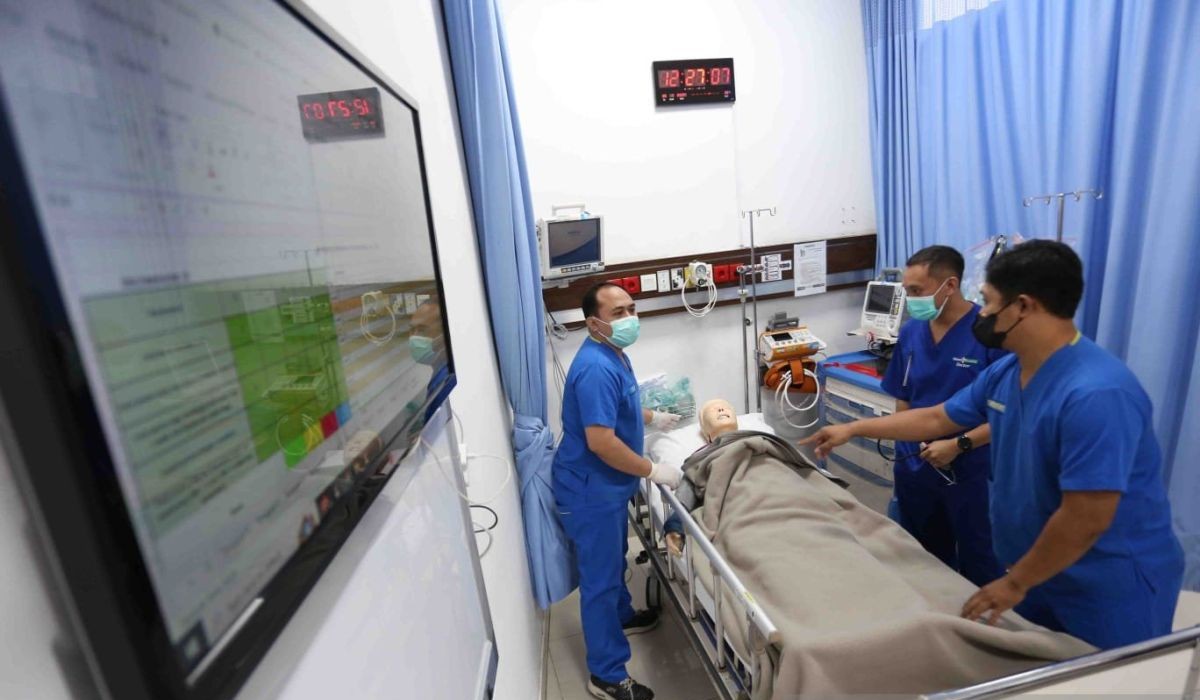
The death of Dr. Eliza Priscila Utami Pakaenoni, known as Dr. Icha, reflects a low level of public understanding of the triage system applied in Emergency Departments (IGD). This condition is considered to trigger misunderstandings between healthcare workers and the public, necessitating education as well as comprehensive reform of the healthcare service system.
Adib Khumaidi, a lecturer at the Faculty of Medicine and Health at the University of Muhammadiyah Jakarta, stated that conflicts in the Emergency Department often arise because the public assumes all patients must receive immediate treatment. In reality, doctors are required to determine priorities based on the severity of a patient’s condition through the triage system.
“Doctors are taught to determine which cases are truly life-threatening emergencies, which are serious but not immediately life-threatening, and which can still wait. Meanwhile, the public often views every patient arriving at the Emergency Department as being in an emergency condition. This difference in perception must be bridged through education,” Adib said in a statement on Thursday (2/7).
The former Chairperson of the Indonesian Medical Association (PB IDI) believes public attention to Dr. Icha’s case should not stop at the legal process alone. He argued the incident should be used as momentum to evaluate the healthcare service system more comprehensively.
“If we want to improve healthcare services, we must look at the system. The system that protects healthcare workers while they work, the education system, and the service system in hospitals,” he said.
Adib explained that discussions regarding human resources in health have so far focused heavily on the equitable distribution of doctors. However, the aspect of protection for healthcare workers while carrying out their profession is also an important part that requires attention.
“The right of healthcare workers to work safely, comfortably, and with protection must also be a concern. That is part of the system we must build,” he said.
The founder of the Indonesian Emergency Doctors Association (PDEI) also assessed that improvements must begin from the medical education process. Besides clinical competence, communication skills need to be continuously honed so that doctors can engage with communities from diverse cultural backgrounds.
“Indonesia is Bhinneka Tunggal Ika. A doctor might come from Java and then serve in Sumatra, East Nusa Tenggara, Papua, or other regions with different cultures. The ability to understand the community is just as important as clinical ability,” he said.
According to Adib, effective communication not only reduces the potential for misunderstandings between doctors and patients but also plays a role in building public trust in healthcare services.
He added that system improvements must also cover the readiness of healthcare facilities, the equitable distribution of emergency medicines, and the strengthening of security systems in hospitals so that healthcare workers can work more safely.
“The doctor’s task is to provide services. Doctors should not have to face pressures arising outside of medical services alone. Hospitals must also have a good security system so that healthcare workers can work safely and comfortably,” he explained.
Adib stressed that the tragedy that befell Dr. Icha serves as a reminder that healthcare services are the work of a system. Therefore, prevention efforts to ensure similar cases do not recur must be carried out through comprehensive systemic reform, not just focusing on individual healthcare workers.
“Healthcare services are the work of a system. The doctor is only one part of it. So, if we want to prevent the same problems from recurring, it is not just the people that need fixing, but the system,” he concluded.