
Do Not Underestimate the Impact of Fuel Price Hikes on the Middle Class
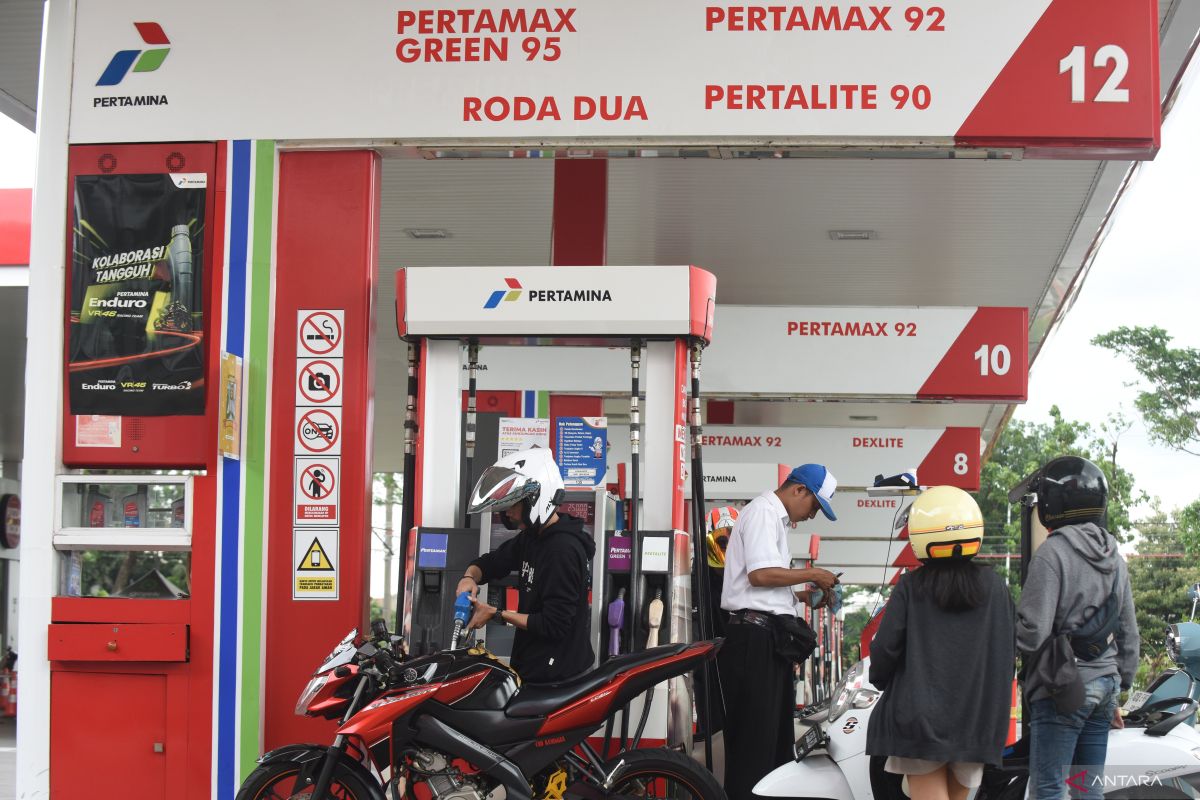
The Head of the Macroeconomics and Finance Centre at the Institute for Development of Economics and Finance (Indef), Rizal Taufikurrahman, stated that the increase in Pertamax fuel prices must be viewed as an adjustment to global conditions, particularly rising energy prices and the weakening of the rupiah exchange rate. “Although the direct contribution to inflation is expected to be limited because Pertamax is not the primary fuel for public transport and logistics, its impact on the purchasing power of the middle class cannot be considered small. This group is the dominant user of Pertamax and the main pillar of household consumption, which contributes more than 50% to Indonesia’s GDP,” Rizal said on Monday (15/6). Rizal added that the pressure on the middle class is currently cumulative. Besides facing non-subsidised fuel price increases, the public is also confronted with inflation still hovering around 3%, a BI Rate increase to 5.50% which pushes credit interest rates higher, and a weakening rupiah that raises the cost of various goods and services. Another risk the government must anticipate is a shift in consumption from Pertamax to Pertalite. If this migration occurs on a massive scale while the subsidised fuel quota is not increased, Rizal sees that pressure on the energy subsidy and compensation budget will rise, narrowing the government’s fiscal space. “In the long term, this condition could reduce the government’s capacity to finance more productive development and social protection programmes,” he said. Therefore, Rizal stated that maintaining the purchasing power of the middle class must be a government priority by strengthening formal job creation, maintaining food price stability, providing more targeted fiscal incentives for workers and MSMEs, and maintaining exchange rate and inflation stability. “This approach is more effective than simply holding down fuel prices, because what needs to be protected is the public’s ability to maintain their purchasing power amid rising living costs,” he added.