
Do Not Stop Striving: Contemplation on Surah Al-Insyirah Verses 7–8
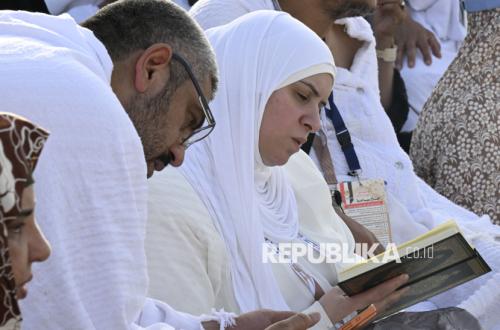
There are times when we think the completion of one matter means it is time to stop. After a task is finished, an exam passed, or a hope achieved, the heart easily feels it has arrived. Yet, as long as life is still granted by Allah, there is always other good that can be done, trusts that need to be fulfilled, and inner spaces that must be refilled with prayer. One job may end, but devotion does not. One difficulty may pass, but the journey is not over. Even after worldly efforts are completed, a person still needs a moment to humble themselves, turn to Allah, and realise that success is not born solely from the strength of their own hands. In the last two verses of Surah Al-Insyirah, Allah teaches a beautiful rhythm of life: after finishing, strive earnestly again; after making an effort, direct your hopes only to Him. This verse is not a call for people to push themselves without rest, but rather guidance so that free time does not turn into negligence and success does not give birth to arrogance. Fa iżā faragta fanṣab. Wa ilā rabbika fargab. ‘When you have finished a good deed, continue to strive earnestly in the next good deed. And to your Lord alone should you direct all hope.’ This translation flows from the official meaning of the Ministry of Religious Affairs: after a good deed is done, a person is asked to continue working hard in another good deed and to place hope only in Allah. Al-Insyirah is classified as a Makkiyah surah and consists of eight verses. The entire surah brings strength to the Prophet Muhammad (PBUH): Allah expanded his chest, lightened his burden, elevated his renown, and affirmed that with hardship comes ease. After this series of reassurances, the surah closes with direction on how to live life after a matter is completed. Ibnu Katsir explained that when a person has finished their worldly affairs and business, they are commanded to strengthen their resolve for worship. They rise to face Allah with full earnestness, pouring out their heart, purifying their intention, and hoping only in Him. This explanation is important because the verse ‘fa iżā faragta fanṣab’ is sometimes understood merely as a command to move from one worldly job to another. In fact, according to Ibnu Katsir’s description, the main direction is a shift from worldly busyness to earnest devotion to Allah. After working, trading, studying, preaching, caring for the family, or fulfilling social responsibilities, a person is not encouraged to fill their free time solely with negligence. When worldly activities subside, the heart needs to be returned to its source of strength: worship, prayer, and hope in Allah.