
Do Not Be Tempted by Cheap Sockets: Fire Risks Loom
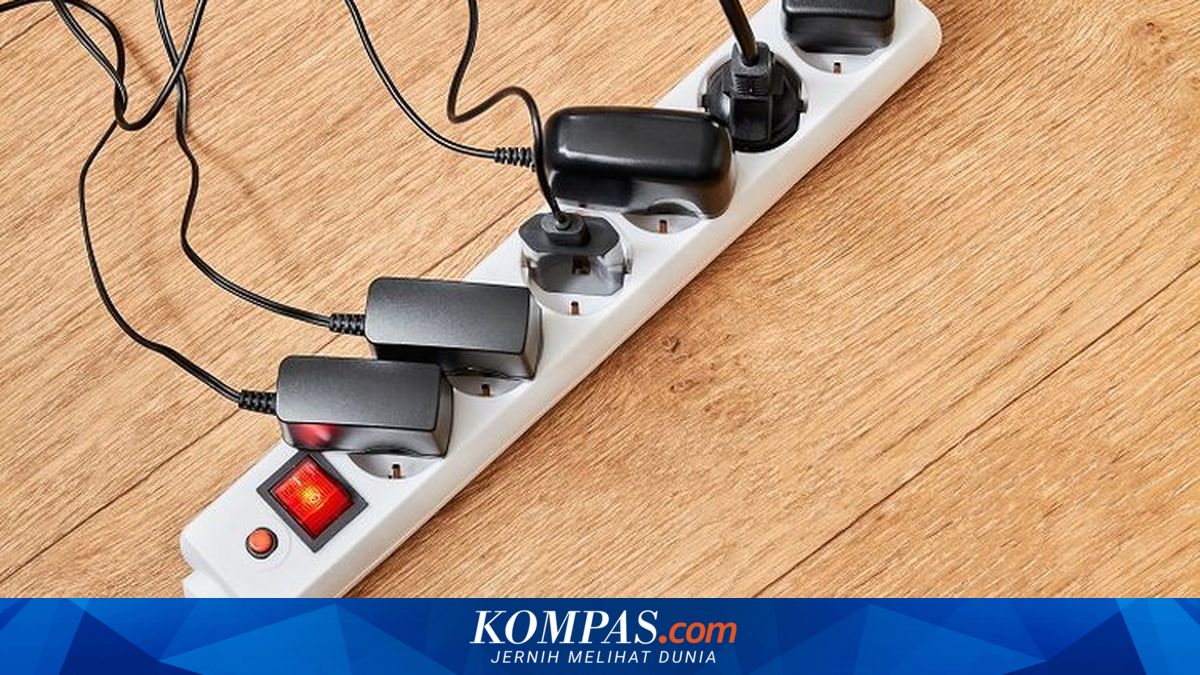
JAKARTA — The public frequently overlooks safety aspects when using domestic electrical installations. A common habit is selecting cheap sockets, plugs, and extension cables without considering quality or applicable safety standards.
Kevin Marojahan Banjar Nahor, a lecturer and researcher at the Electrical, Computer, and Informatics Engineering School of the Bandung Institute of Technology (ITB), stated that using low-quality electrical devices can increase the risk of overheating, short circuits, and fires. Furthermore, these products often utilise small-gauge wires, mixed materials instead of pure copper, and thin insulation that becomes brittle and melts easily during long-term use.
“Such products generally use small-sized cables (below 1.5 mm²), mixed materials (not pure copper), and thin insulation that quickly becomes brittle and melts easily. This combination increases the risk of overheating, short circuits, and ultimately, fire,” Kevin said when contacted on Thursday.
Beyond the use of low-quality devices, Kevin explained that many other mistakes are commonly made in household electrical installations. One such habit is overloading a single socket by stacking multiple plugs using extension terminals. This practice can cause an overload, triggering a temperature rise at the electrical connection points. The risk becomes even greater when several high-power appliances, such as irons, water dispensers, and rice cookers, are used simultaneously on a single extension lead.
Additionally, many people still frequently unplug devices by pulling the cable rather than the plug head. This habit can cause the connection between the cable and the plug to loosen, increasing the risk of electrical sparking. “This is very risky, especially with self-made extension cables, as loose connections can trigger electrical sparks,” he added.
Kevin also highlighted the practice of modifying electrical installations without adequate technical knowledge. Common examples include adding sockets without considering appropriate cable sizes, creating DIY extension cables using only adhesive tape, and replacing Miniature Circuit Breakers (MCBs) with higher capacities because protection devices frequently trip. Replacing an MCB with a higher rating without adjusting the cable size can reduce the protection’s sensitivity to short circuits, meaning cables may catch fire before the MCB cuts the power.
Another aspect requiring attention is ensuring sockets and switches are suitable for their installation locations. According to the expert, many houses use standard indoor sockets in areas vulnerable to water, such as kitchens, terraces, laundry areas, and bathrooms. These devices should be selected based on their IP (Ingress Protection) Rating, which indicates resistance to dust and water. Referring to the 2011 Indonesian National Electrical Installation Standard (PUIL), damp or water-prone areas require sockets with at least an IP44 rating.
“Ideally, bathroom light switches should be installed outside the bathroom door so they are entirely free from exposure to water, steam, and humidity,” Kevin concluded.