
Do Not Be Negligent in Facing Forest Fire Haze: Here Are the Mitigation Steps
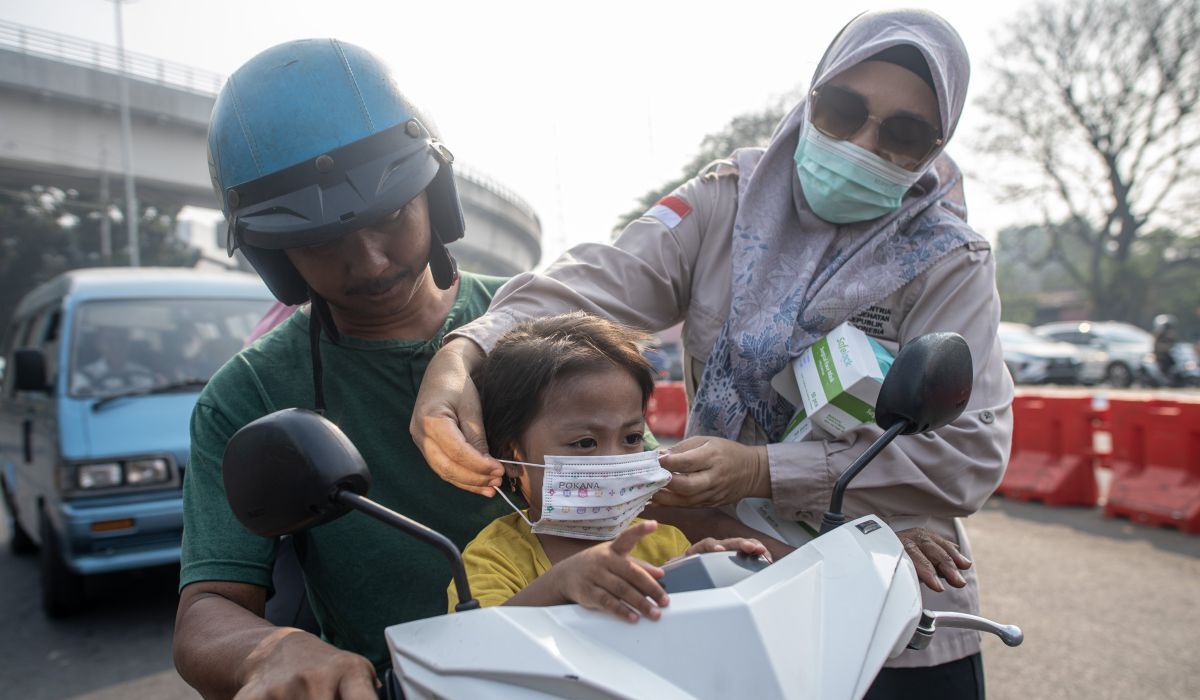
Forest and Land Fires (Karhutla) represent an annual challenge that often brings widespread impacts, particularly in the form of haze. Haze is not merely a visibility disturbance, but a serious threat to public health, economic activity, and ecosystem sustainability. Mature preparedness is the primary key to minimising the risk of exposure to dangerous pollutants such as PM2.5 contained within it.
Facing this phenomenon requires a proactive approach at the individual, family, and community levels. The following is a comprehensive guide regarding the preparedness steps that need to be taken before and during the occurrence of forest fire haze.
The first step in preparedness is the ability to read air quality data. The government typically uses the Air Pollution Standard Index (ISPU) or Air Quality Index (AQI) to provide early warnings to the public.
Do not wait for the haze to arrive before purchasing medical supplies. Ensure that the following stocks are available in your home:
When haze reaches unhealthy levels, the home must serve as the primary line of defence. Implement the following steps:
Physical preparedness is crucial in determining how much impact the smoke has on your body. Pay attention to the following:
Children, the elderly, pregnant women, and individuals with heart or lung diseases are the most at-risk groups. Preparedness for them includes:
Immediately contact the nearest health facility if you or a family member experiences severe shortness of breath, chest pain, or a persistent cough after exposure to smoke.
Repeated exposure to forest and land fire smoke not only disturbs respiration but also increases the risk of lung cancer due to micro-particles settling in the alveoli.