
Do not be lulled by records, rice production must be continuously safeguarded
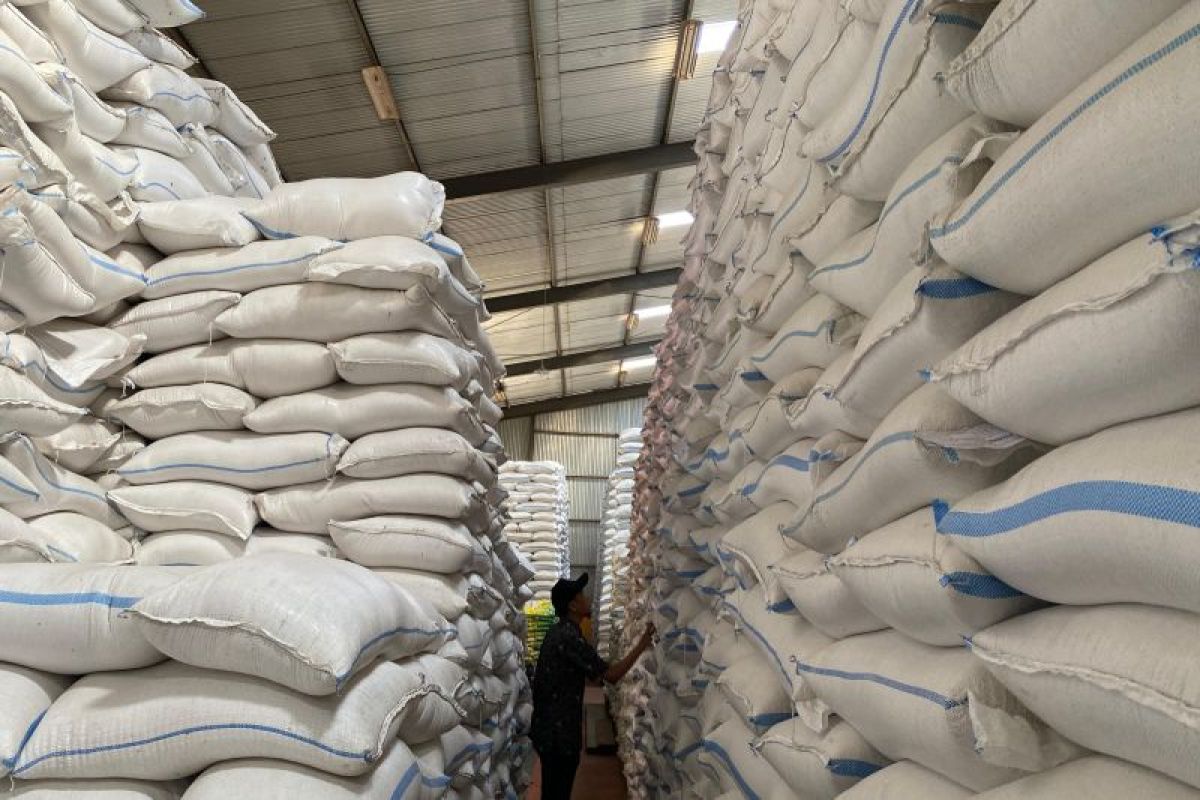
Food production is not merely a technical cultivation issue, but also a governance matter requiring collaboration among various parties. When Indonesia succeeded in building the Government Rice Reserve (CBP) to exceed five million tonnes, this achievement deserves gratitude as an important foundation on the journey towards stronger food security. The nation may even take pride in calling this a new record and the highest rice reserve since Indonesia’s independence. This is a fact of life whose truth cannot be denied. The government’s current rice reserve stock is truly very robust and not worrisome. But the nation must not be lulled into complacency and must continue to maintain this condition, always realising that behind every tonne of stored rice lies the hard work of millions of farmers, government policy support, inter-agency coordination, and logistics management that is far from simple. More than that, food reserves are a symbol of the state’s presence in guaranteeing the basic needs of its people. The Government Rice Reserve is a stock of rice and unhusked paddy controlled and managed by the government. Its management is delegated by the National Food Agency to Perum Bulog. The CBP serves strategic functions: maintaining national food supply stability, dampening price spikes, and acting as a cushion when the country faces emergencies, from natural disasters to food insecurity. The latest developments show encouraging results. As of June 2026, the volume of the Government Rice Reserve had reached approximately 5.3 million tonnes. Based on data cited from the Ministry of Agriculture, this amount is the highest record in the history of Bulog. Equally important, the stock increase came from a surge in domestic production harvested by Indonesian farmers. The government also confirmed that no consumption rice imports were made during this period. This achievement sends an important message that building food security is not impossible if national production can grow consistently. Amid various global challenges, from climate change and supply chain disruptions to geopolitical uncertainty, the ability to meet food needs from domestic sources becomes a highly valuable strategic asset. However, it is precisely when success is achieved that caution must be strengthened. History shows that many great successes begin to weaken when satisfaction replaces the spirit of continuous improvement. Sustainable production.