
Do Mosquitoes Prefer Type O Blood? IPB Expert Reveals the Facts
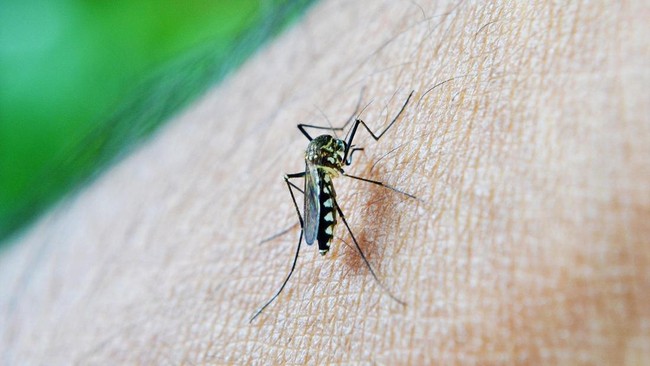
The belief that type O blood is preferred by mosquitoes is widely held among Indonesians, but an expert has provided the scientific explanation behind it, while noting that other blood types are not exempt from bites. Professor Upik Kesumawati, a senior lecturer at the School of Veterinary Medicine and Biomedical Sciences (SKHB) at IPB University, explained that a 2004 study in Japan found people with type O blood produce more volatile compounds, such as lactic acid and carbon dioxide (CO2), compared to those with type A blood, making them easier for mosquitoes to detect. She stressed, however, that everyone remains at risk of being bitten. “Anyone can have their blood sucked, it is just that there is a tendency for type O blood to be preferred,” Upik stated, as quoted from an official release on the IPB website on Tuesday (23/6/2026).
Upik further explained that not all mosquitoes suck blood. Blood is only required by female mosquitoes for reproduction and egg maturation, not as their primary food source. Male mosquitoes obtain energy from plant fluids and flower nectar. “The blood sucked by mosquitoes is needed for reproduction, not as their main food,” she clarified.
Beyond blood type, clothing colour also influences mosquito attraction. According to Upik, dark-coloured clothing tends to absorb heat, making the body warmer and more attractive to mosquitoes. “Mosquitoes like warm and humid conditions. That is why people wearing dark clothing are more frequently approached by mosquitoes,” she said. She also dispelled the myth that mosquitoes can transmit HIV/AIDS, noting that although mosquitoes can ingest the blood of HIV sufferers, the virus does not develop inside the mosquito’s body and dies within a short time, meaning it cannot be transmitted back to humans. To prevent mosquito bites, Professor Upik urged the public to implement the 3M Plus programme by draining, covering, and recycling items that could become mosquito breeding sites, and recommended the use of mosquito repellent lotion, covered clothing, and bed nets.