
Do IPDN Graduates Automatically Become Civil Servants? Here's the Explanation
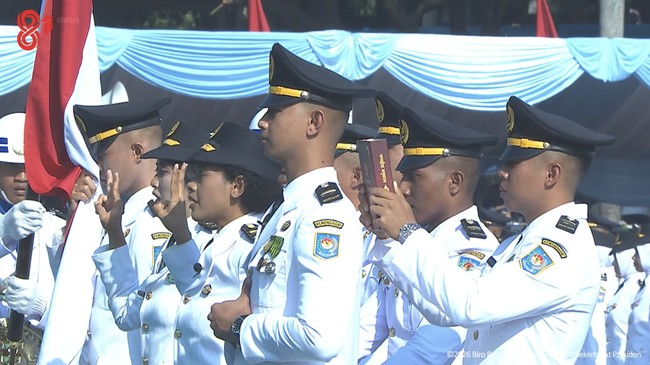
President Prabowo Subianto inaugurated 1,204 Young Public Administrators from the 33rd cohort of the Institute of Public Administration (IPDN) for the 2026 academic year. The ceremony took place at the IPDN Parade Ground, Jatinangor Campus, Sumedang Regency, West Java, on Wednesday (29/7/2026). The event culminated with the President reading the inauguration statement, followed by the pinning of rank insignia on three representatives of the Young Public Administrators. The President advised the graduates to always prioritise the people’s interests in every decision they make during their duties. “If in doubt, side with your people. If you are hesitant in making a decision, ask yourself which option benefits the people,” the President stated.
Also present at the event, Minister of Home Affairs Tito Karnavian emphasised that IPDN graduates are national civil servants (ASN) ready to serve across all regions of Indonesia, not just in their home areas. This statement was made in response to many regional heads requesting that their local sons and daughters be returned to their respective regions. “Many regional heads ask for their children to be returned to their own regions. However, it is better that they are ready to serve anywhere. They are Indonesian ASN, not regional ASN,” Tito said.
This statement also clarifies the status of IPDN graduates. Based on the Minister of Home Affairs Regulation Number 13 of 2023, an IPDN graduate is directly appointed as a Candidate Civil Servant (CPNS) upon graduation. They can be placed in either regional or central government agencies. However, the appointment process for IPDN graduates must still go through the stages and requirements set by their respective placement agencies. This means graduates do not automatically obtain full Civil Servant (PNS) status without fulfilling the applicable provisions. Furthermore, IPDN graduates who have been appointed as CPNS are required to undergo a five-year service bond. This provision is effective from the issuance of the letter of assignment at the central or regional agency where they are placed, as stated in the service bond agreement letter. However, IPDN graduates may still continue their education during the service bond period, as stipulated in Article 34 of the Home Affairs Ministerial Regulation. The regulation also explains that CPNS or PNS graduates of IPDN who apply for a transfer, resign on their own accord, or commit a serious disciplinary violation before the service bond period ends are obliged to pay compensation covering the costs of their education.