
DKI to Tighten Official Travel Permits for Civil Servants
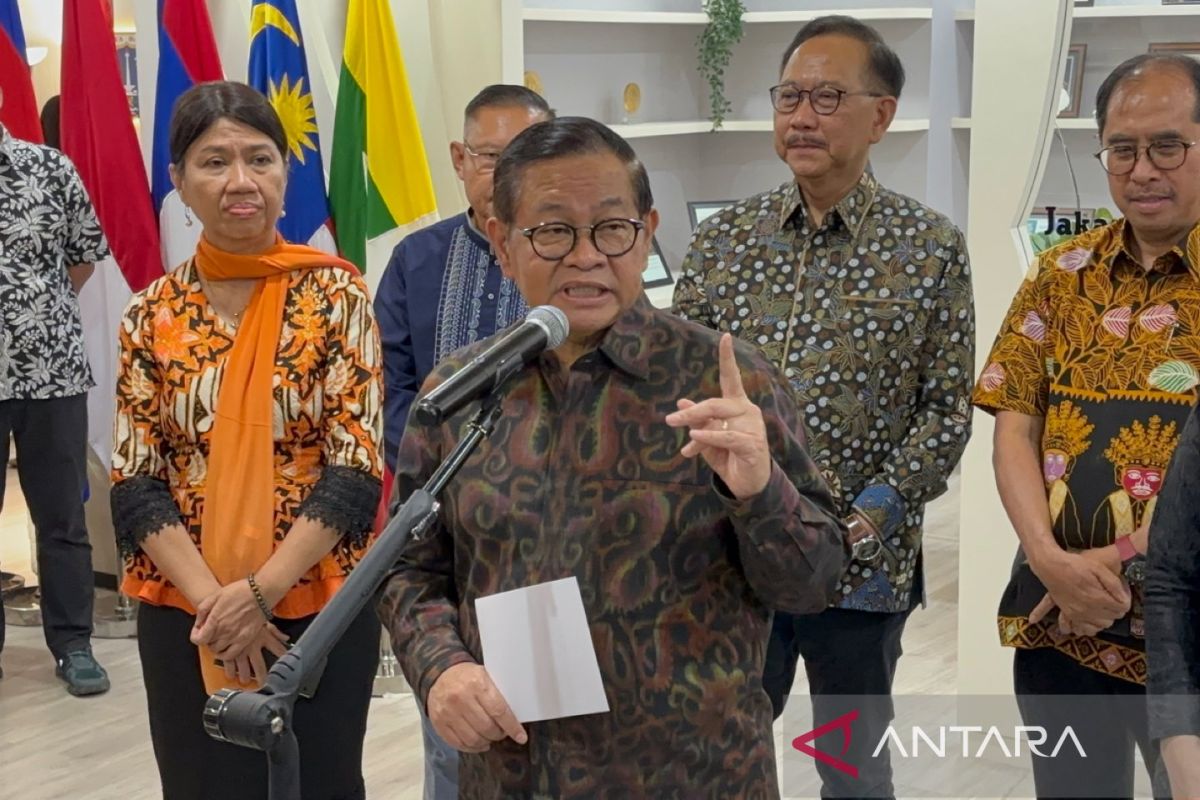
Jakarta (ANTARA) - The Jakarta Provincial Government (Pemprov DKI Jakarta) will tighten official travel permits for civil servants (ASN) within its administration. Jakarta Governor Pramono Anung Wibowo emphasised that every official trip will undergo rigorous scrutiny and will only be approved if it truly benefits Jakarta. “Conveniently, those requiring direct approval from the governor will be reviewed by me one by one. If it does not benefit Jakarta, I will definitely not permit it,” Pramono stated at Jakarta City Hall on Thursday. This approach is already being implemented, with many official trips being rejected. The policy forms part of efforts to achieve budget efficiency within the Pemprov DKI Jakarta. “Even now, almost all trips, including those by regional-owned enterprises (BUMD) and others, are being denied by us,” Pramono added. Previously, Interior Minister Tito Karnavian urged regional heads to reduce official travel, both domestic and international. “Limit/reduce domestic official travel by 50 percent and overseas official travel by 70 percent, and/or reduce the frequency and the size of delegations undertaking official travel,” the regulation states. This circular is a follow-up to the government’s policy of implementing work-from-home (WFH) for civil servants (ASN) in local government scopes. Additionally, regional heads are asked to limit/reduce the use of official service vehicles by a maximum of 50 percent. “And it is recommended to use electric vehicles, public transport, bicycles, and other non-fossil fuel-based transport options,” it continues. In the same circular, Tito also urged regional heads to prioritise hybrid or online formats for meetings, technical guidance, seminars, conferences, and similar activities. Furthermore, regional heads are instructed to assign Heads of Regional Devices to oversee and control the implementation of cultural transformation in the workplace to achieve energy efficiency, particularly during WFH.